Multiple complaints have reportedly been filed in Goa naming “Chelsea Rodrigues” in connection with online remarks alleged to insult the Shri Lairai Devi ritual. The episode has ignited a wider civic conversation about cultural reverence, digital speech norms, and the boundaries of critique in a plural society, drawing attention to religious harmony, community cohesion, and the responsibilities that accompany online influence.
Shri Lairai Devi is venerated in Shirgao (Shirgaum), Bicholim taluka, Goa. The annual Lairai Jatra is among the state’s most cherished Hindu rituals, drawing devotees from across Goa and the Goan diaspora. Beyond devotion, the festival serves as living cultural heritageknitting together memory, identity, and intergenerational continuity around a Hindu temple that anchors village life.
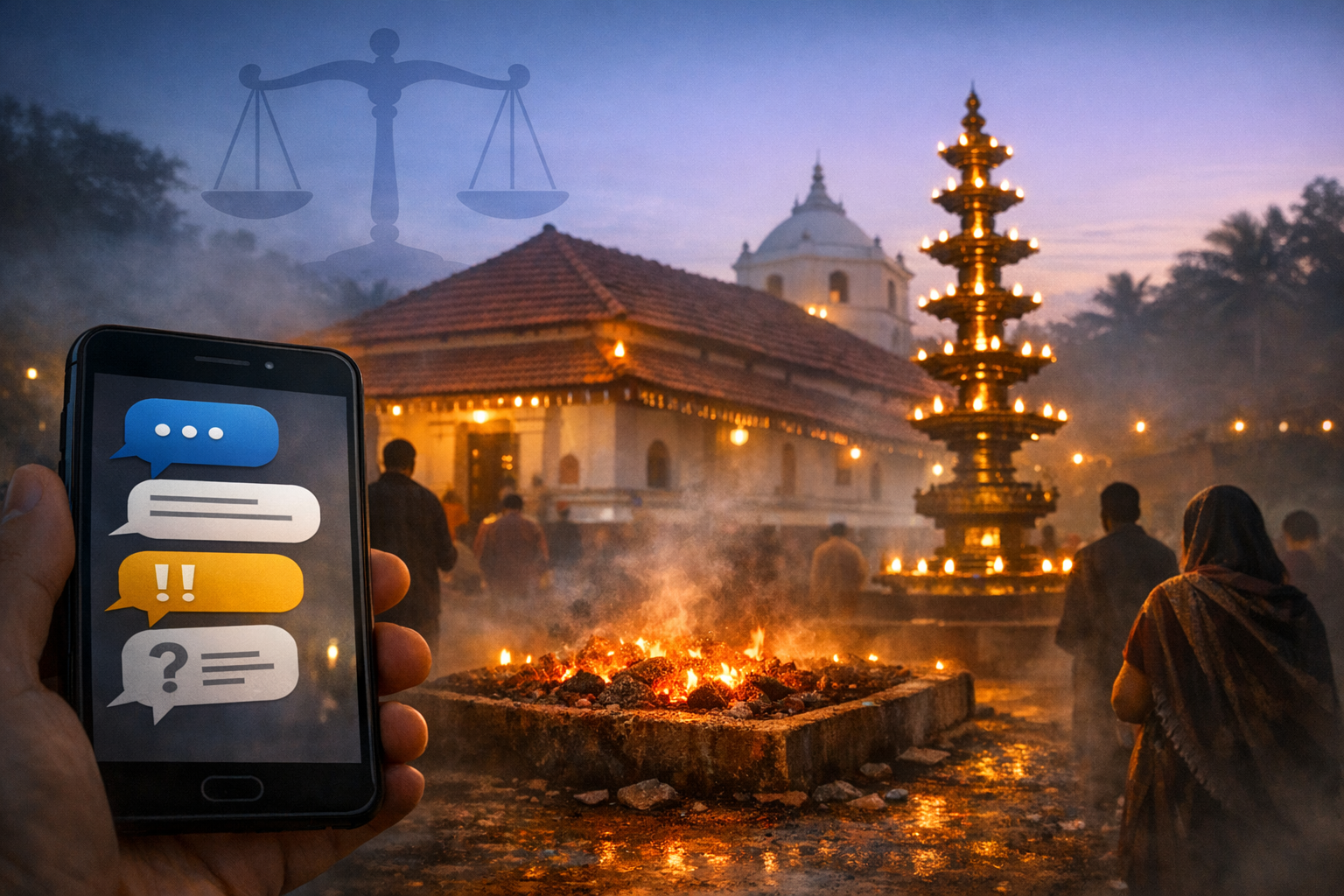
Central to the Jatra is a nocturnal vow-based practice involving “dhond” devotees and a ceremonial “homkunda” of embers, culminating at dawn. Community elders frame the observance in terms of tapasya (austerity), discipline, and seva rather than spectacle, noting that the ritual’s affective core is humility before the Divine and solidarity among participants and onlookers. For many families, the vigil itself is a rite of passage that deepens attachment to place and tradition.
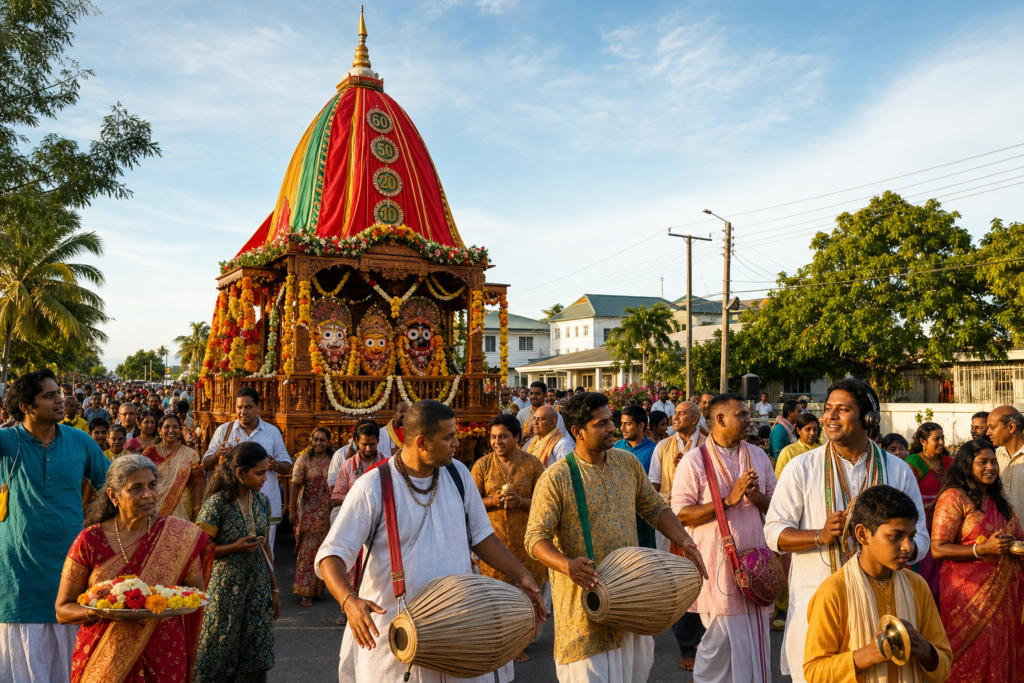
Over generations, the Jatra has functioned as a bridge between agrarian cycles, village identity, and social cohesion. Residents frequently describe the festival as a time when neighbors, extended families, and the wider community reconnect around music, processions, and temple rites. This shared participation reinforces cultural heritage while allowing visitors to learn respectfully about local customs rooted in Hindu rituals.
Against this backdrop, complaints alleging insult to the ritual have raised concerns among devotees who view such remarks as an affront to faith and to Goa’s intangible cultural heritage. At the same time, due process and measured discourse remain essential; as of this writing, there has been no judicial determination of wrongdoing, and the presumption of innocence applies to all named parties. The situation thus calls for both cultural sensitivity and procedural rigor.
India’s legal framework seeks to balance free expression with protection for religious sentiments. Section 295A of the Indian Penal Code (IPC) penalizes “deliberate and malicious acts intended to outrage religious feelings.” Sections 153A and 505 address the promotion of enmity and statements likely to disturb public order. In the digital context, the Information Technology Act, 2000 and the Information Technology (Intermediary Guidelines and Digital Media Ethics Code) Rules, 2021 outline duties for intermediaries and publishers regarding notice, takedown, and grievance redressal.
Court rulings have clarified that the threshold under Section 295A is high, requiring intentional and malicious insult; robust critique, academic analysis, or inadvertent offense ordinarily does not meet this standard. Simultaneously, constitutional jurisprudence recognizes that public order and communal harmony are legitimate grounds for reasonable restrictions on speech under Article 19(2). The operative legal tests focus on intent, context, likely effect, and the line between critique and contempt.
Procedurally, a police complaint may lead to registration of a First Information Report (FIR) if the ingredients of a cognizable offense appear satisfied. Typical steps include preservation of the impugned content, recording statements, and evidentiary assessment. Depending on findings, outcomes range from case closure to voluntary apology-and-removal of content to prosecution. Throughout, judicial oversight and prosecutorial scrutiny serve as guardrails for fairness and proportionality.
In a hyper-networked media environment, remarks about sacred practices can scale virally, collapsing context and audience expectations. Ethical communicationespecially by creators and influencersbenefits from cultural literacy, accurate description of rituals, and avoidance of demeaning language. Practical steps include consulting local community representatives, adding clarifying context, and signaling an intent to inform rather than mock. These measures often prevent escalation and protect both cultural heritage and freedom of expression.
Dharmic traditionsHinduism, Buddhism, Jainism, and Sikhismshare a civilizational ethos that values compassion, non-harm, and dignified dialogue. Moments of tension are opportunities to reaffirm that shared inheritance: differences can be explored without derision, and concerns can be heard without fueling polarization. Reframing debate around empathy and learning aligns with the dharmic commitment to social harmony and mutual respect.
In Goa, the Lairai Jatra has often served as a cultural bridge. Visitors encounter the temple’s hospitality, music, and processions; many come not only to worship but also to learn about the ritual’s history and symbolism. Devotees commonly recount memories of elders guiding them through the night-long vigil, underscoring that the heart of the observance lies in reverence and restraint, not sensational display.
Responsible reportage and platform governance can lower social temperature. Journalistic standardsverification, contextualization, and avoidance of incendiary headlinesare as vital as intermediary practices such as timely review of flagged posts and visibility reduction for content likely to incite hostility. Together, these professional norms protect free expression while fostering religious harmony and community cohesion.
Constructive pathways to resolution include facilitated dialogue between concerned devotees and the named individual, clear explanation of the ritual’s significance, and voluntary correction or withdrawal of offending content where appropriate. Public education initiatives highlighting Goa’s temple heritage, along with cultural orientation resources for creators, can help ensure that future commentary is informed, respectful, and balanced.
Citizens who feel aggrieved can document content carefully, avoid unlawful threats or doxxing, and pursue redress through lawful channels. Equally, those defending expressive freedoms can advocate for proportionate responses and emphasize that critique framed with respect is integral to a democratic society. Both commitmentsreverence and reasonare necessary to sustain social trust.
As complaints naming “Chelsea Rodrigues” proceed through established legal processes, the broader civic task is clear: protect Goa’s cultural heritage at Shri Lairai Devi’s temple, uphold constitutional guarantees of speech and belief, and cultivate the dharmic reflex of dialogue over derision. That equilibriumfirm on principles, gentle in methodoffers the surest path to religious harmony and public order.
Inspired by this post on Hindu Jagruti Samiti.