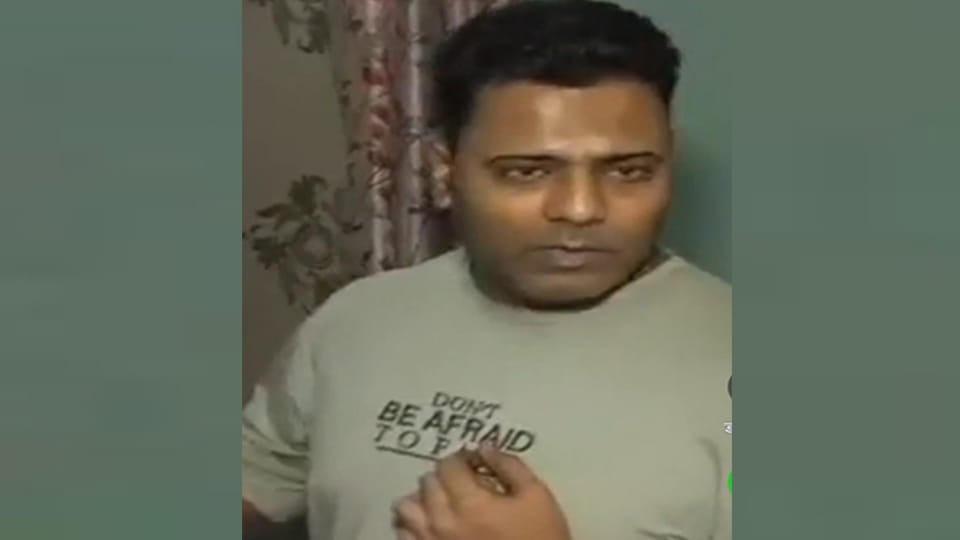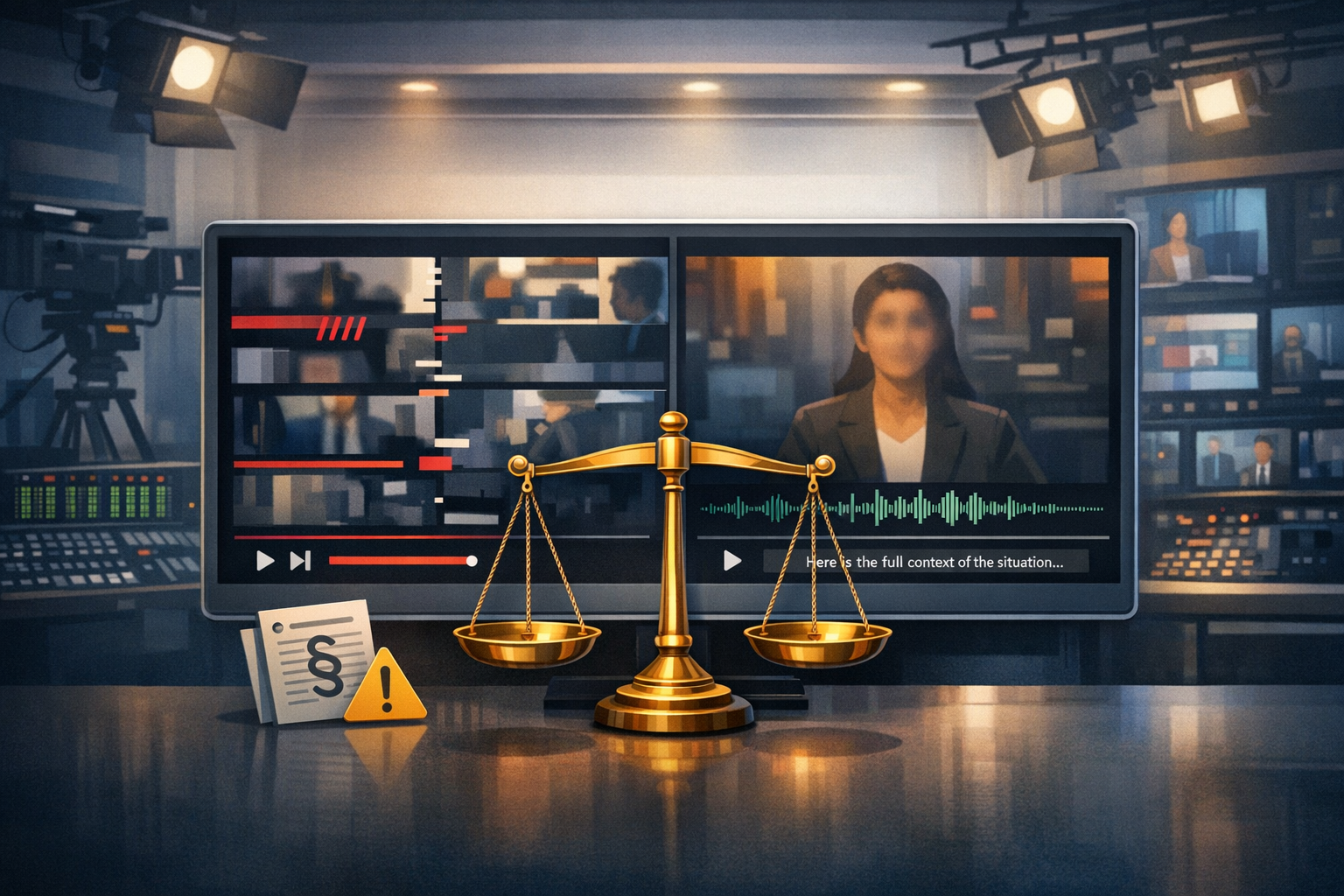
Hindu Janajagruti Samiti (HJS) spokesperson Dr Manoj Solanki has issued a legal warning to ‘Gomantak TV’ for allegedly distorting his remarks on the Varna system during a televised panel, asserting that a 27-second clip was selectively edited in a manner likely to inflame social tensions. The demand is clear and narrow: air the full, unedited debate or publish a verbatim transcript so that the public can evaluate the discussion in context. At stake is not only reputational harm but also the broader social imperative of accurate, responsible broadcasting in a multi-faith, multi-dharmic society.
The core allegation centers on “context collapse,” a well-documented media phenomenon in which a short, decontextualized extract misrepresents a longer, nuanced exchange. When applied to sensitive subjectsparticularly the Varna system, which attracts strong opinions and requires careful framingsuch snippets can create the appearance of endorsement, extremity, or animus that a full recording might contradict or significantly temper. In environments where public trust is fragile and discourse is polarized, selectively edited soundbites can catalyze misunderstanding and escalate community tensions.
From a legal perspective, the threatened action sits squarely within India’s defamation framework. Criminal defamation under Sections 499 and 500 of the Indian Penal Code penalizes imputations that harm reputation, while civil defamation allows suits in tort for damages and injunctive relief. Jurisprudence also recognizes defenses such as truth (when in the public good), fair comment, and qualified privilege, underscoring why the full, unedited broadcastor at minimum a complete transcriptmatters. Context supplies the evidence base for accuracy, fairness, and the plausibility of defenses; without it, both accountability and exoneration are harder to establish.
Broadcast standards likewise emphasize accuracy and responsibility. The Programme Code under the Cable Television Networks (Regulation) Act, 1995 prohibits content likely to incite communal disharmony, and industry self-regulatory bodies, including the News Broadcasting and Digital Standards Authority (NBDSA), lay out principles of fairness, impartiality, and the right of reply. Where editorial choices risk misrepresentation, corrective steps can include airing clarifications, publishing full-length footage, or providing clear editorial notes that distinguish opinion, paraphrase, and direct quotation.
Digital dissemination compounds the problem. Short-form clips are optimized for virality, not nuance; they travel detached from the original program’s chronology and caveats. Under prevailing norms and the broader spirit of India’s information rules, publishers carry a duty of diligenceparticularly when handling content related to religion, caste, or identityto prevent amplification of misleading narratives. A robust corrective practice involves rapid release of full videos, time-stamped transcripts, and, where appropriate, post-publication editor’s notes that document what changed and why.
The editorial ethics of selective editing are clear in professional codes: avoid misquotation, identify ellipses, and ensure that cuts do not alter the substantive meaning of a speaker’s position. Best practices for high-stakes debates include: (a) simultaneous publication of the complete recording; (b) provision of verbatim transcripts with timecodes; (c) clear labeling of highlight reels as excerpts; and (d) rapid, visible corrections when excerpts cause confusion. These safeguards help preserve journalism integrity, reduce disinformation, and sustain public trust in newsrooms’ competence and fairness.
Clarifying the intellectual landscape is equally important. In classical texts, discussions of Varna often relate to functions, dispositions, and duties, while later historical developments intertwined these ideas with complex social practices and regional realities. Scholarly engagement typically distinguishes between philosophical ideals and on-the-ground institutions, and surveys a wide array of dharmic perspectives. Buddhist, Jain, Sikh, and numerous Hindu sampradayas advance ethical frameworks that prioritize compassion, self-discipline, and social responsibility; across these traditions, debate is expected to be rigorous yet respectful. Framing conversations about Varna with scholarly precision and civility aligns with this shared ethos and supports unity among dharmic paths.
When public discourse involves foundational concepts across Hinduism, Buddhism, Jainism, and Sikhism, responsible journalism plays a critical role in sustaining social harmony. Nuanced coverage helps audiences distinguish between philosophical exploration and political polemic, preventing stereotype formation and communal anxieties. Conversely, sensational soundbites can overshadow substantive arguments, erode cross-community goodwill, and fuel narratives of grievance. The editorial obligation is therefore both ethical and civic: to inform without inflaming, and to center accuracy over virality.
In this matter, the most constructive path forward is procedural transparency. Publishing the full debate or the raw, unedited feed allows independent evaluation of tone, sequence, and emphasis. A verbatim transcript provides an accessible record for scholars, regulators, and viewers to analyze claims about distortion. If necessary, an independent ombudsperson review can assess whether the editing choices materially altered meaning or risked public incitement, and recommend appropriate remediesranging from corrections to on-air clarifications.
Media literacy also matters. Viewers can protect themselves from misrepresentation by cross-checking short clips with original sources, scanning for visible jump cuts, noting whether quotation marks are used properly, and verifying whether a channel has posted the full program. When doubt persists, formal complaints can be lodged with self-regulatory bodies or, where applicable, relevant authorities, always maintaining civility and a commitment to dialogue. Such habits not only reduce the spread of distorted narratives but also encourage newsrooms to uphold higher standards.
For broadcasters, preventive systems are essential. Practical steps include: pre-publication legal and editorial reviews for sensitive topics; standardized context notes for excerpts; internal policies requiring simultaneous release of full footage; and transparent correction protocols. Metricssuch as correction speed, the ratio of full-length to excerpt content, and audience satisfactionhelp track newsroom performance. Over time, these operational measures reinforce a culture of fairness, safeguard against inadvertent harm, and elevate journalism ethics across the industry.
Pending verification or adjudication, the allegation remains just thatan allegation. Yet the broader principles are not in dispute: accuracy, context, and accountability define credible journalism; transparency reduces reputational risk and social friction; and respectful, well-sourced debate about complex philosophical topics sustains unity among dharmic traditions. Ensuring that viewers can hear complete arguments, rather than fragments, strengthens public reasoning and fortifies social harmony. In this spirit, airing the unedited debateor releasing a faithful transcriptwould be a responsible, timely step toward clarity and trust.
Inspired by this post on Hindu Jagruti Samiti.