The Mahabharata often functions as a mirror of collective memory, illuminating not only dharma but also the biases that shape remembrance. Within this vast epic, Abhimanyu’s martyrdom is widely commemorated, while VrishasenaKarna’s accomplished sonremains comparatively obscured. A balanced reading of the Kurukshetra War invites renewed attention to Vrishasena’s valor, restoring proportion to the narrative of youthful heroism on both sides.
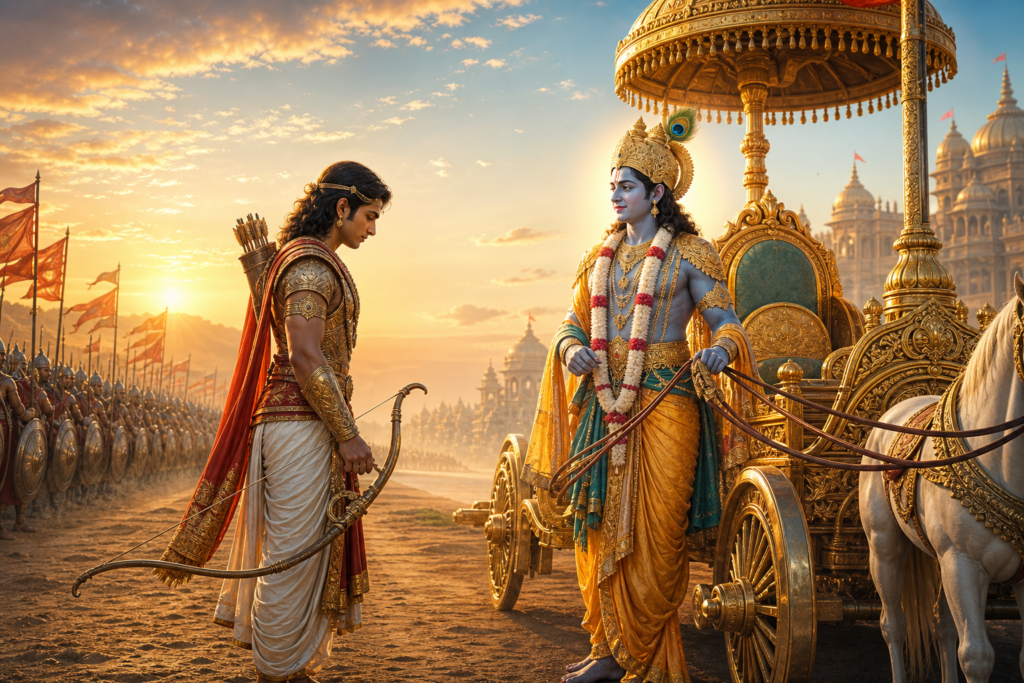
Vrishasena, the eldest son of Karna, emerges in the war chronicles as a disciplined archer molded by kshatra-dharma. Sources across Bhishma Parva, Drona Parva, and Karna Parva note his tenacity in battle formations, steadfast defense of allied positions, and repeated engagements with seasoned Pandava warriors. Though the epic’s manuscript traditions vary in detail, the broad portrait is consistent: Vrishasena fought with skill, restraint, and adherence to the martial codes expected in dharma-yuddha.
By contrast, Abhimanyu’s entry into the Chakravyuha has acquired iconic status due to its poignant narrative arcyouthful brilliance, isolation within a lethal formation, and a tragic end. The prominence of this episode does not diminish other acts of courage; rather, it reveals how narrative framing and pedagogical retelling elevate certain moments. Both Abhimanyu and Vrishasena represent exemplary kshatracommitment to duty under extreme pressureyet only one is anchored in popular memory.
The asymmetry is instructive. Over centuries, regional performances, classroom summaries, and family retellings have tended toward Pandava-centric perspectives, shaping cultural memory. This selective emphasis reflects the dynamics of storytelling: climactic pathos often eclipses steady excellence. Recognizing Vrishasena’s contributions does not contest Abhimanyu’s legacy; it refines understanding of the Mahabharata’s plural voices and restores nuance to the ethics of remembrance.
On the seventeenth day of the Kurukshetra War, Arjuna is recorded as having slain Vrishasena before the climactic confrontation with Karna. The episode, terse yet powerful, underscores the epic’s layered tragedy: a son falls in the shadow of an inevitable duel, while both sides persist in a duty-bound struggle. Seen through the lens of dharma, the moment is less a spectacle of defeat and more a testament to the gravity of kshatra-dharmaduty pursued with clarity amid irreversible loss.
Re-centering Vrishasena offers a wider ethical horizon. It invites readers to honor valor wherever it appearsKaurava or Pandavathereby cultivating an integrative moral vision. Such balance coheres with the shared values across dharmic traditions in Hinduism, Buddhism, Jainism, and Sikhism: courage tempered by compassion, discipline guided by conscience, and remembrance practiced with fairness. Unity in these principles deepens respect for diverse paths while upholding a common dharmic ethos.
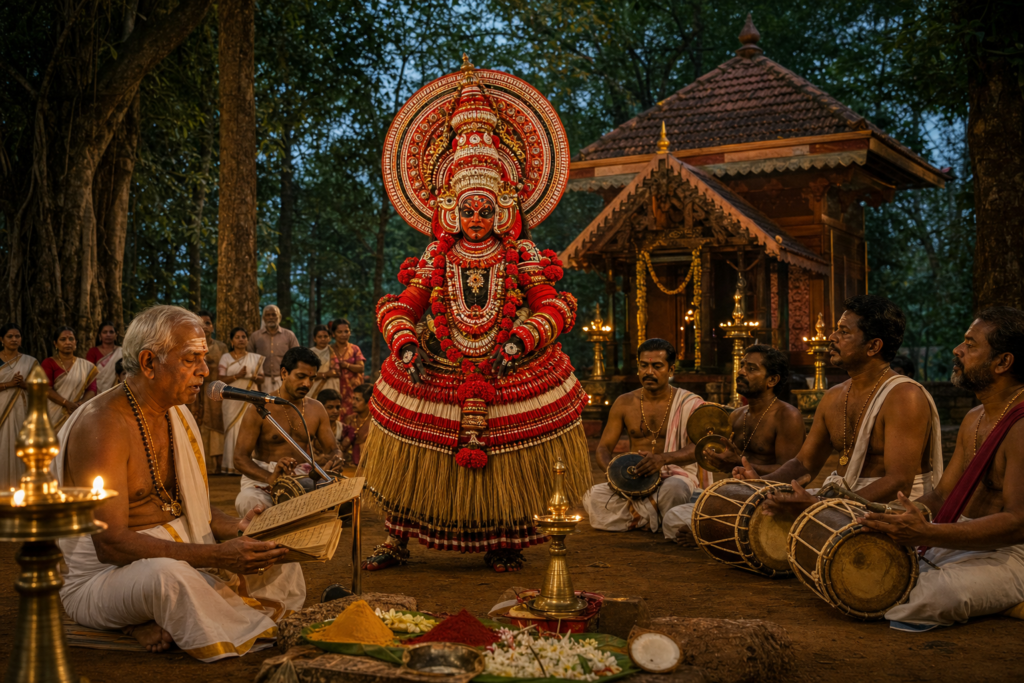
For many readers encountering the Mahabharata in school lessons, kathas, or classical dance and theatre, Abhimanyu’s name arrives readily to the lips, while Vrishasena’s requires deliberate recall. This everyday experience mirrors a broader cultural tendency. Educators, storytellers, and enthusiasts can rebalance the discourseby including Vrishasena in lesson plans, festival talks, and study circlesso that collective memory honors courage without partisanship.
Remembering Vrishasena alongside Abhimanyu enriches historical insight and moral reflection. It restores depth to Mahabharata studies, supports equitable representation of heroic figures, and aligns remembrance with the inclusive spirit of dharma. In acknowledging both warriors, cultural heritage gains not another rivalry, but a fuller truth.
Inspired by this post on Hindu Blog.