
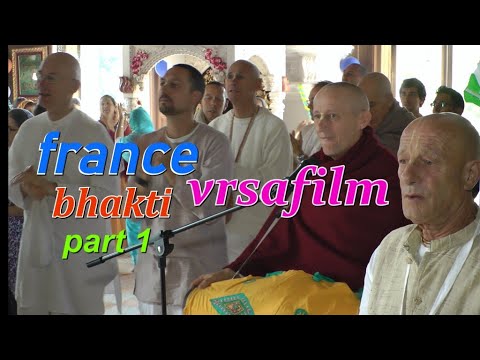
A concise documentary returns to New Mayapur in France, distilling a longer film into a focused meditation on place, memory, and practice. The shorter format heightens clarity, inviting careful attention to how a spiritual community embodies bhakti through daily rhythms and shared purpose.
New Mayapur holds particular significance because Srila Prabhupada spent time there, articulating a clear vision for rural farm communities rooted in simplicity, devotion, and self‑sufficiency. This visionoften summarized as simple living and high thinkingcontinues to guide the community’s ethos and its educational value for seekers and scholars alike.
The film captures the living texture of Hare Krishna practice in France: the cadence of kirtan, the quiet discipline of seva, and the seasonality of communal work that anchors spiritual life in the land. Architecture and landscape become interpretive frames, reinforcing continuity between sacred spaces and everyday responsibilities.
Situated within the broader ISKCON landscape, New Mayapur demonstrates how bhakti can take root across cultures while remaining faithful to core teachings of Krishna consciousness. The community’s hospitality and devotional culture offer a compelling case study in intercultural translation without loss of spiritual integrity.
Crucially, the community’s emphasis on mindful consumption, restraint, and communal service resonates across dharmic traditionsHinduism, Buddhism, Jainism, and Sikhism. Shared values such as ahimsa, seva, and disciplined simplicity provide a unifying thread, illustrating how diverse paths can collaborate in harmony while honoring distinct practices.
While specific methods vary, the aspiration toward self‑sufficiency underscores a practical spirituality: aligning livelihoods with ecological responsibility and collective well‑being. This orientation supports learning about sustainable agriculture, resource stewardship, and resilient community life in a European context.
Editorial choices in the shortened documentarymeasured pacing, selective detail, and a restrained narrative arcprioritize contemplation over spectacle. The result is an accessible entry point for audiences new to New Mayapur and a distilled reflection for those already familiar with its history.
Taken together, New Mayapur emerges as a living legacy of Srila Prabhupada’s vision, demonstrating how devotion, community, and self‑sufficiency can reinforce one another. The film invites reflection on how bhakti, grounded in everyday practice, can flourish alongside sustainability and intercultural dialogue in contemporary Europe.
Inspired by this post on Dandavats.










