Ghar-Wapsi, often translated as a homecoming, is best understood as a restorative pathway embedded in the ethical and spiritual fabric of the Hindu Civilisation and the wider family of Dharmic traditions. Far from being a modern invention, the idea has deep roots in Ancient India, where communities developed compassionate, textually grounded mechanisms to help individuals return to their chosen spiritual life after lapse, coercion, or separation. Read through the lens of cultural heritage and religious pluralism, this homecoming is less a polemic and more a continuity of dharma—healing ties, reknitting social bonds, and honoring personal conscience.
Terminology clarifies the historical frame. While the contemporary Hindi phrase Ghar-Wapsi is recent, cognate notions such as parāvartana (return), śuddhi (purification), and prāyaścitta (atonement) are well attested in Dharmashastras and ritual digests. The celebrated Vedic rite of Vratya-stoma, preserved in the brāhmaṇa literature, exemplifies an early admission-and-reintegration ceremony. These sources emphasize that a person’s dharmic standing can be restored through intent, guidance, and rite—a view that harmonizes personal agency with communal responsibility.
Scriptural foundations for return and reconciliation are consistent across the Dharmasastra corpus. Texts traditionally attributed to sages such as Apastamba, Gautama, and Baudhayana outline graded prāyaścitta tailored to circumstance and capacity. Smritis like Manusmriti and Yājñavalkya Smriti, together with later commentaries, systematize śuddhi as a principled process, not a social punishment. Medieval juristic and ritual traditions even discuss Mlēccita-śuddhih, signaling that those estranged by conduct, contact, or compulsion could re-enter the community through appropriate expiation, counsel, and ceremony.
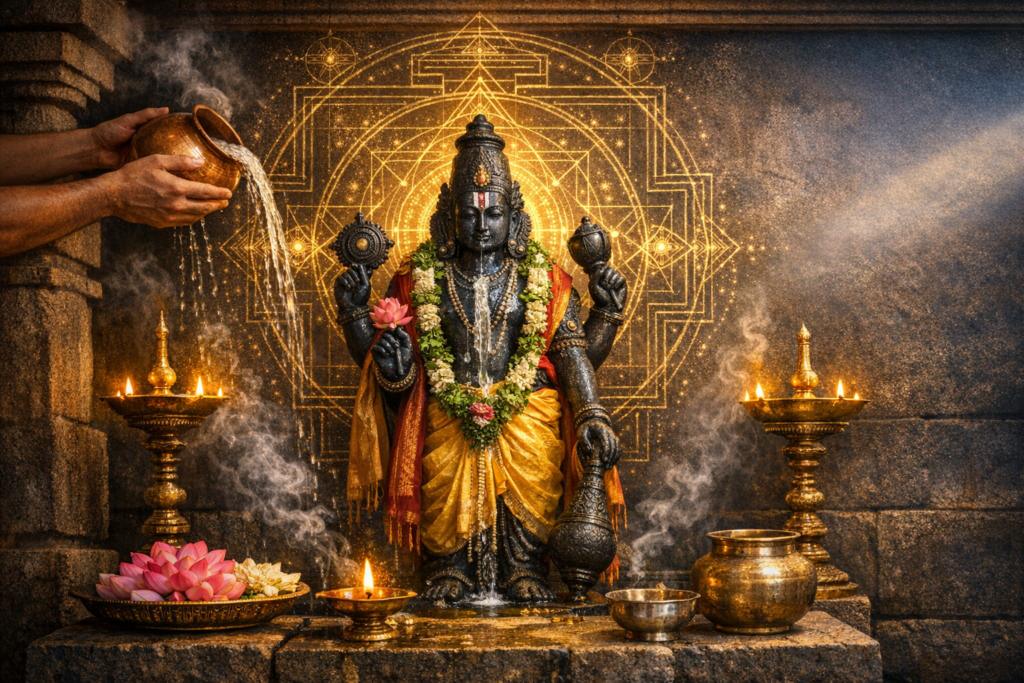
In practice, śuddhi and prāyaścitta were anchored in a holistic ethic: personal resolve (saṅkalpa), guidance under a competent guru or learned assembly, and ritual action that affirmed both individual dignity and social harmony. Temple-centered life often supported these processes through tīrtha-yātra, dāna (charity), vrata (vows), and community acknowledgment. The aim was never coercion but restoration—an evidence-based moral technology that the Hindu tradition refined to balance law (dharma), compassion (dayā), and social stability (loka-saṅgraha).
Historical contexts that prompted return pathways included travel-related ritual lapses (such as sea voyages), forced conversions during turbulent periods, and disruptions caused by famine, conflict, or migration. Rather than impose permanent exclusion, dharmic jurisprudence preferred rehabilitative solutions. This orientation strengthened societal resilience, preserved living traditions, and upheld the principle that moral growth is continuous and that communities thrive when doors remain open for sincere homecoming.
Parallels across the broader Dharmic family highlight a shared, inclusive spirit. In Buddhism, the ordination system allows re-ordination (upasampadā) after periods outside the monastic discipline, foregrounding confession and renewal. Jainism incorporates pratikraman as a disciplined cycle of reflection, repentance, and recommitment, enabling ethical reintegration without stigma. Sikh tradition recognizes re-initiation (Khande di Pahul) and community-guided rectification (tankhah), reinforcing that return to the path is both possible and honorable. Across Hinduism, Buddhism, Jainism, and Sikhism, these frameworks affirm unity in spiritual diversity: a person’s genuine intent, supported by community and ritual, restores wholeness.
Epigraphic and historical records from diverse regions of India attest to community-led reconciliation, often linked with temple endowments and public acts of restitution, charity, and service. While local forms varied—reflecting the plural ethos of Ancient India—the underlying principle remained stable: dharma acknowledges human fallibility and provides structured, dignified ways back. This heritage of inclusion is a cornerstone of India’s cultural memory and an instructive model for contemporary society.
Viewed through an academic-historical lens, the ancient roots of Ghar-Wapsi offer three enduring insights. First, return is a right shaped by conscience and community—not an instrument of compulsion. Second, the Dharmashastras and ritual manuals furnish a calibrated, evidence-based architecture for ethical restoration. Third, unity among the dharmic traditions is strengthened when homecoming is framed as reconciliation and healing. In an age of fragmentation, these lessons encourage interfaith respect, social cohesion, and a deeper appreciation of India’s civilizational wisdom.
Today, a balanced understanding of Ghar-Wapsi can help communities uphold religious freedom, safeguard cultural heritage, and nurture unity in diversity. Emphasizing voluntary choice, pastoral care, and transparent procedure aligns with the dharmic ideal of non-violence and the common good. By restoring individuals to their chosen dharmic path—Hindu, Buddhist, Jain, or Sikh—society affirms a shared commitment to dignity, continuity, and mutual respect.
Ultimately, the homecoming ethic is a dharmic breakthrough that has endured for millennia: it transforms estrangement into belonging, discord into harmony, and uncertainty into purpose. Anchored in texts, rituals, and lived practice, it remains one of the Hindu Civilisation’s most humane and sophisticated contributions to the global discourse on reconciliation, religious pluralism, and cultural resilience.
Inspired by this post on Dharma Dispatch.