
-
Ancient Hinduism on Conversion: Inclusive Paths, Organic Belonging, and Dharmic Unity

Ancient Hindu society did not rely on a single, formal rite of conversion. Instead, belonging developed organically through practice, ethics, and community participation. Outsiders who resonated with Hindu thought were welcomed via temples, festivals, and guilds, reflecting a civilizational commitment to religious pluralism. Textual references such as Vratya-stoma and Mlēccita-śuddhih emphasize social restoration rather than…
-
Ancient Roots of Ghar-Wapsi: The Complete, Evidence-Based Guide to Dharmic Homecoming

This analysis uncovers the ancient, textually grounded origins of Ghar-Wapsi as a dharmic homecoming rooted in Dharmashastras, Vedic ritual, and temple-centered practice. It clarifies how prāyaścitta, śuddhi, and the Vratya-stoma offered compassionate, evidence-based pathways for ethical restoration in Ancient India. By mapping parallels in Buddhism, Jainism, and Sikhism, it shows a shared, inclusive ethic that…
-
The Complete Vrātya-stōma Guide: How Schopenhauer, Emerson, Elst, Frawley Embraced Sanatana Dharma
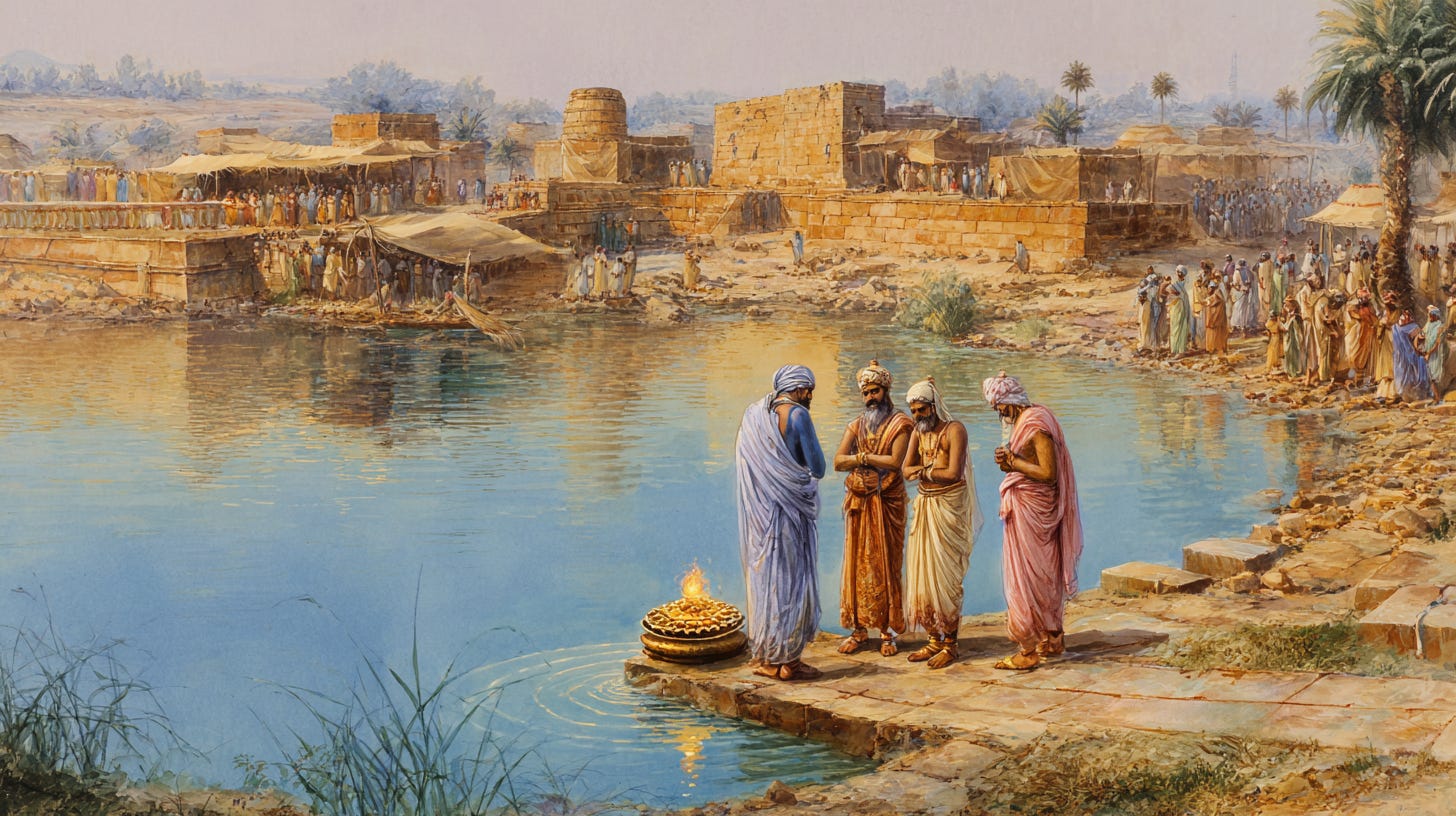
Vrātya-stōma, a Vedic rite of reintegration, serves as a compelling symbol of Sanatana Dharma’s inclusive ethos. This article traces how Western thinkersSchopenhauer, Emerson, Elst, and Frawleyengaged the Upanishads, the Bhagavad Gita, and Vedanta to enrich global philosophical discourse. Readers will discover how dharmic principles such as ahimsa, yoga, and meditation support unity across Hinduism, Buddhism,…