Plastic was once celebrated as a miracle of modernity; today it is a mounting menace. From choking marine ecosystems to infiltrating food chains as microplastics, its hidden costs now threaten biodiversity, public health, and the integrity of Earth’s life-support systems. This crisis invites a return to nature’s design and to dharmic principles that recognize interdependence, restraint, and responsibility toward Mother Earth.
Within Hindu thought, Prakriti (nature) and Ṛta (cosmic order) frame a moral ecology in which humans are custodians, not conquerors. Parallel insights flow across the dharmic spectrum: Buddhism emphasizes interbeing and non-harm, Jainism cultivates Ahimsa and Aparigraha (non-violence and non-possessiveness), while Sikh tradition advances seva and sarbat da bhala (welfare of all). Together, these complementary perspectives offer a unifying, time-tested ethic for Environmental stewardship and Environmental Sustainability.
The plastic crisis is, at its core, a systems problem. A linear economy of extract-produce-dispose disrupts ecological balance and violates the spirit of Dharma. A circular economy—rooted in Repair and reuse, Waste reduction, and design for longevity—aligns closely with Aparigraha and Ahimsa. This alignment reframes “consumption” as a moral choice: fewer, better, repairable goods; refill systems; and materials that harmonize with natural cycles.
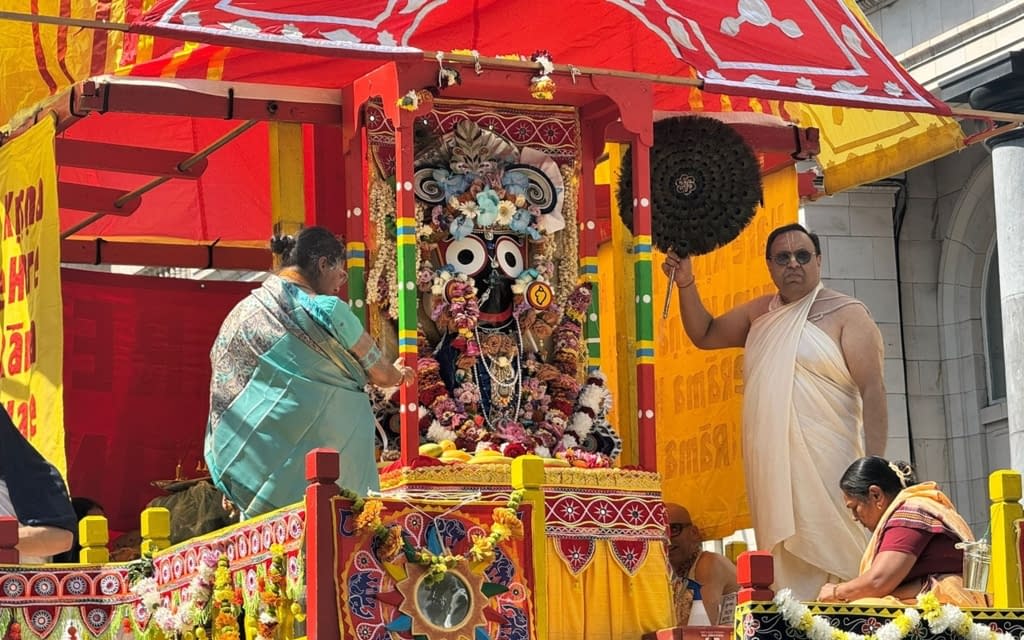
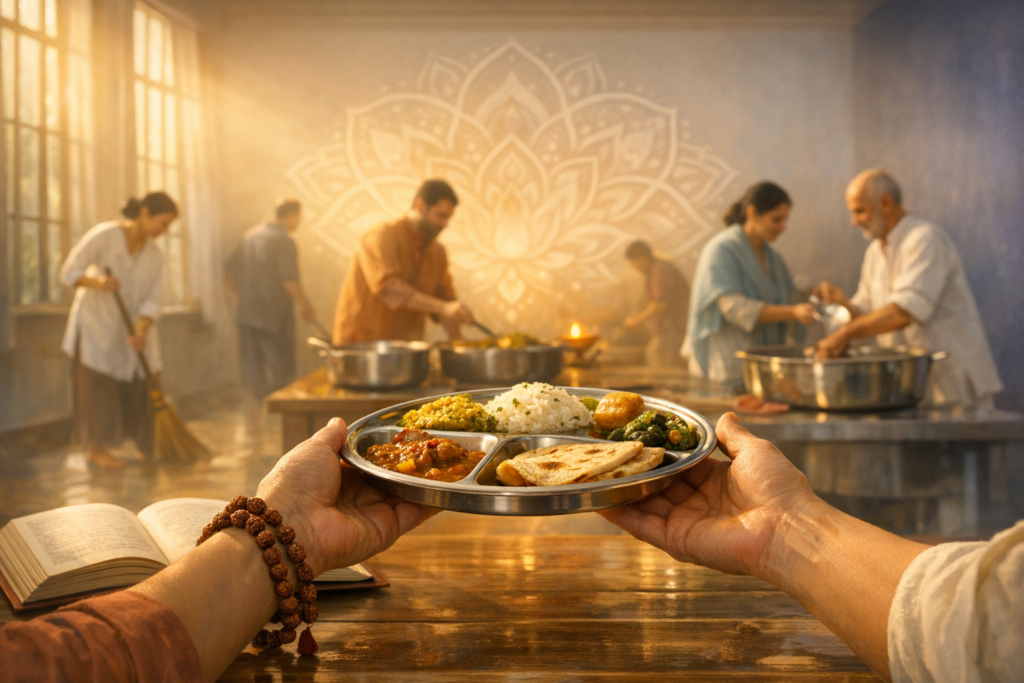
Countless communities have experienced the contrast first-hand: the short-lived convenience of single-use plastics versus monsoon-clogged drains and polluted lakes. Equally familiar are restorative practices already embedded in culture—steel tiffins replacing disposables, shared vessels at community meals, and temple events shifting to reusable serviceware. In many Sikh langars, the habit of washing and reusing utensils models both seva and sustainability; similar habits survive in homes where durable containers and cloth bags outlast throwaway trends.
Practical transitions are straightforward when guided by dharmic values. Favor durable, repairable products over disposable ones; support Right to repair policies and local repair culture; avoid misleading “biodegradable” claims when they underperform in real conditions; and replace plastic-heavy habits with time-honored alternatives. Traditional practices—darning, refilling, mending—are not relics but resilient technologies for an eco-conscious age.
Structural change matters as much as personal conduct. Producers can be held accountable through extended producer responsibility, deposit-return systems, and transparent disclosure of true lifecycle costs. Institutions and festivals can implement zero-waste protocols, switching to reusable or compostable serviceware and streamlined segregation at source. These collective moves build circularity into daily life and make Sustainable living the norm rather than the exception.
Individual discipline remains indispensable. Mindful consumption, waste segregation, home composting, carrying a reusable bottle, and refusing single-use packaging translate Dharma into daily decisions. In this way, Ahimsa becomes tangible: reducing harm to rivers, animals, and soil; Aparigraha becomes practical: wanting less, wasting less, and sharing more.
The ethical stakes are clear. Plastic pollution injures beings seen and unseen, violates the sanctity of water and soil, and burdens future generations. Dharmic traditions teach that life thrives where restraint, care, and reciprocity prevail. By honoring Mother Earth as sacred and reorienting toward circular design, society can restore balance without sacrificing dignity, prosperity, or ingenuity.
Uniting the strengths of Hinduism, Buddhism, Jainism, and Sikhism offers a shared pathway forward—one of compassion in action, disciplined simplicity, and community solidarity. Guided by Dharma, Ahimsa, Aparigraha, seva, and sarbat da bhala, the transition from plastic’s false convenience to genuine well-being becomes both a moral imperative and a practical blueprint for planetary healing.
Inspired by this post on Hindu Blog.