Swami Samarth Prakat Din 2026 (March 20, 2026) commemorates the revered appearance day (prakatya) of Swami Samarth Maharaj of Akkalkot, a preeminent 19th-century saint of the Dattatreya Tradition. Across India and the global diaspora, devotees observe this Hindu festival through puja, parayan, and seva aligned with the Hindu calendar.
Swami Samarth, widely known as the Swami of Akkalkot, is situated within the lineage that includes Shripad Shri Vallabha and Shri Narasimha Saraswati in the Datta sampradaya. Historical accounts and oral memory converge on his long residence at Akkalkot (present-day Maharashtra, Solapur district), where guidance was offered to householders and renunciants alike; the ethos emphasized inner strength, ethical living, and compassionate service.
Calendrical determination is made using regional panchang computations that reconcile lunar tithis with local sunrise. For 2026, major Akkalkot temples and Datta mathas observe Swami Samarth Prakat Din on the civil date of Friday, March 20, with local variations possible outside India due to time zones. Ritual scheduling typically privileges early-morning snana, sankalpa, and daylong upasana culminating in evening aarti.
The theological center of the day is guru-tattva. In the Dattatreya Tradition, the guru embodies the integral wisdom of creation, preservation, and transformation; venerating Swami Samarth therefore becomes a contemplative exercise in recognizing the same divinity within all beings. This insight harmonizes with the dharmic ideals of ahimsa, karuna, and seva common to Hinduism, Buddhism, Jainism, and Sikhism, underscoring unity in spiritual diversity.
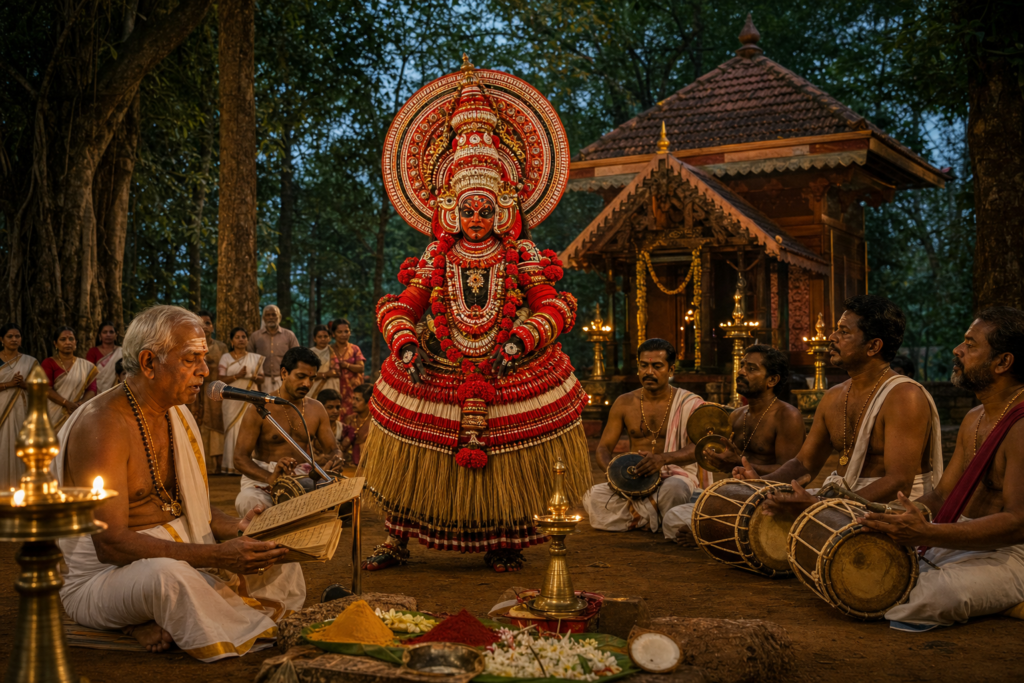
Akkalkot observances are marked by abhisheka to the padukas of Swami Samarth, alankara, bhajan-kirtan, and public aarti. Parayan of shared Datta literaturemost commonly readings from Shri Gurucharitra alongside compositions dedicated to Swami Samarthframes the day. The Vatavruksha precinct and Shri Swami Samarth Maharaj Math at Akkalkot serve as focal points for darshan, while anna-dana (community meals) reinforces the festival’s service dimension.
Home observance on March 20, 2026 can be structured in a clear sequence: prepare a clean altar with an image or padukas of Swami Samarth, light a deepa, offer water, flowers, and satvic naivedya, and recite chosen prayers. Many follow a vrata of simplicitylimiting media consumption, keeping speech mindful, and dedicating time to japa and studybefore concluding with aarti and distribution of prasad within the family or neighborhood.
Mantras and hymns favored by devotees include Sri Swami Samarth, Om Namo Bhagavate Dattatreyaya, and the Datta invocation Digambara Digambara Shripadavallabha Digambara. Traditional aartis from the Datta corpus and regional kirtans are also employed; selection varies by language and family tradition, reflecting the plural character of Hindu spirituality.
Fasting is optional and guided by health and household commitments. Where fasting is not feasible, a satvic diet, study of dharmic texts, small acts of charity, and volunteering at a temple or community kitchen meaningfully align the day with the values Swami Samarth is remembered for. Planting or caring for a treesymbolically echoing the Vatavruksha of Akkalkotoffers an ecologically resonant observance.
Devotee narratives often describe a felt sense of reassurance and moral clarity associated with the name Sri Swami Samarth, especially during periods of uncertainty. From an experiential viewpoint, such narratives function as resources for resilience, supporting equanimity, diligence, and ethical decision-making in daily life.
From a historical perspective, the term prakat denotes a sacred appearance rather than a conventional birth anniversary; hagiographic sources emphasize a timeless presence that transcends linear biographic timelines. While modern scholarship distinguishes between verifiable events and devotional memory, it also recognizes the festival’s role in strengthening social cohesion through annadan, shared music, and pilgrimage.
Akkalkot logistics warrant advance planning during Prakat Din. The town lies roughly 40–45 km from Solapur, with access by rail and road; air travelers typically route via Solapur or Pune. Crowd management protocols, extended darshan hours, and special aarti schedules are commonly announced by local temple administrations; confirming local timings is advisable for a smooth pilgrimage.
Swami Samarth Prakat Din is distinct from Datta Jayanti (observed on the full moon of Margashirsha) and from the separate punyatithi commemorations associated with Swami Samarth’s samadhi. Observing these occasions across the Hindu calendar 2026 sustains continuous remembrance of guru-tattva through the cycles of study, devotion, and service.
Key takeaways for 2026 include the fixed civil date of March 20 across India, the primacy of guru-bhakti expressed through puja and seva, and the inclusive character of Dattatreya worship that welcomes diverse regional liturgies. Families and communities often combine temple visits with accessible home practices, making the observance adaptable for urban, rural, and diaspora settings alike.
As a living tradition, Swami Samarth Prakat Din invites practitioners to encounter the guru not only in sanctums at Akkalkot but also in daily conductkindness in speech, steadiness in duty, and generosity in community life. Such integration reflects a shared dharmic vision in which spiritual insight and social responsibility are inseparable.
Inspired by this post on Hindu Pad.