Surya Damanotsavam, also known as Surya Damanaka Puja, Surya Saptami, or Damanak Saptami Vrat, is observed on Chaitra Masa Shukla Saptami, the seventh lunar day in the bright fortnight of the Chaitra Month. In 2026, this sacred observance falls on Wednesday, March 25. Rooted in Vedic tradition and living temple culture, the vrata venerates Lord Surya (Surya Bhagavan) with Dhavanam leaves (botanical name: Artemisia pallens), emphasizing purity, vitality, and gratitude for the Sun as pratyaksha devatathe directly perceptible Divine.
Calendrically, Shukla Saptami is identified when the Moon’s elongation from the Sun lies between 72° and 84°, marking the seventh tithi of the waxing phase. Because tithis are lunar and not strictly tied to the civil solar day, Surya Damanotsavam can span different clock hours across regions. Observers rely on a local panchang to determine the exact Saptami interval, with sunrise arghya and forenoon worship commonly preferred when Saptami prevails at sunrise. Small variations may occur depending on regional almanacs and time zones, but the spiritual core remains unchanged.
Damanaka (Dhavanam) offering defines the festival’s ritual identity. Dhavanam (Artemisia pallens), an aromatic herb of the Asteraceae family, is revered in South Indian temple traditions for its fragrance, sanctifying presence, and ritual symbolism. In Surya Damanotsavam, fresh Dhavanam leaves or garlands are offered to Surya Bhagavan, signifying clarity, auspiciousness, and the resolve to channel one’s inner radiance toward dharma. The use of Dhavanam here also reflects a wider Vedic ethos of sacred plant offerings (patra-puja), where specific leaves embody distinct devotional moods and intentions.
Within the broader framework of Suryopasana (sun-worship), the Saptami tithi has special resonance. Vedic and Itihasa-Purana sources extol Surya as the life-giver, time-keeper, and illuminator of intellect. Texts such as the Aditya Hridayam praise Surya’s sustaining force, while Gayatri-centered practices honor the luminous principle (tejas) that nurtures vitality and discernment. Observing Surya Damanotsavam on Chaitra Shukla Saptami complements well-known sun observances across the year and underscores gratitude for the new cycle of growth associated with the Chaitra season.
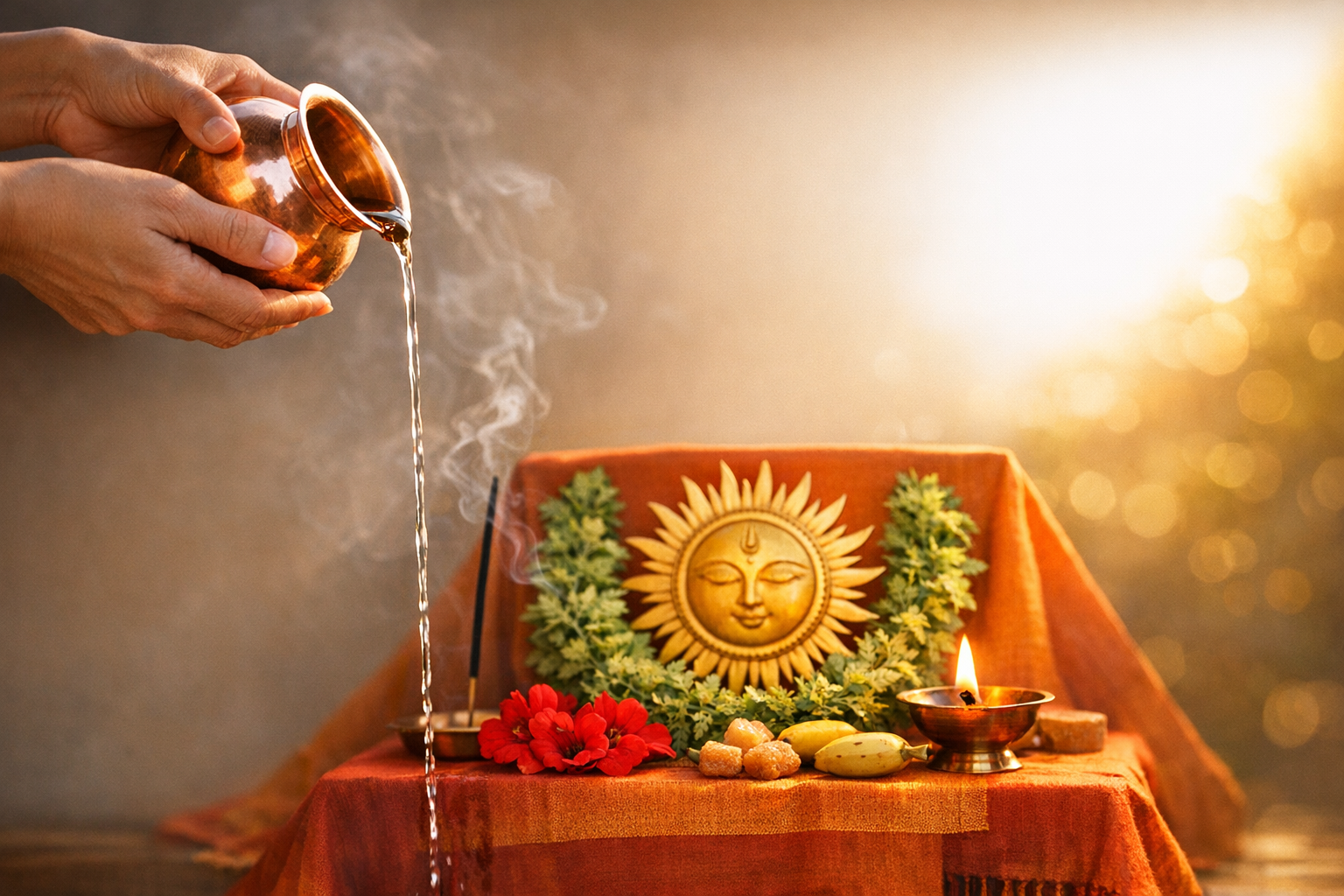
A practical home puja aligns intention, ritual precision, and simplicity. A clean, east-facing space is prepared with a small altar. Devotees customarily place a representation of Suryasuch as an image, a shalagrama under Surya’s aspect, or a Surya yantraon a red or saffron cloth. A dedicated lota (preferably copper) is filled with clean water mixed with akshata (unbroken rice), a pinch of kumkum, and a few Dhavanam leaves for the morning arghya. Incense, a ghee lamp, red flowers, and seasonal fruits or jaggery-based naivedya are arranged respectfully.
Sankalpa sets the ritual’s intention. After morning ablutions and a sattvic preparation of mind, one may sit in silence for a few minutes to steady the breath and recite a concise sankalpa in one’s traditionarticulating observance of Surya Damanaka Puja on Chaitra Shukla Saptami, seeking inner clarity, well-being for family and society, and alignment with dharma. This mindful framing connects the devotee’s personal journey to the cyclical sanctity of the lunar calendar.
Arghya at sunrise is central. Facing east, water is offered by lifting the lota to shoulder level and letting the stream fall before the feet without splashing the altar. Many recite the Surya Gayatri or simple bija mantras to honor the solar principle. While devotional customs vary, the act of offering water at dawn is a timeless gesture of reverence to the source of light and life. Observers take care not to stare at the sun directly and to maintain a measured, contemplative pace throughout the offering.
Patra-puja with Dhavanam forms the festival’s distinctive heart. A fresh Dhavanam garland or handful of leaves is gently placed near the Surya icon. If a garland is used, it is offered with a prayer invoking radiance, health of body and mind, and steadiness of purpose. Many lineages pair the offering with the recitation of Aditya Hridayam or selected Surya stotras, integrating mantric sound with the fragrance of the leaves. The aroma and texture of Dhavanam help cultivate present-moment awareness, deepening focus and bhava (devotional sentiment).
Core upacharas (offerings) typically include deepa (lamp), dhupa (incense), pushpa (flowers), gandha (sandal paste or kumkum), and naivedya (fruits, jaggery, or simple sattvic preparations). Where possible, red or saffron hues are chosen to echo Surya’s brilliance. Gentle circumambulations (pradakshina) and a closing prayer for loka-samgrahathe welfare and harmony of all beingsalign the rite with dharmic responsibility and social consciousness, which are integral to traditional observance.
Vrat discipline on Damanak Saptami ranges from a full fast to a light, sattvic diet depending on health, age, and guidance from elders or one’s spiritual tradition. Hydration, composure in speech, and clarity in thought are emphasized as part of vrata-śuddhi (vow purity). Many also incorporate a measured practice of surya namaskar from the yoga tradition as a mindful complement, integrating breath, movement, and gratitude for the day’s light.
Regional temple traditions enrich the observance. In places historically associated with Surya worshipsuch as Arasavalli (Andhra Pradesh), Suryanar Kovil (Tamil Nadu), and communities venerating the Sun across Odisha, Gujarat, Rajasthan, and beyondspecial archanas, alankarams, and stotra-parayana are conducted. While local customs differ, the shared gesture of offering Dhavanam during Chaitra Shukla Saptami foregrounds a common devotional thread across diverse linguistic and cultural landscapes.
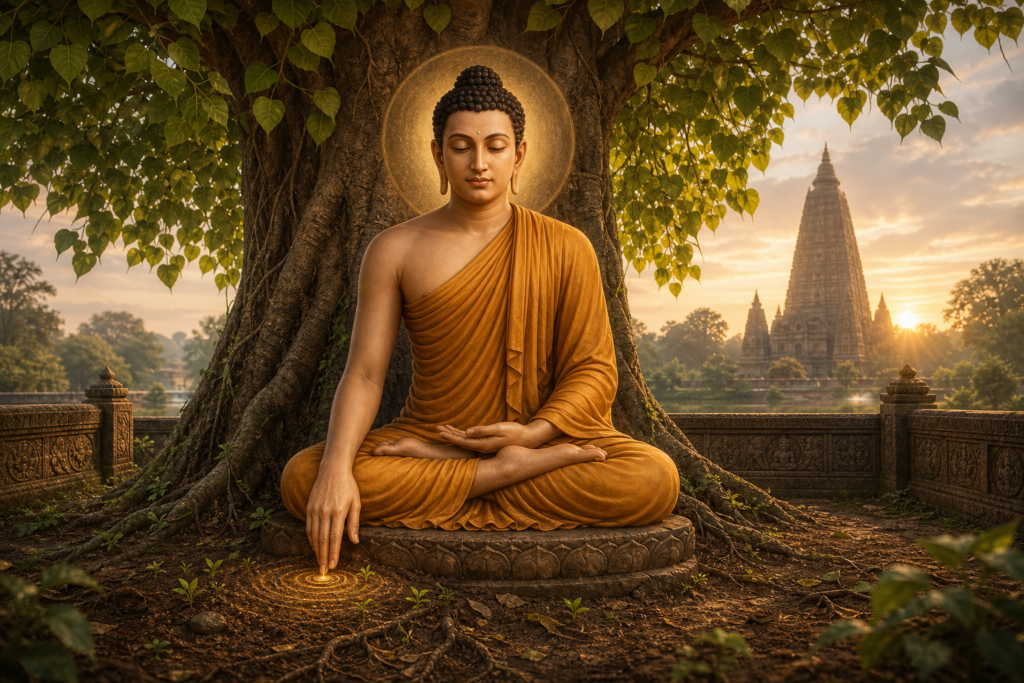
Across dharmic traditions, reverence for the sun serves as a unifying motif. Hinduism venerates Surya as a deva of knowledge and vitality; Buddhist texts and practices often employ solar imagery to symbolize awakening and clarity; Jain heritage preserves Surya iconography in certain historical contexts; and Sikh teachings honor the natural order and cycles that sustain life. This interlinked appreciation of sunlight, seasons, and ecological interdependence reflects a shared civilizational ethos of gratitude, restraint, and responsibility toward nature.
Surya Damanotsavam also invites contemplative insight. Morning quietude, mindful breath, and the measured flow of arghya help cultivate inner steadiness. The ritual becomes a mirror for tapas (discipline) and viveka (discernment): just as sunlight dispels darkness, clarity of intention can dissolve inner tamas (inertia). The tactile presence of Dhavanam, the warmth of the lamp, and the cadence of mantra together enact a living pedagogy in which the senses, mind, and heart align toward the sacred.
Observers sometimes ask how Surya Damanotsavam relates to the more widely known Ratha Saptami in Magha (Magha Shukla Saptami). Both are sun-centered Saptami observances, though they occur in different lunar months and carry distinct ritual foci. Ratha Saptami in Magha emphasizes Surya’s chariot symbolism and seasonal turn, whereas the Chaitra observance foregrounds the Damanaka (Dhavanam) offering. Communities may retain either or both, reflecting Hinduism’s inclusive spectrum of regional and parampara-based practice.
For 2026, a practical schedule centers on Wednesday, March 25, with preference for sunrise arghya when Saptami prevails at dawn. Where Saptami overlaps unevenly with the civil dawn, local panchang guidance should be followed. A short preparatory sequenceclean space, sankalpa, arghya, Dhavanam offering, stotra-parayana, naivedya, and a closing prayersupports a complete and serene observance at home or in community settings.
An eco-conscious approach honors the dharmic commitment to environmental care: use locally sourced Dhavanam where available, minimize plastics, and return used leaves respectfully to the soil as compost when permitted. Choosing seasonal fruits and simple naivedya limits waste and aligns the rite with gratitude for the season’s gifts, a theme especially resonant in Chaitra as communities mark new beginnings in the Hindu calendar.
By celebrating Surya Damanotsavam with devotion and understanding, households and temples alike reaffirm a living continuity of Vedic traditions. The festival’s synthesis of calendrical precision, Dhavanam symbolism, and shared sun-reverence across the dharmic family fosters unity, ethical mindfulness, and cultural resilience. As the light of Surya steadies the rhythms of day and season, this observance steadies intentiontoward knowledge, compassion, and collective well-being.
Inspired by this post on Hindu Pad.