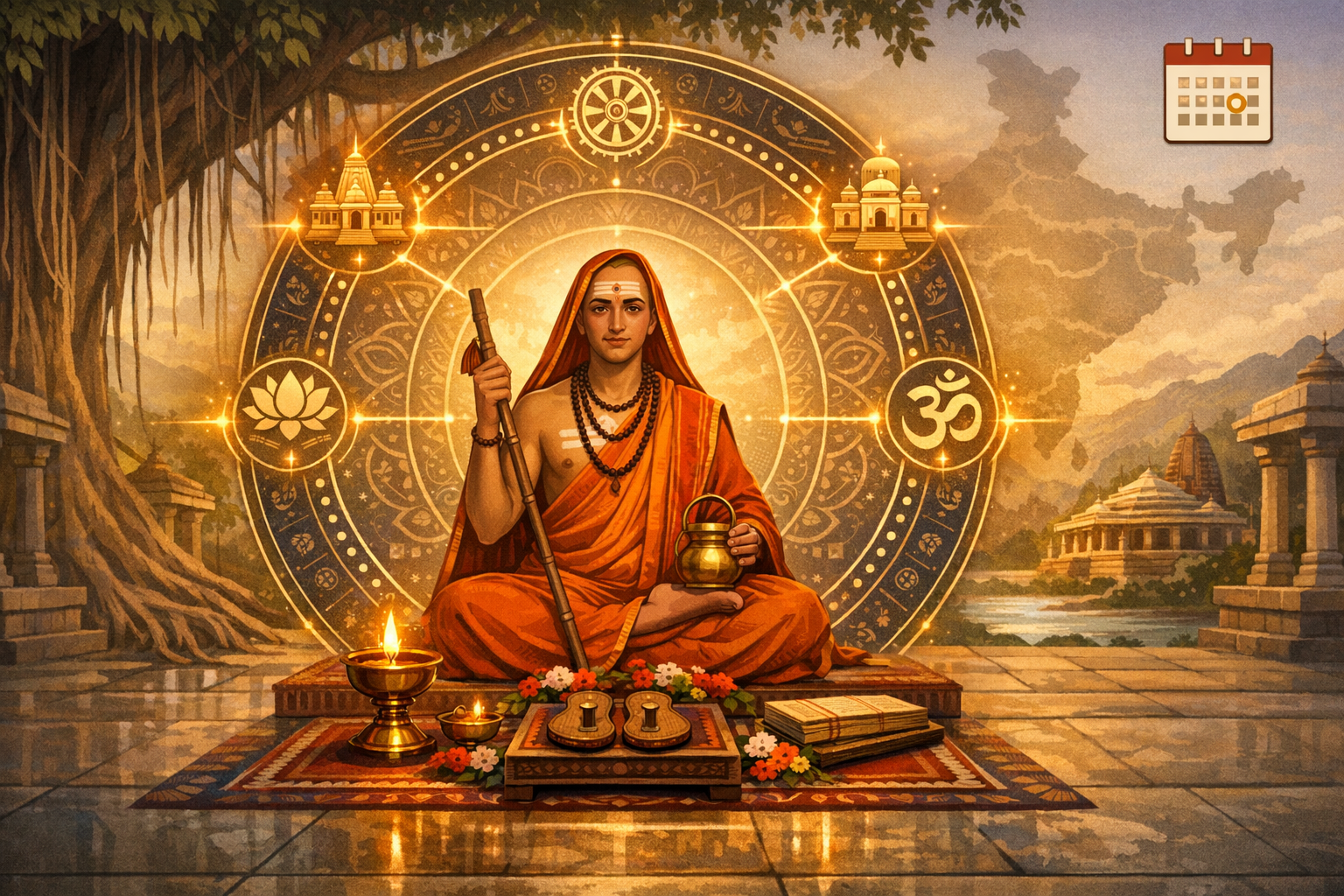
Shankara Jayanthi (Shankaracharya Jayanti) in 2026 falls on Tuesday, 21 April 2026. The observance follows Vaisakha Shukla Panchami, the fifth lunar day in the bright fortnight of Vaisakha masam (Vaisakh month) as per the Hindu calendar.
Across most Indian panchangs using Indian Standard Time, Shukla Panchami prevails at sunrise on 21 April 2026. Regional practice may vary due to calendrical conventions (Amanta versus Purnimanta reckoning), temple traditions, and time-zone adjustments for the global diaspora. For precise temple schedules and muhurta, consultation with a trusted local panchang or nearby matha is advised.
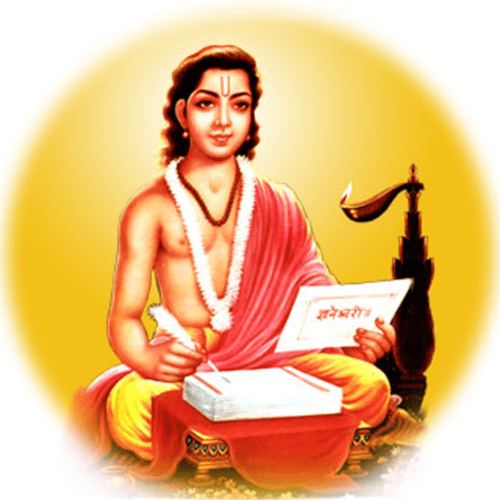
Commemorated as the birth anniversary of Jagadguru Adi Shankaracharya, Shankara Jayanthi honors a towering luminary in Hindu philosophy whose work shaped Advaita Vedanta and strengthened India’s monastic, scholastic, and ritual life. The day is marked by Guru-puja, scriptural study, Vedic chanting, and contemplative practices that emphasize knowledge, ethics, and spiritual discipline.
Historical dating for Adi Shankara varies in scholarly and traditional lineages. A widely cited traditional chronology places his life in 509–477 BCE, while modern academic consensus locates him in the 8th–early 9th century CE (often c. 700–750 to c. 820). Despite this chronological debate, there is broad agreement on his South Indian origins at Kalady (Kerala), early intellectual brilliance, formal initiation under Govinda Bhagavatpada, and extensive scholastic journeys (digvijaya) across the subcontinent.
Adi Shankara’s philosophical contribution, Advaita Vedanta, articulates non-dualism: Brahman is the ultimate, attribute-free reality, and the true Self (Atman) is non-different from that Brahman. Bondage arises through avidya (ignorance) and adhyasa (superimposition), which veil the ever-free nature of the Self. Liberation (moksha) is recognized not as a new attainment but as knowledge-based recognition of what always is, deepened through sravana (scriptural listening), manana (reasoned reflection), and nididhyasana (steady contemplation).
The tradition emphasizes sadhana-catushtaya, the fourfold qualifications for seekers: viveka (discernment of the eternal from the non-eternal), vairagya (dispassion), the sixfold virtues (shama, dama, uparati, titiksha, shraddha, samadhana), and mumukshutva (intense longing for liberation). Within a dharmic life, Advaita integrates karma yoga and bhakti, harmonizing knowledge with devotion and ethical action.
Adi Shankara is credited with the foundational commentaries (bhashyas) on the Prasthanatrayi: the Brahma Sutras, principal Upanishads, and the Bhagavad Gita. Upadesa Sahasri is broadly accepted as authentic. Several popular works transmitted through traditionsuch as Vivekachudamani, Atma Bodha, Maneesha Panchakam, Bhaja Govindam, Nirvana Shatakam, and Soundarya Lahariplay a living role in practice, even when scholars debate authorship for some texts. On Shankara Jayanthi, these stotras are frequently recited in homes and temples.
The Shankaracharya Parampara institutionalized monastic learning and spiritual leadership through the four amnaya mathas: Sringeri (Dakshinamnaya Sharada Peetham), Dvaraka (Sharda Peeth), Puri (Govardhan Math), and Badrinath/Jyotirmath (Uttaramnaya). Together with the daśanāmi order, this network preserved Vedic recitation, philosophical teaching, and community service, ensuring continuity of Vedic knowledge and a shared spiritual culture across regions.
Shankara Jayanthi has both philosophical and social significance. Philosophically, it re-centers the Upanishadic insight that the same Consciousness illumines all beings. Socially and ritually, it invites reverence for the Guru and for knowledge, encouraging study circles, discourse (pravachan), and inclusive community gatherings.
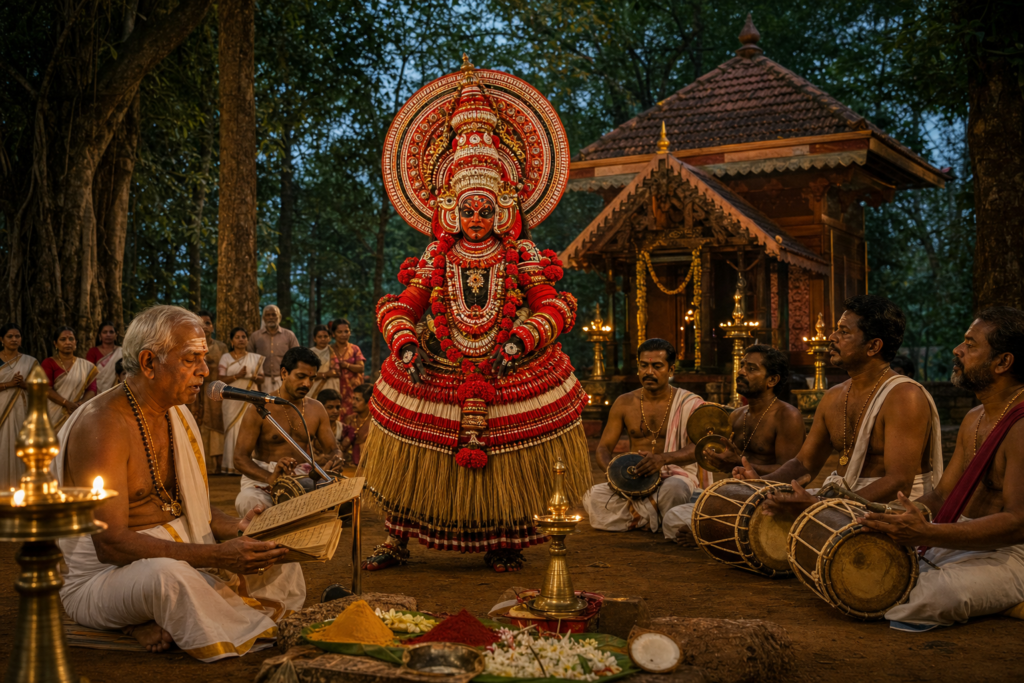
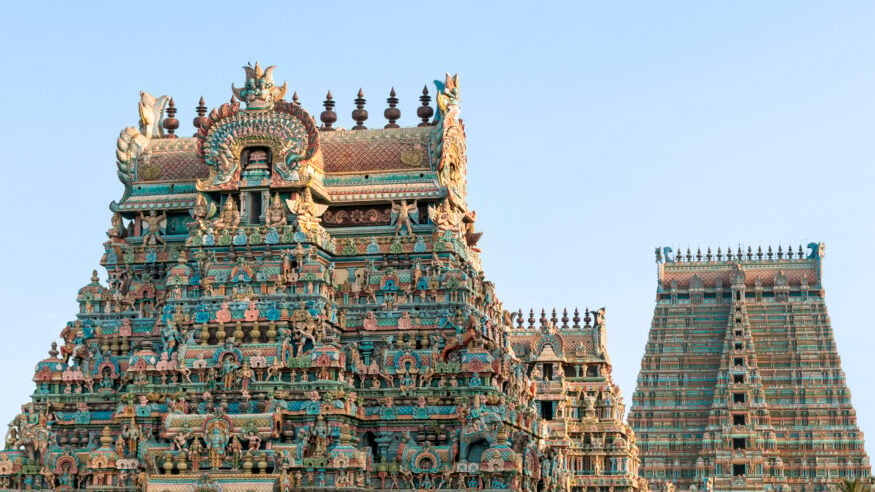
In many temples, the day features Veda-parayana, Guru-puja to Adi Shankara’s padukas, homa, and talks on Advaita Vedanta. Temples dedicated to Dakshinamurti, Sharada, and the amnaya mathas often host special events, making it an auspicious time to listen to commentarial teachings that connect scripture, reasoning, and contemplative insight.
Home observance can be simple yet deeply meaningful. After a morning snana and achamana, a sankalpa for Shankaracharya Jayanti on Vaisakha Shukla Panchami may be taken. Lighting a lamp and offering panchopachara or shodashopachara to a representation of the Acharya (image or padukas), devotees often recite Nirvana Shatakam, Bhaja Govindam, or Maneesha Panchakam, followed by a period of silent meditation. Satvika meals, study of the Upanishads or Upadesa Sahasri, and acts of service in the spirit of guru-bhakti complete the observance.
Recommended readings and recitations on this day include selections from the Brahma Sutra Bhashya (for its systematic clarity), the Bhagavad Gita Bhashya (for the synthesis of action, devotion, and knowledge), the Upanishad bhashyas (for non-dual insight), and stotras like Totakashtakam or Shivanandalahari where transmitted. Such practice links textual learning (sravana) to personal reflection (manana) and contemplative assimilation (nididhyasana).
Calendrically, the observance is grounded in the tithi prevailing at sunrise, a common rule in Smarta practice and many matha traditions. Differences can occur where communities apply alternative rules, or when lunar days straddle civil dates across time zones. Therefore, while 21 April 2026 is the pan-India date, diaspora communities may align the celebration with the local sunrise on Shukla Panchami in their region.
Shankara Jayanthi also speaks to the shared foundations of the dharmic familyHinduism, Buddhism, Jainism, and Sikhismwhose philosophical conversations over centuries cultivated hospitality to multiple paths of practice. The Advaitic assertion of a single, indivisible reality resonates with the ethical and contemplative emphases found across these traditions, encouraging mutual respect, dialogue, and a commitment to compassion and non-harm.
In contemporary life, the day offers a framework for integrating inner clarity with social responsibility. Study and meditation sharpen viveka and reduce habitual reactivity; service and ethical conduct translate knowledge into compassionate action. In this way, Shankara Jayanthi remains not only a commemoration of a great teacher but also a living practice of unity in diversityhonoring all sincere seekers within the broader Sanatan Dharma.
Key details for 2026 at a glance: Date21 April 2026 (Tuesday); TithiVaisakha Shukla Panchami; MonthVaisakh (Vaisakha masam); ObservanceGuru-puja, stotra-parayana, scriptural study, meditation, and community service. For temple-specific events, local matha announcements and regional panchangs provide the most reliable schedules.
Shankara Jayanthi ultimately points to the timeless insight that knowledge liberates, devotion refines, and disciplined practice stabilizes the mind in truth. By aligning celebration with study and contemplation, the observance deepens understanding of Advaita Vedanta while strengthening bonds of dharmic unity across communities.
Inspired by this post on Hindu Pad.