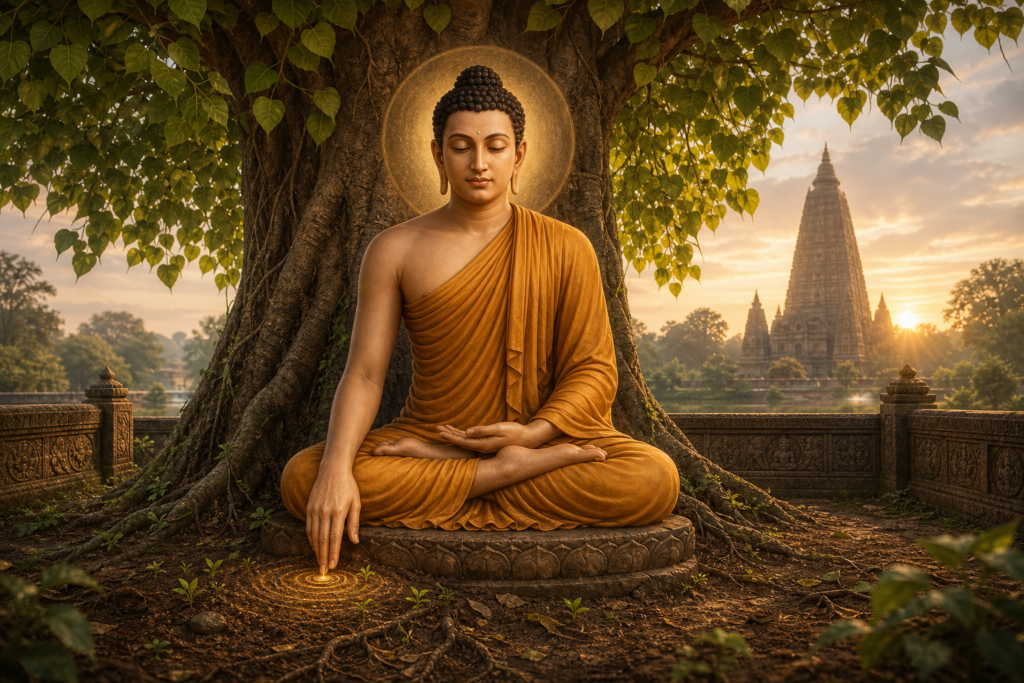
Ratha Saptami, observed on Magh Shukla Saptami, is revered as a radiant celebration of Surya and a prayer for health and well-being. In 2026, Ratha Saptami falls on January 25. Across regions, the day symbolizes the onward movement of the Sun’s chariot and the inner resolve to align life with light, discipline, and compassion. Within the broader dharmic familyHinduism, Buddhism, Jainism, and Sikhismthe Sun stands as a universal emblem of clarity, knowledge, and life-sustaining energy, encouraging unity through shared values.
As a calendrical marker, Ratha Saptami typically occurs two days after Vasant Panchami, anchoring the festival firmly in the Magh month. The observance is closely tied to sunrise, when devotees offer arghya (water oblation) to the Sun and recite sacred verses for vitality and inner balance. For local muhurat and tithi precision, consulting a regional Panchang is recommended, as sunrise timings and guidelines may vary by location.
Ritual practice on this day often includes a sacred bath at sunrise, the offering of arghya facing the eastern horizon, and the performance of Surya Namaskar with mindfulness of breath and posture. Many devotees chant Aditya Hridayam or other stotras, while some regional traditions place arka leaves on the shoulders during snana to symbolize the seven horses of the Sun’s chariot and the disciplined movement of time. The prayerful intent remains constant: to honor Surya bhagwan and to cultivate health, clarity, and resilience.
Ratha Saptami Vrat is commonly observed with satvik meals or a partial fast, along with charity, the distribution of food, and a conscious commitment to truthful conduct and restraint. These vows are framed as practical disciplines that support physical vitality and mental steadiness. Devotees frequently note that the day’s sunrise practices foster a quiet emotional renewalgratitude deepens, breath steadies, and the rhythm of daily life feels aligned with a larger cosmic order.
Seasonally, Ratha Saptami follows closely after Makara Sankranti and signals the gradual turn from winter toward spring. The imagery of the Sun’s chariot moving decisively forward mirrors agricultural rhythms and the hope of fresh growth. The seven-horse motif also resonates with the seven days of the week and the disciplined flow of time, reminding practitioners that sustained well-being arises from steady, ethical action supported by spiritual insight.
In a spirit of dharmic unity, the day highlights converging values across traditions: illumination over ignorance, compassion over indifference, and self-discipline over excess. While the specific liturgies differ, the shared reverence for light, truth, and life affirms a common ethical horizon. This inclusive lens nurtures harmony, allowing diverse communities to honor their paths while celebrating the Sun’s universal symbolism.
A practical checklist for observance includes: preparing water for arghya before sunrise; arranging a clean space for Surya Namaskar and recitation; planning a simple satvik menu if observing a vrat; and setting aside time for charity or service. If health permits, one may add mindful breathwork to enhance focus. These small, consistent steps convert devotion into daily strength and well-being.
In summary, Ratha Saptami 2026 on January 25 offers a meaningful occasion to renew physical vitality and inner clarity through Sun-centered worship, ethical discipline, and shared dharmic values. With sunrise as the day’s spiritual anchor, the observance invites a grounded, compassionate start to the unfolding season, uniting communities in the pursuit of health, harmony, and hope.
Inspired by this post on Hindu Pad.