On 27 March 2026 (Chaitra Shukla Navami), the Ram Navami Special—Live Darshan brings together devotees across geographies to honor Maryada Purushottama Sri Rama. This reflection documents the day’s observances while preserving shared memories surrounding the grand opening of Sri Sri Krishna Balram Mandir, situating both within the broader Bhakti Tradition and the living heritage of Hindu Temples.
Ram Navami marks the appearance of Sri Rama during the Madhyahna period of the Navami tithi, as determined by the Panchang. Although civil calendars display 27-03-2026, the decisive observance window follows Vedic time-reckoning: the Navami tithi prevailing at midday is prioritized for Rama-janma rituals. Regional sampradayas align this with Chaitra Navratri, underscoring themes of dharma, courage, and compassionate governance.
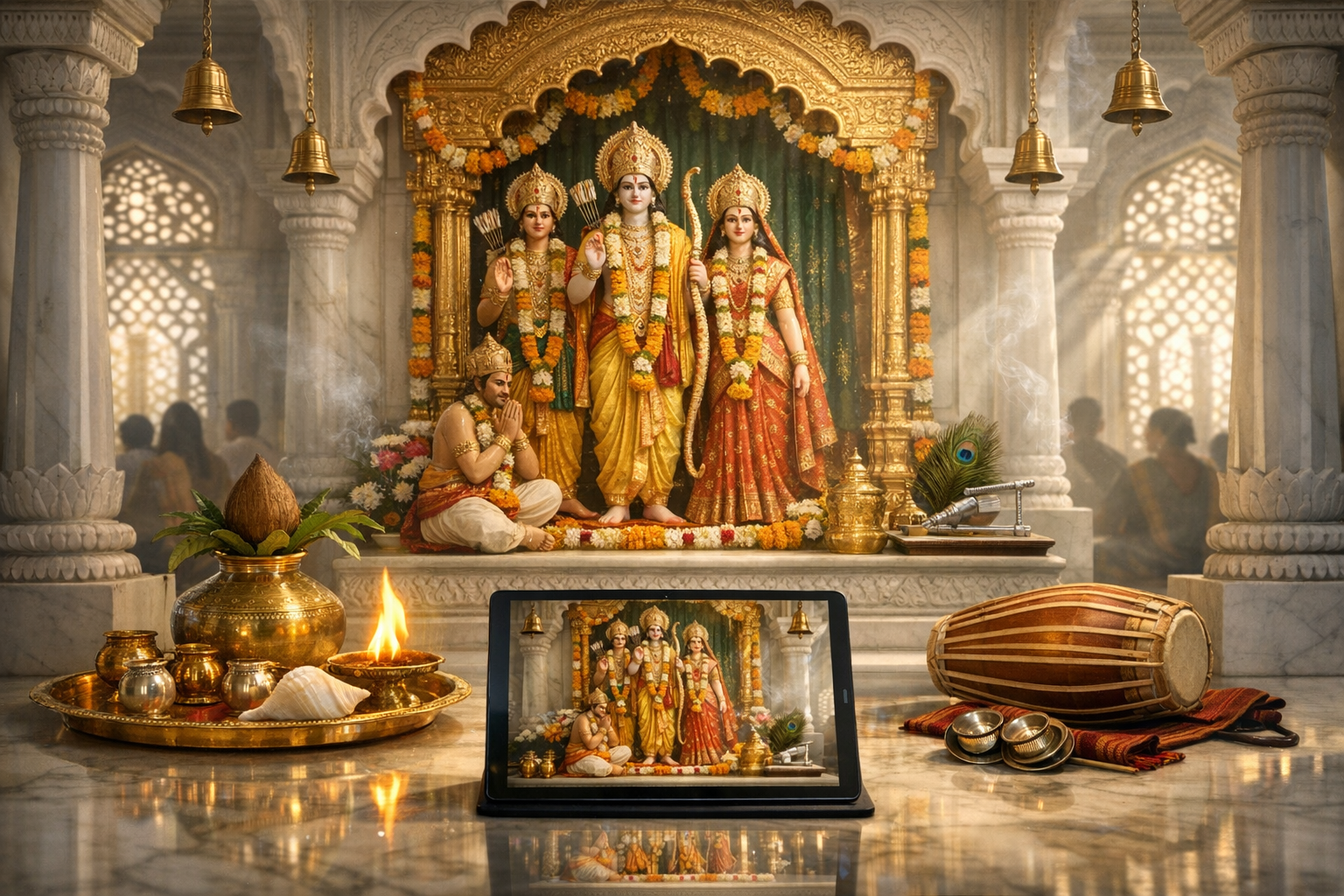
Live Darshan extends the temple’s sanctified space digitally, enabling diaspora participation and shared kirtan despite distance. Far from replacing in-person pilgrimage (Tirtha-Yatra), it complements it, amplifying scriptural recitation, abhishekam visuals, and aarti moments with clarity and communal synchrony.
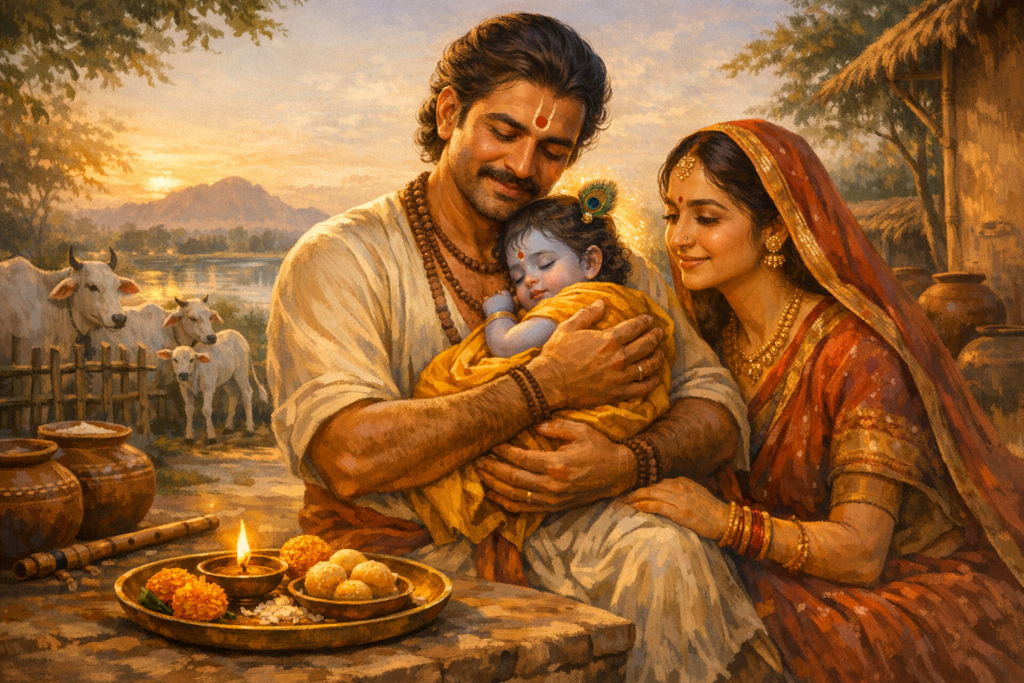
Within ISKCON (International Society For Krishna Consciousness), Sri Sri Krishna Balram Mandir exemplifies Gaudiya Vaishnavism’s emphasis on nama-sankirtana and seva. The pairing of Sri Krishna and Balarama centers Vraja-bhakti while Ram Navami celebrations honor Vishnu’s Rama avatara, integrating readings from the Ramayana alongside kirtan and discourse drawn from Bhagavad-Gita and the Puranas.
Collective memories of the grand opening of Sri Sri Krishna Balram Mandir often highlight three strands: the solemnity of prana-pratishtha (Pancharatra tradition), the exhilaration of sustained kirtan, and the immediate experience of darshan that transforms a structure into a living sacred ecosystem. Attendees recall the resonance of conch (shankha), temple bells, and Vedic mantras that inaugurated a cycle of daily worship now woven into community life.
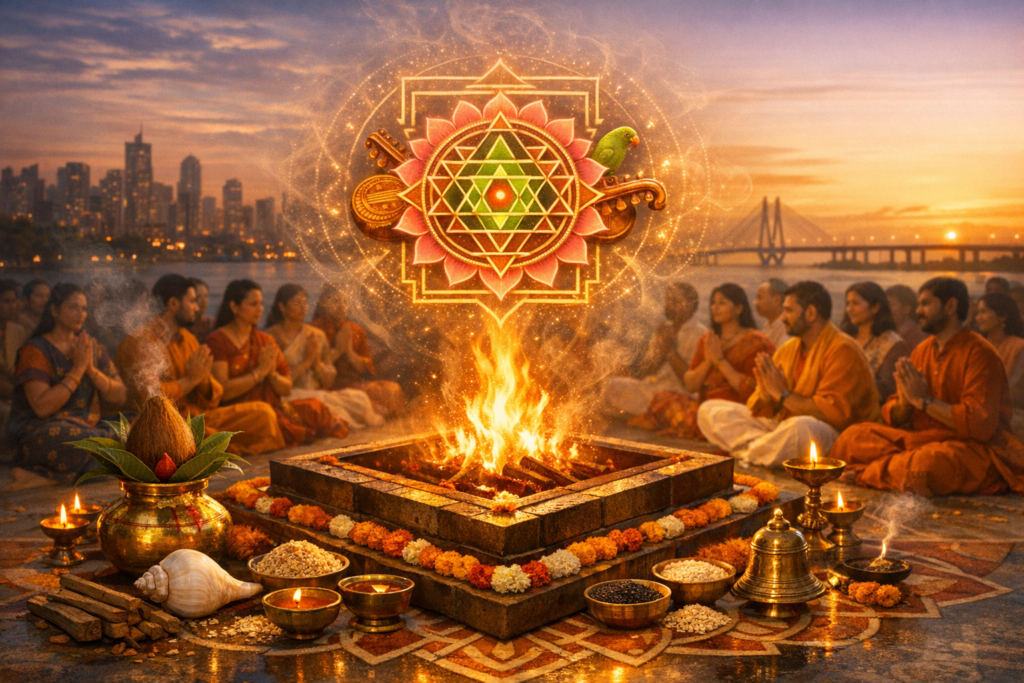
Prana-pratishtha ceremonies typically proceed through kumbha-sthapana, homa, abhishekam, alankara, and netronmilana, culminating in darshan. While procedural nuance varies by parampara and regional practice, the intent remains constant: to invite the Lord’s presence, establish an unbroken schedule of seva (nitya-puja), and root the temple’s dharmic service in accountability, continuity, and shared responsibility.
Architecture and iconography at Sri Sri Krishna Balram Mandir embody Vedic aesthetics—symmetry oriented to the cardinal directions, sanctum (garbhagriha) focus, and rhythmic use of light and sound to guide inner attention. Marble and stone carvings frame the murtis; floral alankara and sacred textiles change with the festival calendar, reflecting an integrated pedagogy in which beauty reinforces philosophical insight.
Ram Navami within this milieu follows a well-defined liturgical arc: Mangal aarti and suprabhata, shringara-alankara, special abhishekam, pravachana on the dharma of Sri Rama, and Madhyahna celebrations marking Rama-janma with sankalpa, conch-sounding, and communal aarti. Kirtan cycles often interleave the Hare Krishna mahamantra with invocations such as ‘Sri Ram Jai Ram Jai Jai Ram’, harmonizing Gaudiya Vaishnava and Rama-bhakti expressions.
The theological spine of the day is service. As Bhagavad-Gita 9.26 articulates—patram, pushpam, phalam, toyam—devotional offering is measured by sincerity rather than scale. In practice, archana, tulasi seva, and collective nama-sankirtana anchor householders and monastics alike in accessible, repeatable disciplines that cultivate steadiness (nistha) amid contemporary pace.
Live Darshan on 27-03-2026 synchronizes domestic worship with temple proceedings. Households commonly designate a clean space, light a deepa, and undertake a simple sankalpa to participate mentally in the abhishekam and aarti as they unfold. Where time zones differ, viewers align with the temple’s Madhyahna marker through recorded streams, preserving the tithi focus while accommodating local schedules.
Home observances frequently include recitation of selected verses from Valmiki Ramayana, readings from Ramacharitmanas, or Rama Raksha Stotra, followed by brief japa. Many prepare a modest naivedya (panakam, soaked gram, fruits), and later share prasada, reinforcing the cycle of offering, sanctification, and distribution (prasada-seva) foundational to community cohesion.
Ethical vows (vrata) associated with Ram Navami—truthfulness, restraint in speech, and acts of seva—translate the festival’s symbolism into lived practice. Service initiatives organized by temple communities on or around the tithi—annadana, education support, or environmental clean-ups—extend the altar’s sanctity into the civic realm.
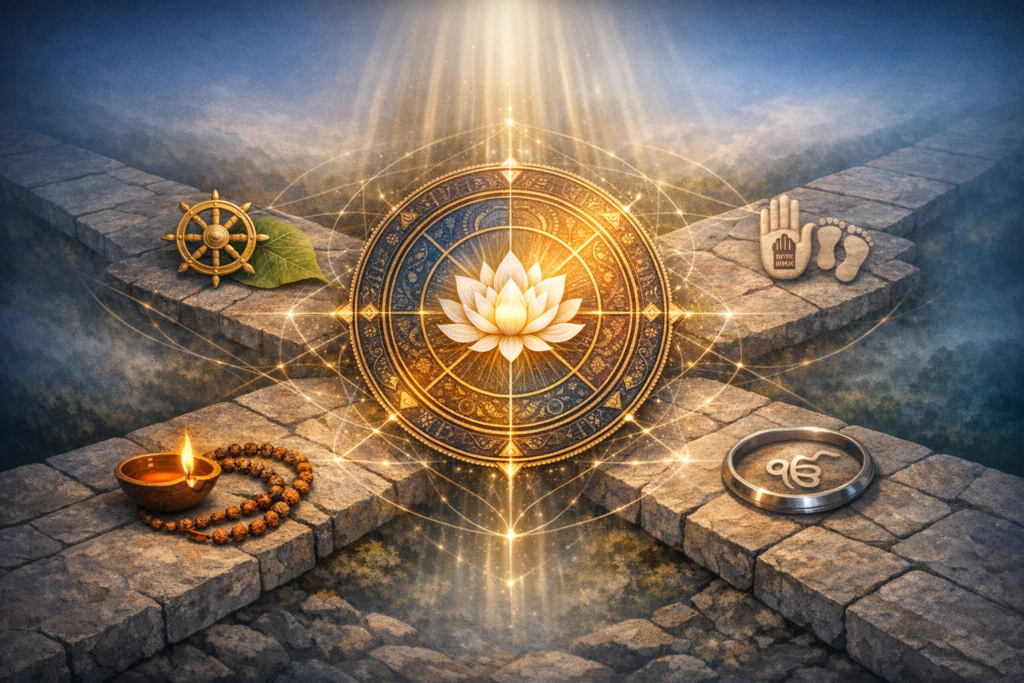
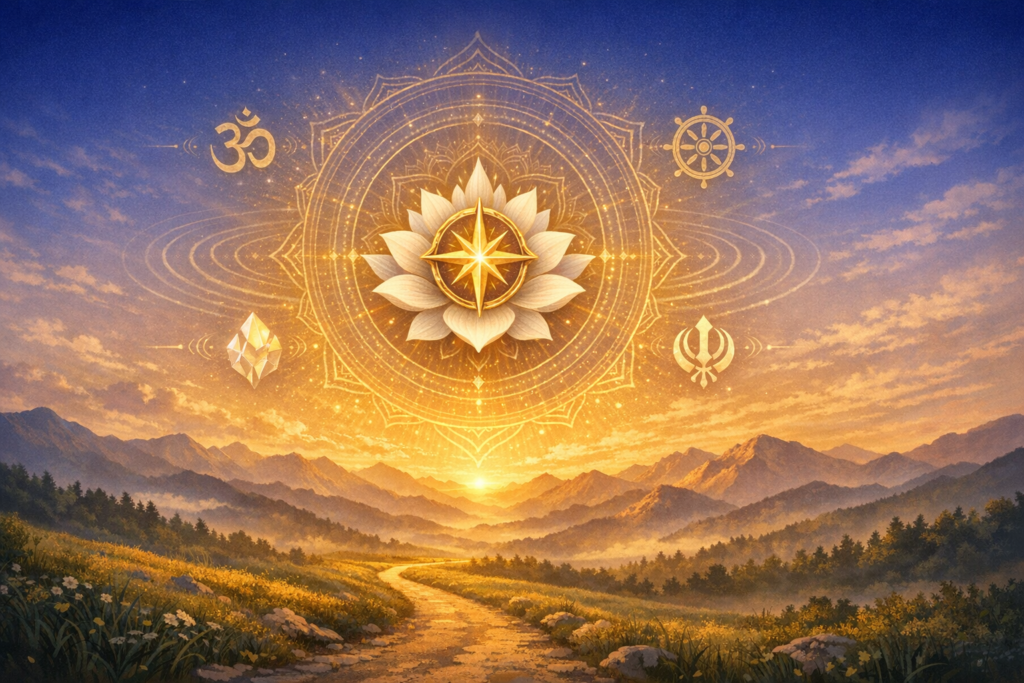
The celebration also illustrates unity in spiritual diversity across dharmic traditions. Sri Rama’s embodiment of dharma resonates with Sikhi’s seva and sat, with Buddhism’s karuna and mindful discipline, and with Jainism’s ahimsa and aparigraha. This shared ethos, framed by Vasudhaiva Kutumbakam, nurtures inter-tradition respect while honoring distinct liturgical languages.
From a cultural heritage perspective, Ram Navami and temple openings are high-density knowledge events: they transmit Sanskritic chant, regional melodies, attire, culinary practices, and ritual grammars across generations. Documentation, inclusive programming, and accessible pedagogy ensure that such festivals remain both historically grounded and future-ready.
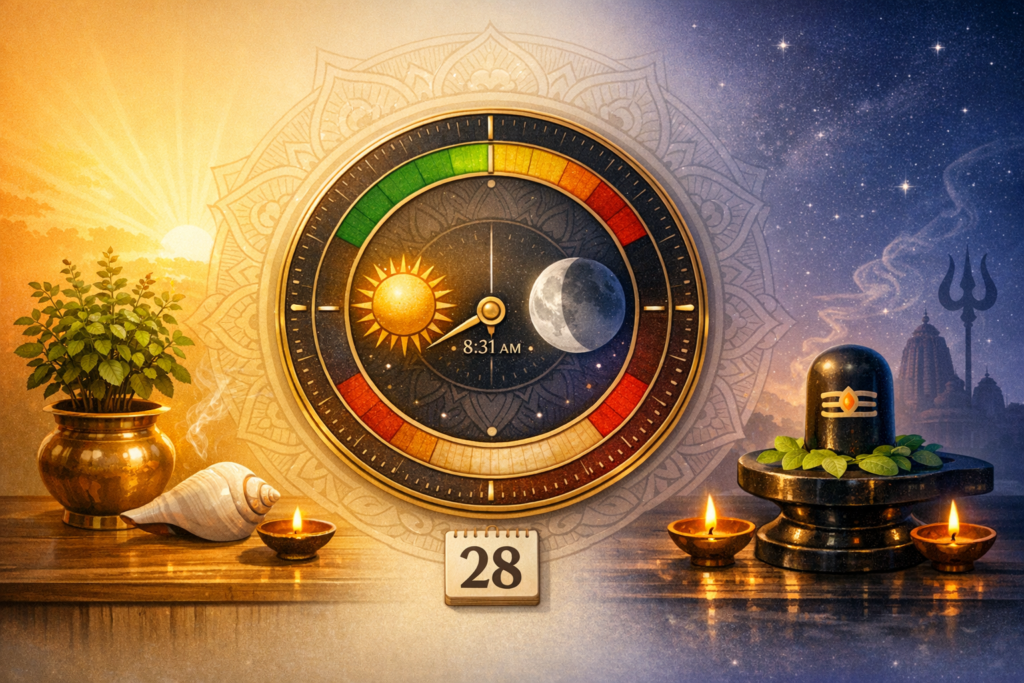
For those new to Panchang concepts, three anchors clarify scheduling: tithi (lunar day), vaara (weekday), and the sun’s position relative to the local meridian (informing Madhyahna). Temples prioritize the Navami tithi active during Madhyahna for Sri Rama’s appearance rites, an approach that balances astronomical precision with congregational feasibility.
Digital participation benefits from simple etiquette: minimize interruptions, maintain a sattvic atmosphere, and engage actively—sing, recite, or meditate with the stream rather than passively consuming it. This transforms ‘viewing’ into darshan and ‘hearing’ into sravana, preserving the relational core of bhakti.
Memories of Sri Sri Krishna Balram Mandir’s grand opening continue to animate Ram Navami each year. The recollections—of doors opening to first darshan, of arches draped in marigold, of a thousand hands rising in unison during aarti—operate as living commentary on scripture: they demonstrate how architecture, music, and community converge to disclose the sacred.
Observed thus, Ram Navami 2026 is both festival and framework: a renewal of commitment to dharma, a reaffirmation of unity in spiritual plurality, and a reminder that temples—physical and digital—exist to cultivate compassion, courage, and clarity in public life. In celebrating Sri Rama alongside Sri Krishna and Balarama, communities reaffirm a single current of bhakti flowing through many forms.
Inspired by this post on Dandavats.