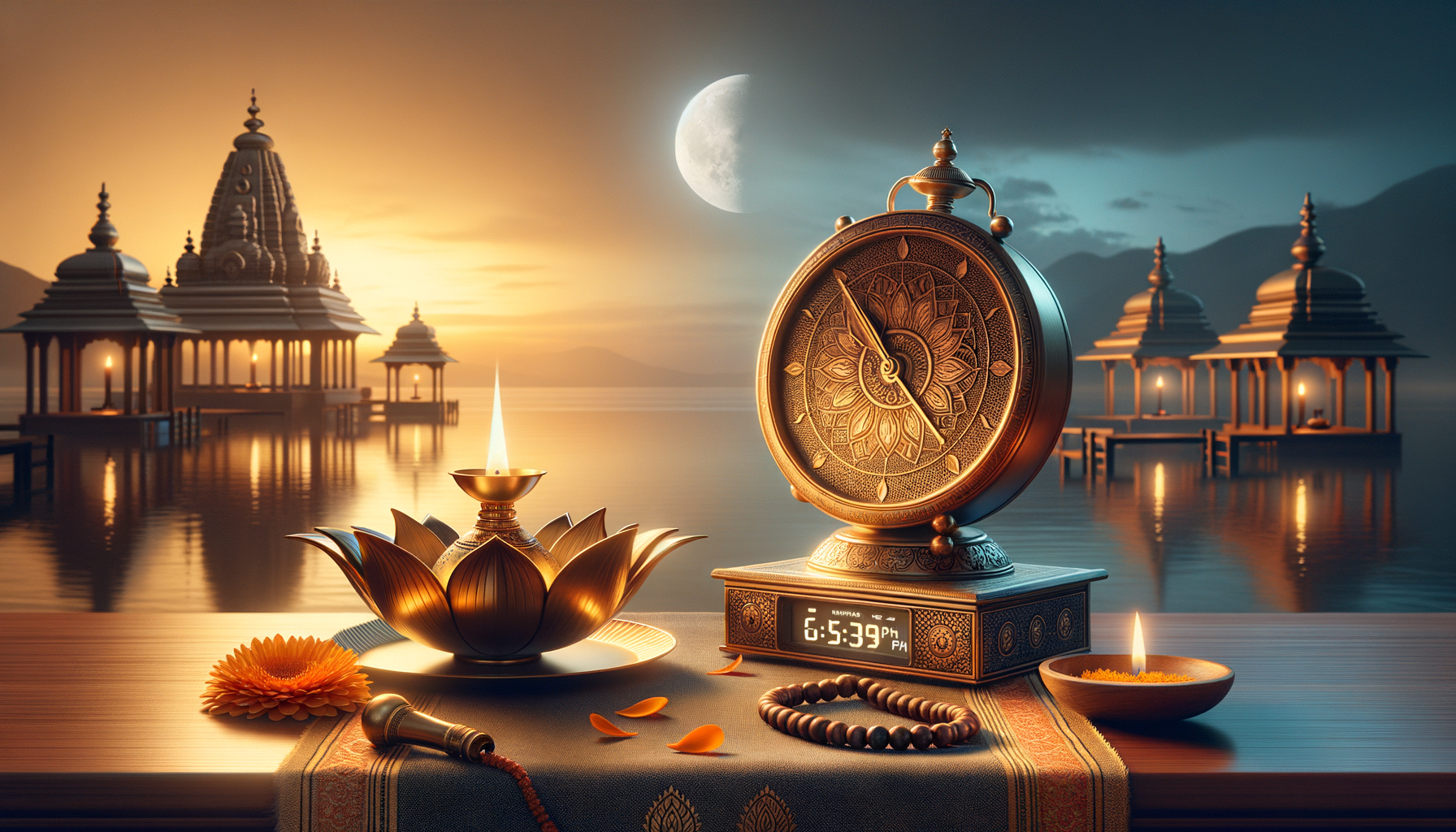
On Saturday, November 29, 2025, the Hindu calendar (Panchang) marks Shukla Paksha Navami, the ninth lunar day of the waxing phase, in most regions. This tithi prevails until 5:39 PM, after which Shukla Paksha Dashami begins and continues for the remainder of the day. These timings reflect the lunar progression that guides traditional observances across dharmic communities.
Shukla Paksha Navami is widely regarded as supportive of disciplined sadhana, contemplation, and steady progress in dharma. The interval favors vrata, japa, svadhyaya (scriptural reading), and quiet acts of daana aligned with compassion and truthfulness. Families and communities often use Navami to recalibrate intentions with clarity and humility, reinforcing values that resonate across Hinduism, Buddhism, Jainism, and Sikhismnon-harm, self-restraint, service, and inner awakening.
With the transition to Shukla Paksha Dashami from 5:39 PM onward, emphasis typically shifts toward consolidation and completion of tasks begun earlier in the fortnight. Dashami is traditionally considered conducive to bringing endeavors to a principled close, offering gratitude, and sustaining righteous effort (dharma-based action) in everyday life. Quiet worship of Sri Vishnu or Sri Rama, cultivating satya (truth) and karuna (compassion), and mindful reconciliation in relationships align well with the spirit of this tithi.
Those seeking a broadly auspicious period (often called “good time”) may consider customary windows like Brahma Muhurta (pre-dawn) for meditation and Sandhya (twilight) for prayers, while recognizing that precise muhurta selection depends on local Panchang calculations, Nakshatra, and Lagna/Rashi at one’s location. Because Nakshatra and Rashi can vary by region and time, consulting a trusted regional almanac or temple notice is recommended for specific ceremonies.
Simple, inclusive observances for the day can be thoughtfully adopted at home: lighting a deepa, reciting the Bhagavad Gita, chanting the Vishnu Sahasranama or a short mantra, practicing pranayama and dhyana, and engaging in acts of seva. Such practices nourish inner steadiness and communal harmony, reflecting unity-in-diversity cherished across dharmic traditions. Even modest gesturessharing food, forgiving past grievances, or supporting a local temple or community initiativecarry enduring merit when undertaken with sincerity.
Understanding how tithi changes occur enhances confidence in observance. A tithi ends the moment the angular distance between the Sun and Moon reaches its next 12-degree milestone, which is why transitions often happen at non-standard clock times (such as 5:39 PM on this date). This astronomical basis underpins the Panchang’s guidance on ritual timing and underscores why regional almanacs can report slight variations.
In summary, November 29, 2025 moves from Shukla Paksha Navami to Dashami, offering a balanced opportunity: first to cultivate focus and intention, and then to complete efforts with grace. Honoring the day with mindful discipline, gentle service, and shared goodwill fosters spiritual continuity and solidarity among Hindu, Buddhist, Jain, and Sikh communities, in harmony with the Panchang’s time-tested wisdom.
Inspired by this post on Hindu Blog.