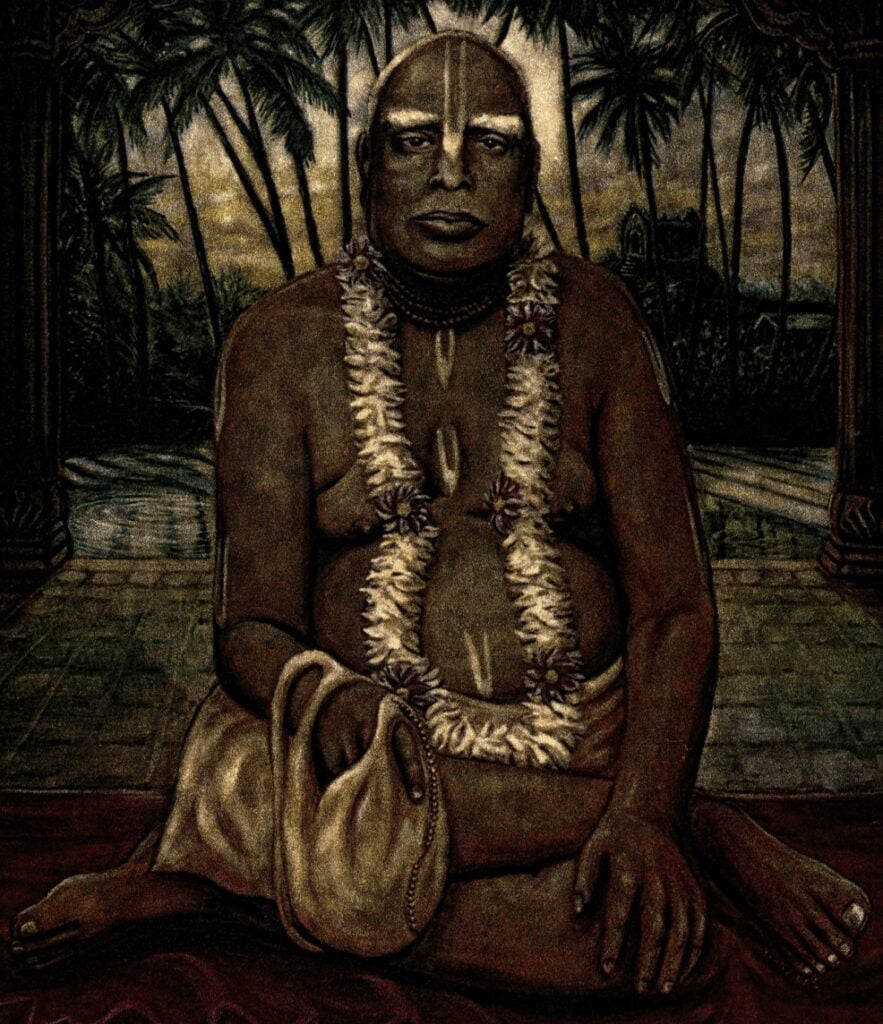
On the auspicious appearance day of Lord Nityananda, reflection turns to the enduring grace, compassion, and inclusive spirit associated with His life. Within the Gaudiya bhakti tradition, His message of mercy and kirtan-centered devotion functions as a bridge between historical memory and living practice. This commemoration affirms valueslove, humility, and servicethat resonate across dharmic paths, supporting unity in spiritual diversity and nurturing harmony among Hinduism, Buddhism, Jainism, and Sikhism.
Lord Nityananda appeared in Ekacakra dhama (often rendered as Ekachakra), a sacred landscape closely interwoven with the devotional geography of the Hare Krishna tradition. He was born to Hadai Ojha, a brahmana, and Padmavati, daughter of King Mukuta Roy. These familial details, preserved in devotional histories, situate His life within a lineage that devotees revere as both historically grounded and spiritually luminous.
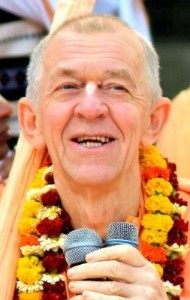
Contemporary pilgrim accounts note that guided visitssuch as those undertaken with HH Bhakti Nityananda Swami, a Bengali devotee familiar with regional sourceshave helped document specific sites around Ekacakra. Among them is the locale associated with King Mukuta Roy, traditionally remembered as Nityananda’s maternal grandfather and father-in-law. Although a saw mill now stands at that site, collective memory continues to sanctify the place, illustrating how sacred geography persists through community remembrance even amid modern change.
In Gaudiya Vaishnavism, Lord Nityananda is venerated as the compassionate counterpart to Sri Chaitanya, extending the path of bhakti to all without distinction. The practice of nama-sankirtanajoyful congregational chantingembodies this openness and accessibility. Such devotion, centered on the holy name and expressed through service (seva), offers a practical ethic of care that aligns with broader dharmic principles of nonviolence, compassion, and truthful living.
Observed as a key Hindu festival in many communities, the appearance day inspires kirtan, scriptural study, fasting, and charitable giving. These disciplines not only deepen personal spiritual insight but also cultivate social cohesion. By foregrounding empathy, mutual respect, and ethical conduct, the observance contributes to a culture of Religious Pluralism and unity within the wider tapestry of Indian spiritual traditions.
Ekacakra dhama therefore stands as more than a historical birthplace; it is a living convergence of biography, sacred memory, and practice. Remembering Lord Nityananda’s life on this day encourages devotees and seekers alike to engage bhakti with humility and inclusivitytranslating devotion into everyday kindness and reinforcing the shared ethical core that binds dharmic traditions together.
Inspired by this post on Dandavats.