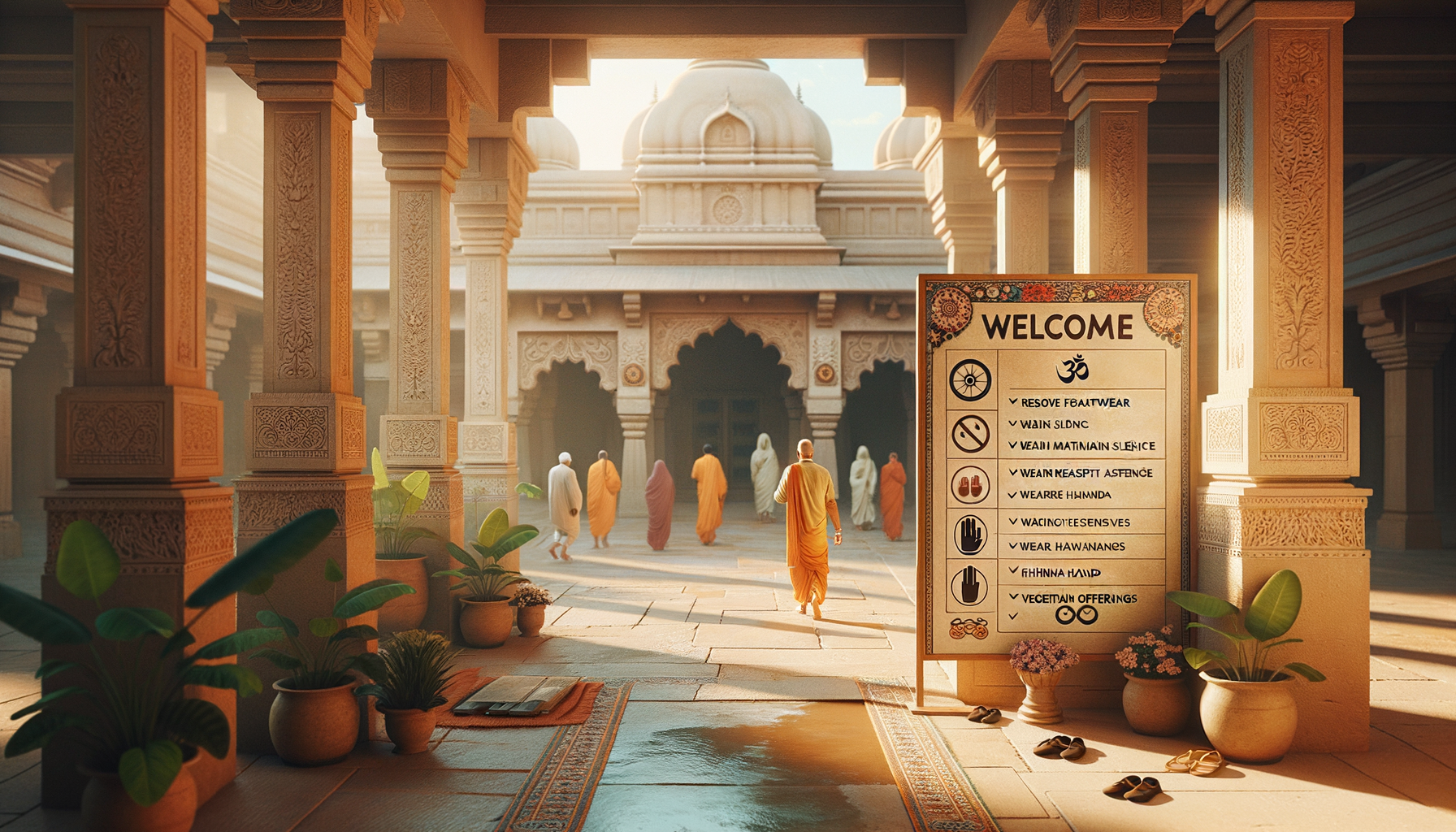
Mandir Mahasangh expressed support for the position taken by saints and Hindu organisations in Ujjain on temple entry norms, formalising this stance through a unanimously adopted resolution at its national-level workshop in Ponda, Goa. Framed as an effort to safeguard the sanctity of Hindu temples, the resolution emphasizes clear, compassionate guidelines that honor local customs while welcoming diverse devotees.
Positioned within the larger ethos of Sanatan Dharma and the shared civilizational values of Hinduism, Buddhism, Jainism, and Sikhism, the statement underscores respectful adherence to temple-specific practicessuch as observance around murti-puja protocols and sensitivity to dietary traditionsalongside dialogue and education. Rather than polarizing communities, the approach affirms unity in spiritual diversity and promotes religious harmony as a practical cornerstone of temple life.
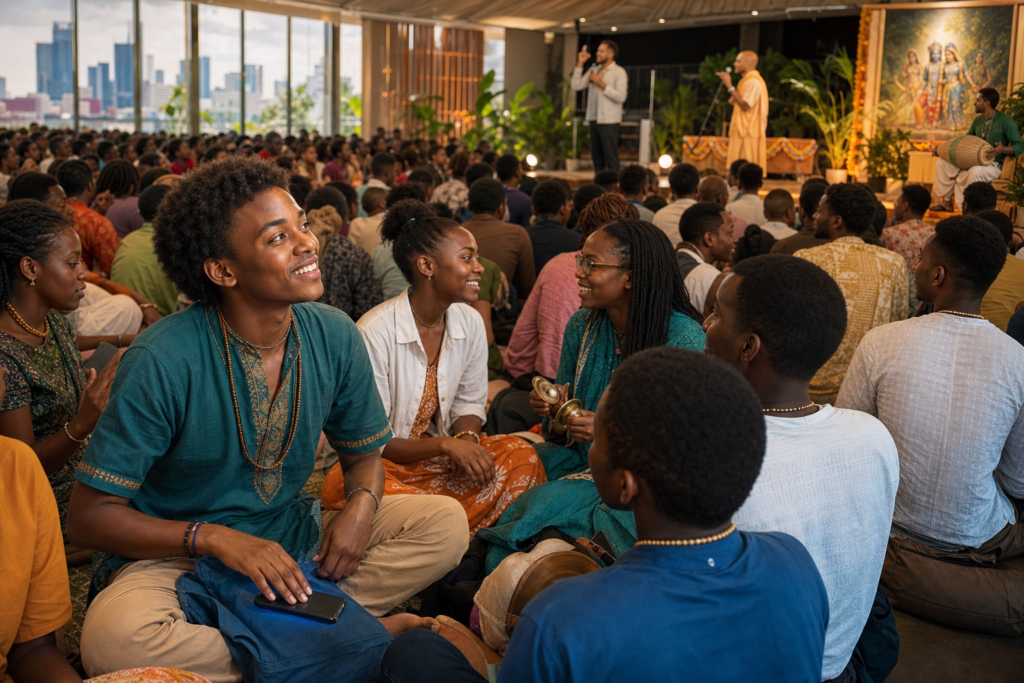
For many pilgrims and visitors, the serenity of darshan is enhanced when there is clarity about expected conduct. From Ujjain’s historic shrines to community temples nationwide, consistent and culturally rooted norms help ensure that worship spaces remain contemplative, safe, and inclusive. The Mandir Mahasangh resolution signals a constructive pathway: preserve sacred ambience without alienating those who may be unfamiliar with specific customs.
In addressing concerns about perceived exclusion, the resolution’s emphasis rests on compassionate guidanceclear signage, volunteer-led orientation, and outreach that explains the intent behind practices like murti reverence and traditional dietary observances associated with temple precincts. Such measures reduce misunderstanding, prevent avoidable friction, and foster a welcoming environment that aligns with the dharmic principles of ahimsa, mutual respect, and shared responsibility.
As temple administrators and community leaders translate the Goa resolution into practice, context-sensitive codes of conduct can be paired with opportunities for inter-tradition dialogue, ensuring that all who visitregardless of backgroundcan participate with humility and reverence. By centering unity, Mandir Mahasangh’s support for refined temple entry guidelines contributes to cultural heritage preservation, strengthens community cohesion, and offers a replicable model for sacred spaces across India.
Inspired by this post on Hindu Jagruti Samiti.