Kumbha Sankranti, also known as Kumbha Sankramanam, marks the Sun’s transition from Makara rashi (Capricorn) to Kumbha rashi (Aquarius). In 2026, Kumbha Sankranti falls on 13 February. It is the eleventh among the twelve Sankrantis and the penultimate solar transition in the Hindu solar year, which traditionally begins with Mesha Sankranti. This juncture is observed across regions as an auspicious threshold for reflection, charity, and disciplined practice.
Astrologically, the movement of the Sun into Kumbha rashi symbolizes a shift toward collective well-being, service, and knowledge-sharingqualities associated with Aquarius. Culturally and spiritually, the day is regarded as a time when acts of daana (charity), snana (ritual bath), japa (focused recitation), and Surya arghya (obeisance to the Sun) accrue special merit. Many households experience it as a quiet renewal, aligning daily routines with the rhythms indicated in the Hindu calendar and Panchang.
Regionally, Kumbha Sankranti inaugurates Kumbha masam in Malayalam calendars (Kumbham) and Masi masam in the Tamil calendar (Masi). In Kannada traditions, it marks Kumbha masa within the solar month cycle. These regional calendars preserve a shared civilizational timekeeping heritage while celebrating local customs, temple practices, and vratas unique to each linguistic community.
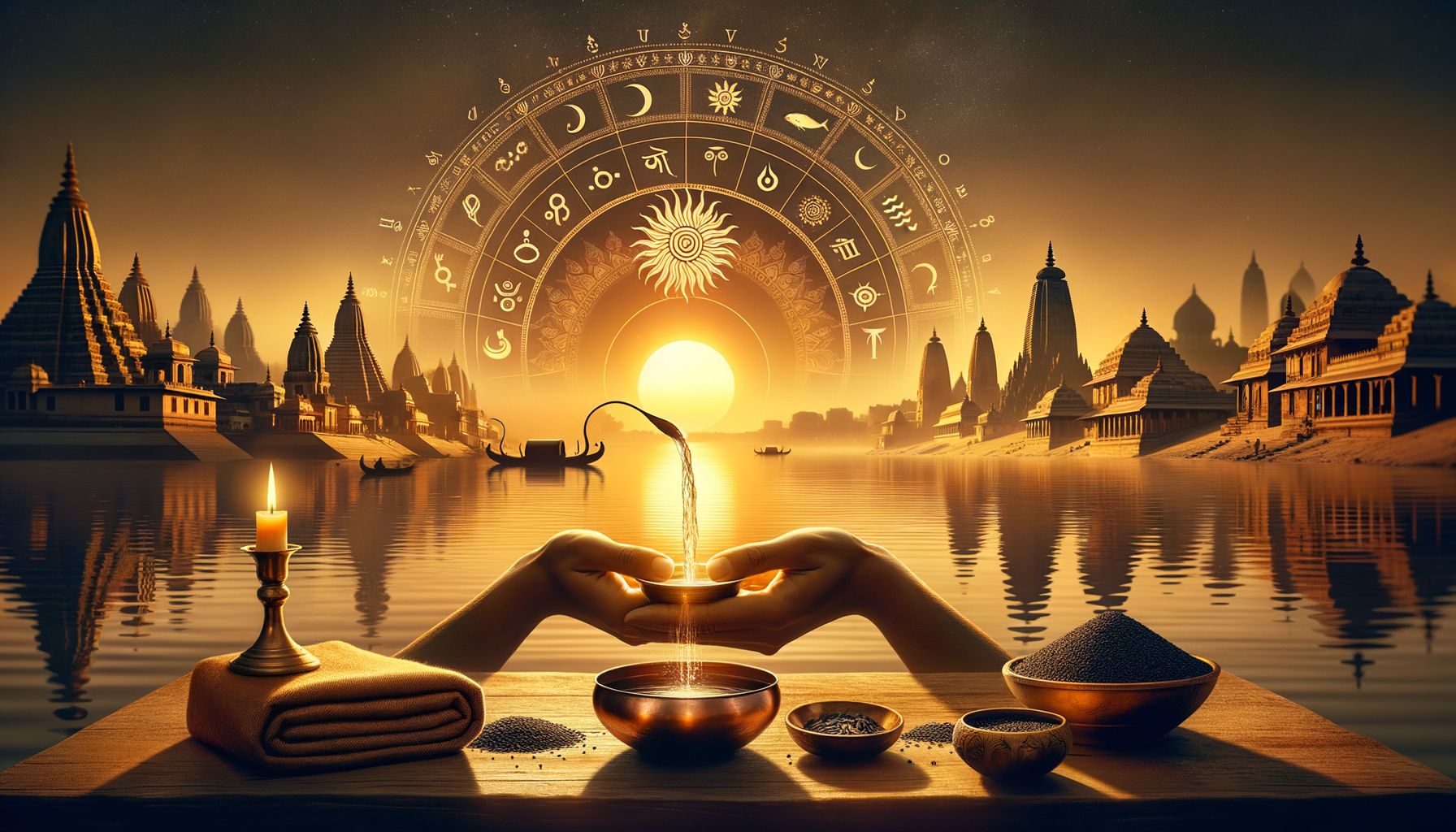
Common observances include early-morning snana, offering water to Surya, lighting a diya, and performing simple worship at home or in temples. Many also choose to give annadanam (food donation), distribute til (sesame) or warm garments, and recite hymns to Surya as a mindful expression of gratitude. Such practices are undertaken in a spirit of simplicity and steadiness, emphasizing inner clarity and auspiciousness over display.
Because Sankranti is defined by an exact solar ingress, observance is best timed using a local Panchang. Devotees often note the Sankranti moment and, where applicable, Punya Kala and Maha Punya Kala windows. As sunrise and time zones vary, checking a reliable Hindu calendar for one’s location ensures accurate and meaningful participation in the day’s vrata and puja.
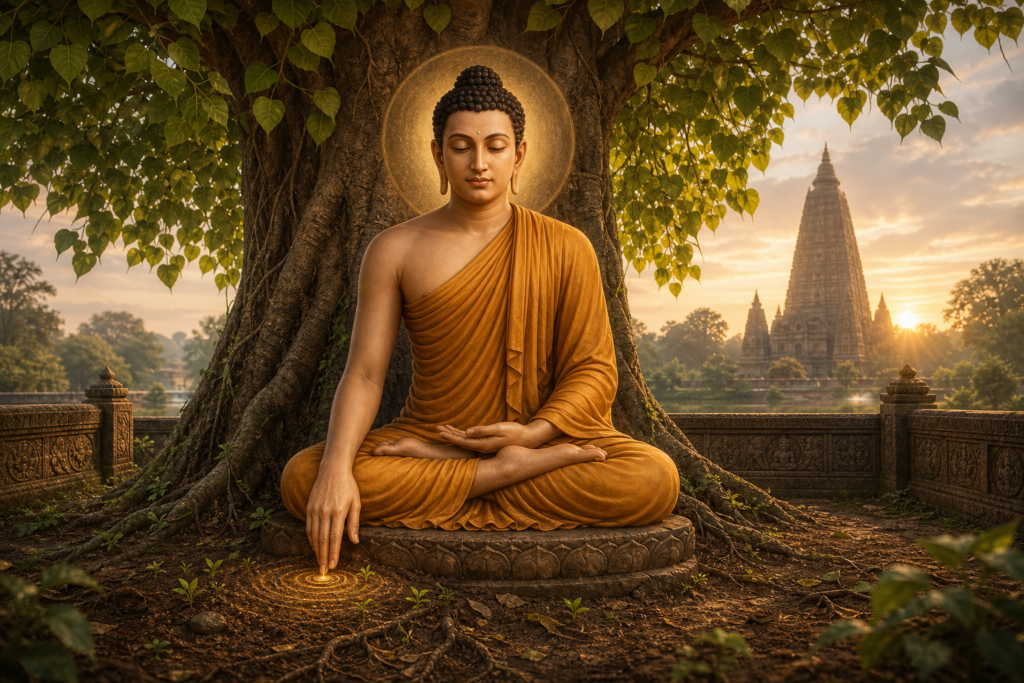
Beyond ritual detail, Kumbha Sankranti resonates with shared dharmic values found across Hindu, Buddhist, Jain, and Sikh traditionsself-discipline, compassion, truthfulness, and service. The Sun as a symbol of illumination and order underscores a unifying ethic: aligning daily conduct with light, clarity, and the welfare of all. Observed in this spirit, Kumbha Sankramanam becomes not only a calendrical marker but a collective reminder to cultivate harmony in society.
In summary, Kumbha Sankranti 2026 on 13 February invites a thoughtful balance of learning and service. By observing simple vratas, offering Surya arghya, and supporting those in need, participants attune personal intention to a broader civic and spiritual good. With attention to Panchang timing and respect for regional traditions, the day unfolds as an accessible, auspicious opportunity for inner renewal and community unity.
Inspired by this post on Hindu Pad.