Karva Chauth, also known as Karaka Chaturthi, is a significant Hindu festival observed primarily across North India. In 2025, Karva Chauth falls on October 10. This vrata (sacred fast) centers on devotion, self-discipline, and familial wellbeing, themes that resonate deeply within the broader dharmic ethos. The festival is widely referenced as the Karwa Chouth Festival in 2025 and remains one of the most anticipated observances in the Hindu calendar.
Traditionally, married womenand in some communities, those preparing for marriageobserve a day-long fast praying for the long life, health, and happiness of their spouses while aspiring to marital harmony (saubhāgya). Contemporary practice increasingly reflects shared commitment within households, with some couples choosing to fast together or support each other through allied devotional acts. This evolution underscores the festival’s enduring focus on mutual care and the unity of family life within the Hindu way of life.
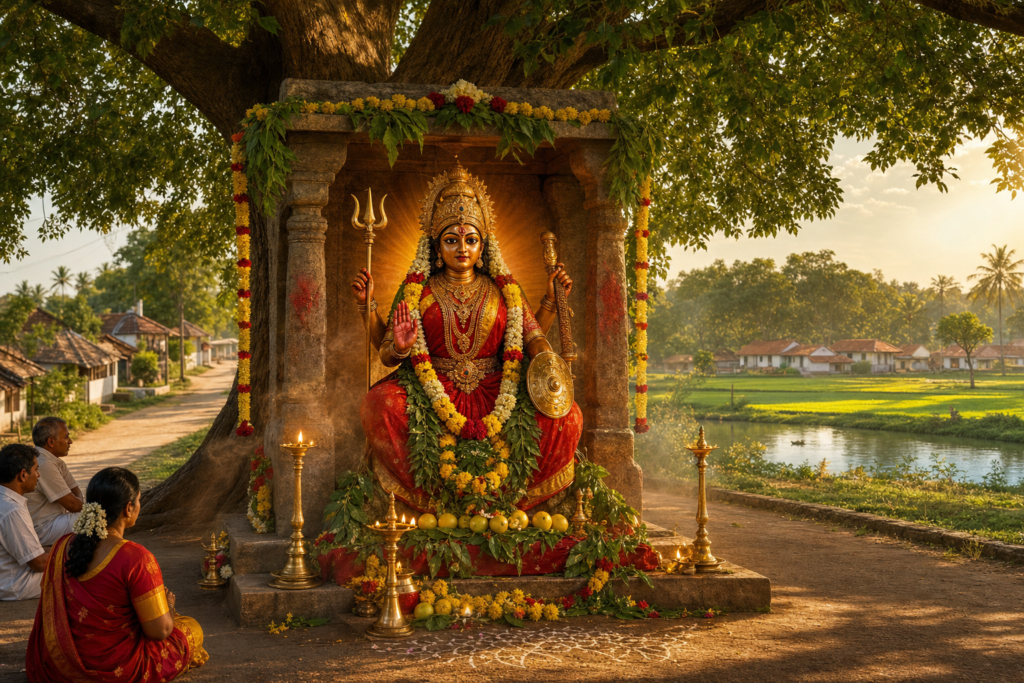
Karva Chauth rituals commonly begin before dawn with sargi, a nourishing meal traditionally offered by elders, followed by a nirjala or limited fast sustained through the day. Participants engage in evening pūjā and katha, adorn themselves with mehendi, and prepare a karva (earthen pot) as part of the ritual offerings. At moonrise, they offer arghya to Chandra (the Moon), sometimes viewing the moon through a sieve, and then break the fast with blessings from elders and shared family meals. These observances express devotion (bhakti), restraint (tapas), and gratitude, integrating faith with community bonding.
Geographically, Karva Chauth is most prominent in Punjab, Haryana, Delhi, Uttar Pradesh, Rajasthan, Himachal Pradesh, and parts of Madhya Pradesh. The festival has also expanded globally through the Indian diaspora, where communities adapt traditions to local contexts while maintaining the core ritual sequence and reverence. The shared experience of fasting, storytelling, and evening worship often strengthens intergenerational ties and neighborhood cohesion.
On the traditional Hindu lunisolar calendar, Karva Chauth occurs on the Krishna Paksha Chaturthi of the Kartik month in many regional reckonings. For 2025, calendrical calculations align this observance with October 10. This date provides a reliable reference point for families planning pūjā timings and community gatherings, even as local temple schedules may offer refined guidance for moonrise observances.
Beyond ritual form, the festival’s meaning is anchored in values shared across dharmic traditions: devotion, self-restraint, compassion within family life, and respect for elders. While Karva Chauth is specifically a Hindu observance, its emphasis on mindful living and relational responsibility reflects ideals appreciated across Hinduism, Buddhism, Jainism, and Sikhism. Framed this way, the festival contributes to social harmony and cultural continuity while honoring the diversity of spiritual practice.
Modern observance often integrates health-conscious and inclusive approaches. Those unable to maintain a full fast may choose moderated fasting, mantra japa, meditation, charitable giving (dāna), or service to elders as complementary disciplines. Families also adopt eco-aware practicessuch as using reusable lamps, natural mehendi, and minimal packagingto align celebration with environmental stewardship.
In essence, Karva Chauth 2025 (Karwa Chouth Festival in 2025) offers a complete framework of ritual, reflection, and togetherness. By combining traditional ritessargi, evening pūjā, moonrise offeringswith contemporary sensitivity to wellbeing and sustainability, participants affirm the festival’s enduring relevance. Observed with sincerity and balance, Karva Chauth strengthens household bonds, honors cultural heritage, and foregrounds the dharmic ideal of harmonious family life.