
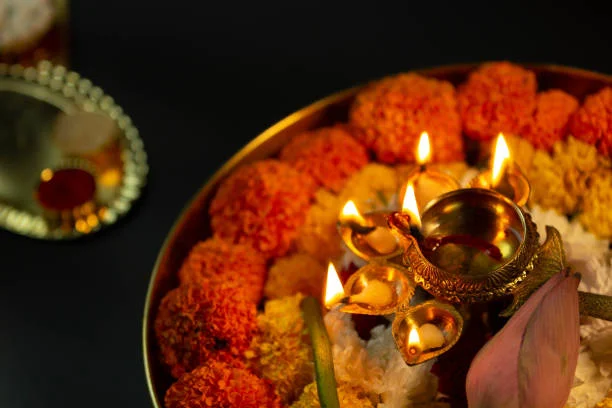
Hindu New Year, widely known as Nav Varsh, is not a single uniform festival but a family of regional observances rooted in the Hindu calendar, local memory, seasonal change, and inherited ritual practice. Across India and the global Hindu diaspora, it appears as Gudi Padwa in Maharashtra and among Konkani communities, Ugadi or Yugadi in parts of South India, Cheti Chand among Sindhi Hindus, and Bestu Varas in Gujarat. Each observance has its own vocabulary, foods, household rituals, and sacred associations, yet all express a shared civilizational intuition: time is not merely counted, it is renewed.
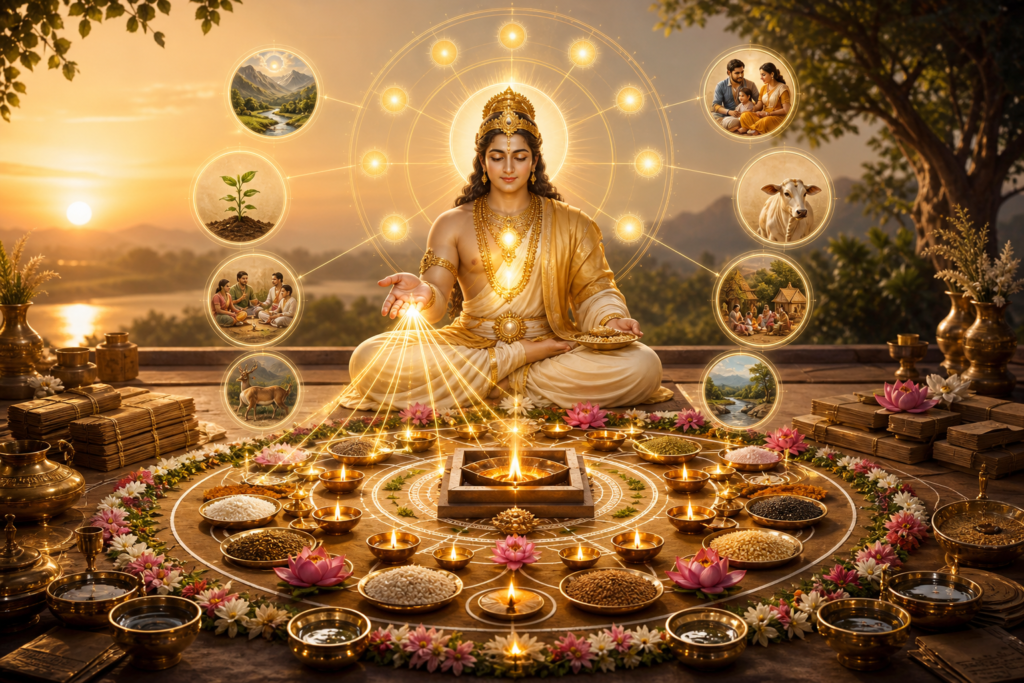
The emotional depth of Hindu New Year lies in the way it joins cosmic time with domestic life. A calendar calculation becomes a cleaned threshold, a decorated doorway, a lamp near water, a family meal, a visit to a temple, or the opening of a new account book. These practices make renewal visible and tactile. They allow families to begin the year not as an abstract date on a wall, but as a disciplined act of remembrance, gratitude, and hope.
Technically, many Hindu New Year observances are based on the lunisolar calendar, which tracks both the phases of the moon and the movement of the sun through the seasons. The first day of the bright fortnight, or Shukla Paksha Pratipada, in the month of Chaitra is especially significant for communities that observe Gudi Padwa, Ugadi, and related New Year traditions. Chaitra usually falls in March or April in the Gregorian calendar and is associated with spring, fresh growth, and the beginning of a new cycle of ritual time.
This calendrical system explains why the Hindu New Year does not always fall on the same Gregorian date. A tithi, or lunar day, is determined by the angular relationship between the sun and the moon, not by midnight-to-midnight clock time. As a result, local panchang traditions, geography, and sunrise rules can influence the exact observance in different places. In 2026, Gudi Padwa and Ugadi were observed on March 19 in many communities, and the same date also marked the beginning of Chaitra Navratri according to widely used festival calendars.
The panchang, the traditional Hindu almanac, gives this system its intellectual and ritual structure. It considers five elements: tithi, vara, nakshatra, yoga, and karana. Together, these factors help determine auspicious times, festival observances, vows, and household rituals. Hindu New Year therefore reflects a sophisticated view of time in which astronomy, agriculture, theology, ethics, and community life are interwoven.
Gudi Padwa, celebrated especially by Marathi and Konkani Hindus, is among the best-known Chaitra New Year festivals. Tradition associates the day with Bhagwan Brahma and the creation of the universe, while other regional memories connect it with victory, kingship, and the beginning of auspicious time. The festival takes its name from the gudi, a raised flag-like arrangement placed outside the home, often near a window, balcony, or entrance.
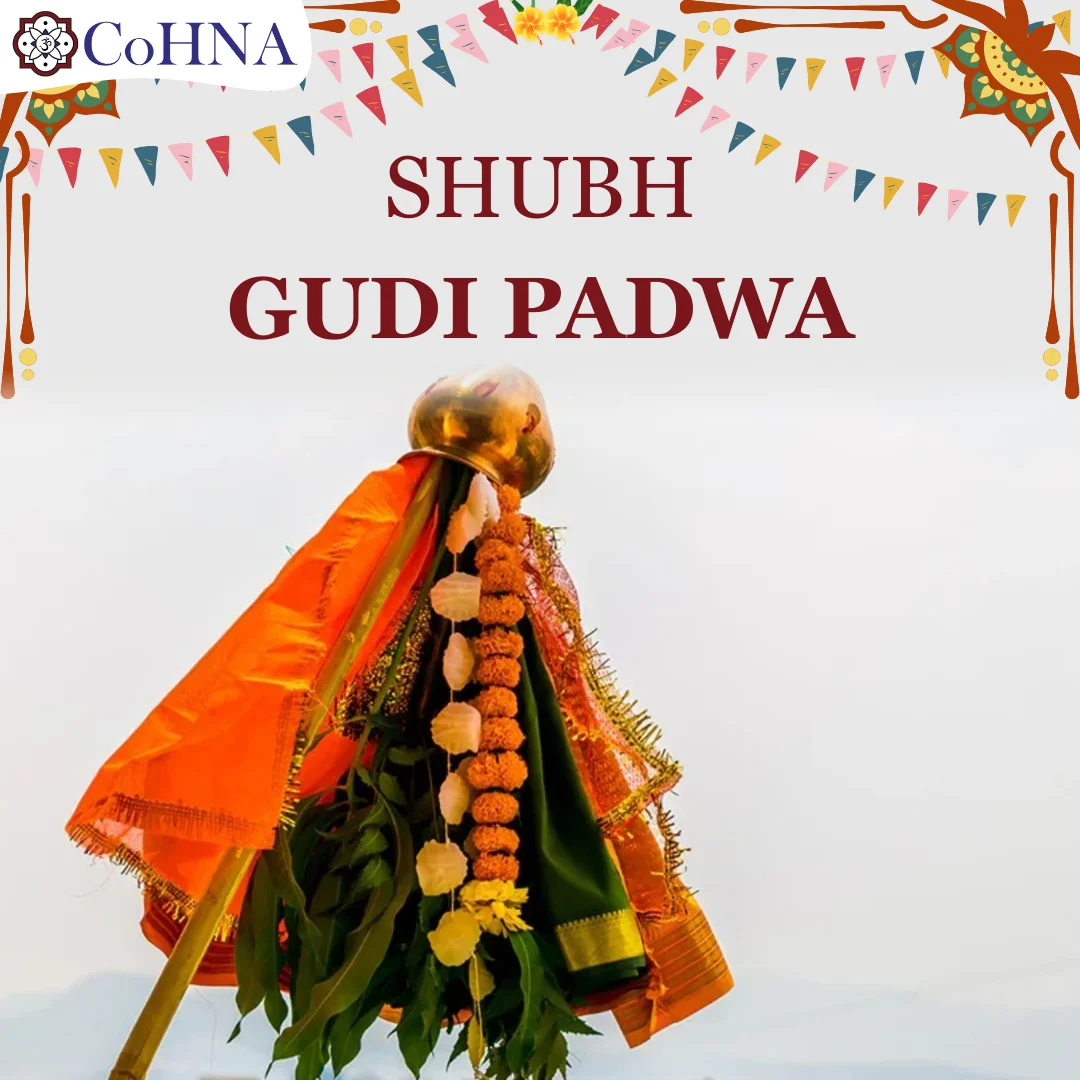
The gudi is typically made with a bright silk cloth tied to a bamboo staff, decorated with neem leaves, mango leaves, flowers, sugar garlands, and topped with an inverted silver or copper pot. It is also interpreted as the Brahmadhwaj, the flag of Brahma, and as a symbol of victory, prosperity, and protection. Its placement at the entrance of the household makes a profound statement: the new year is welcomed not passively, but with reverence, beauty, and an open invitation to auspiciousness.
Gudi Padwa rituals often include rangoli, household cleaning, prayers, festive clothing, temple visits, and special foods. Dishes such as srikhand and puran poli are associated with celebration, while mixtures involving neem and jaggery carry a more philosophical meaning. The bitter and sweet elements together remind the community that a year will bring joy and difficulty, gain and loss, clarity and uncertainty. The ritual does not deny hardship; it trains the mind to receive life in its fullness.
Ugadi, or Yugadi, is celebrated prominently in Andhra Pradesh, Telangana, and Karnataka, with related observances among other South Indian communities. The word is often explained through the Sanskrit roots yuga and adi, meaning the beginning of an era. This linguistic meaning is central to the festival’s spiritual force. Ugadi is not only the start of a calendar year; it is a disciplined opportunity to re-enter time with awareness.
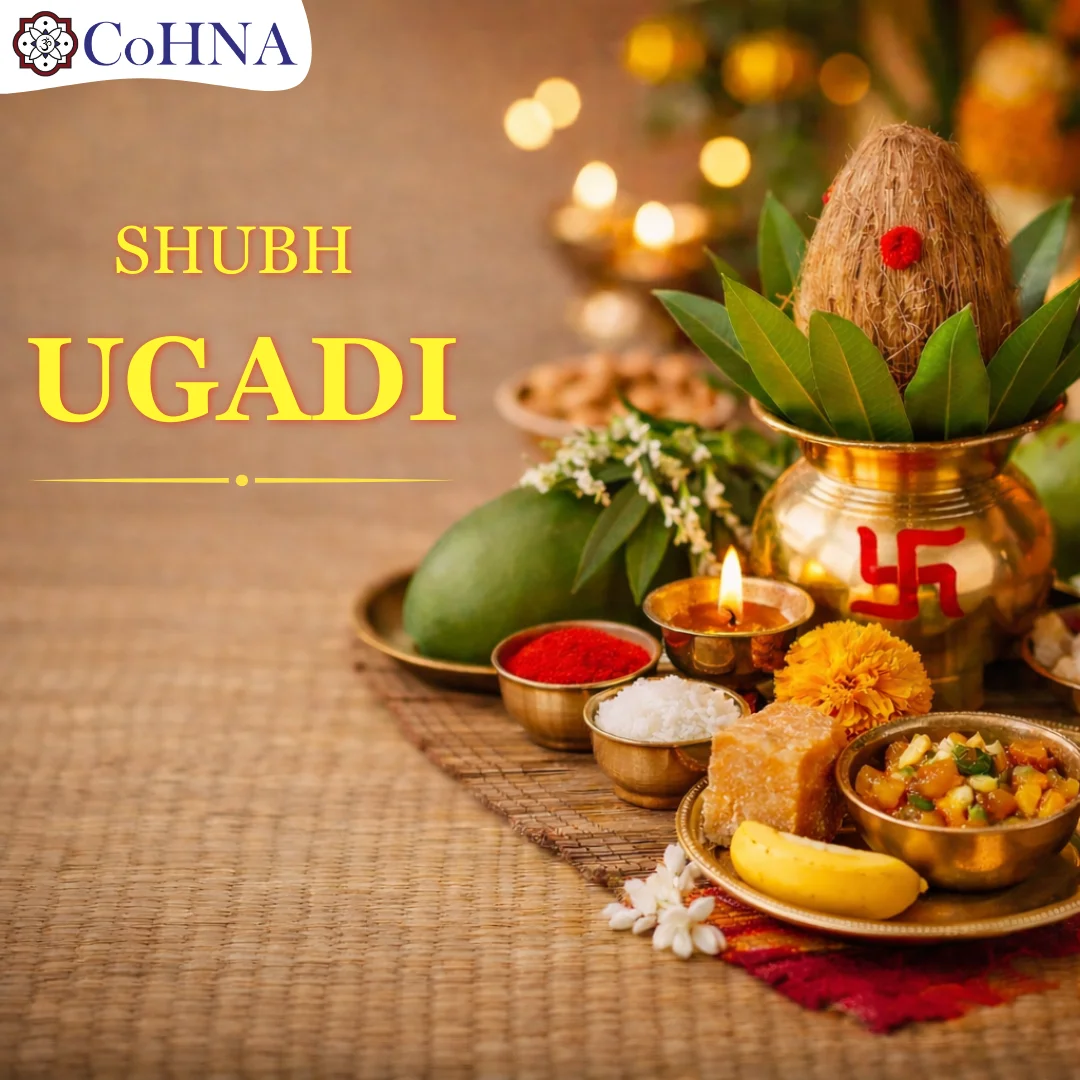
Ugadi celebrations commonly include Muggulu or rangoli designs, mango-leaf torana at doorways, oil baths, new clothes, charity, temple visits, and the preparation of Pachadi. Ugadi Pachadi is especially important because it combines multiple tastes, often including sweetness, sourness, bitterness, saltiness, spice, and astringency. This food is a compact philosophy of life. It teaches that wisdom lies not in expecting a year of uninterrupted pleasure, but in developing the steadiness to meet every experience with dharma.
The social dimension of Ugadi is equally important. Gifts, charity, and shared meals locate personal renewal within community responsibility. The festival reminds households that prosperity is incomplete unless it is linked to generosity. In this sense, the Hindu New Year is not merely about private fortune; it is also about social ethics, care for others, and the cultivation of gratitude.
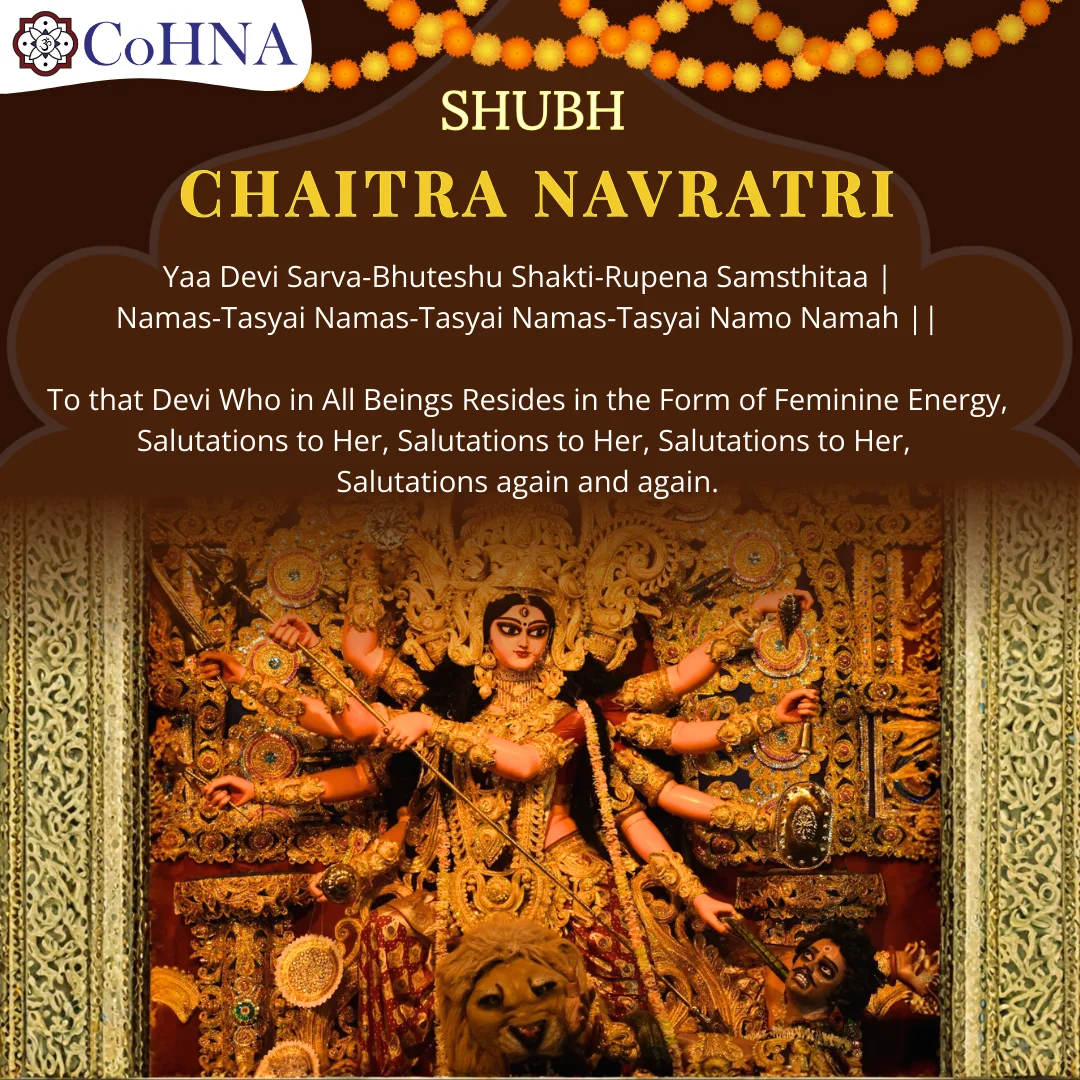
Chaitra Navratri often begins around the same time as Chaitra New Year observances. Dedicated to the worship of Goddess Durga in her nine forms, Chaitra Navratri deepens the spiritual atmosphere of the season. Where Gudi Padwa and Ugadi emphasize renewal, household auspiciousness, and the beginning of the year, Navratri adds tapas, devotion, fasting, and inner purification. The overlap is meaningful: the new year begins not only with celebration, but with discipline and worship.
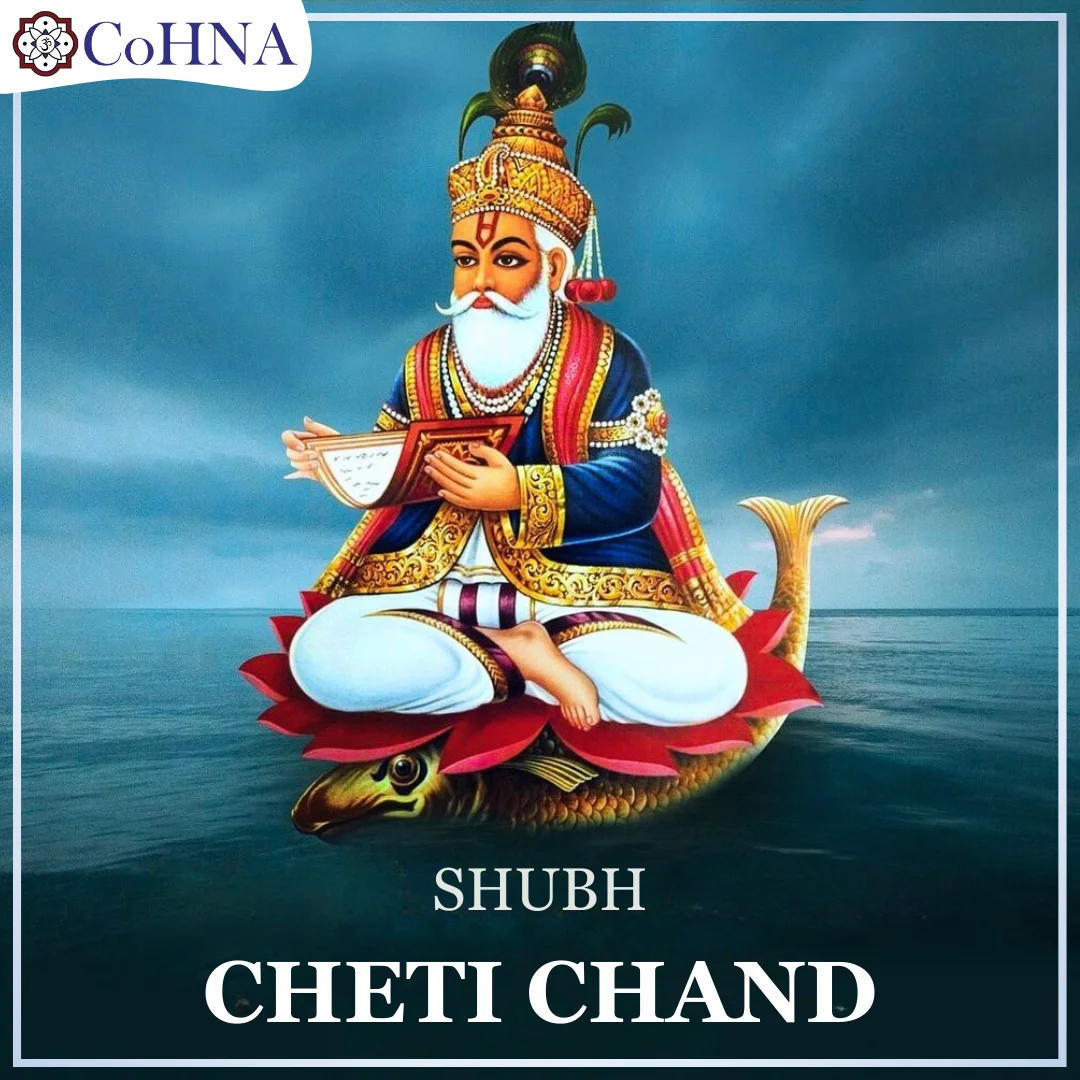
Cheti Chand, the New Year of Sindhi Hindus, carries a distinct devotional and historical memory. It is associated with the birth of Sai Jhulelal, revered as an Ishta Devata and remembered as a protector of the Sindhi community’s religious and cultural identity. The festival falls in the Sindhi month of Chet, connected with Chaitra, and it is celebrated by Sindhi communities in India, Pakistan, and the diaspora.
Cheti Chand observances often include processions, devotional singing, community gatherings, and the offering known as Behrana Sahib. This offering commonly includes an oil diya, cardamom, sugar, fruits, and Akho, and is taken to a river, lake, or other body of water in honor of Jhulelal’s association with water and divine protection. Five-wicked diyas, family feasts, and collective prayer create a public expression of continuity for a community that has preserved its traditions across migration and historical disruption.
The Sindhi celebration is especially moving because it shows how a New Year festival can also become an act of cultural preservation. In diaspora settings, Cheti Chand gives younger generations a living connection to language, food, devotion, and shared memory. It is not only a date remembered by elders; it becomes a bridge through which children encounter the story of their community and the dignity of religious freedom.
Not all Hindu communities begin the year in Chaitra. This diversity is a defining feature of Hindu tradition rather than a contradiction within it. In Punjab and parts of North India, Vaisakhi or Baisakhi carries agricultural, solar, and spiritual significance and is deeply meaningful across Hindu and Sikh communities. In Kerala, Vishu marks a solar New Year associated with Vishukkani, abundance, and auspicious sight. In Bengal, Poila Boishakh opens the Bengali calendar year, while Bohag Bihu in Assam celebrates renewal, agriculture, music, and community life.
Tamil communities observe Puthandu, also known as Tamil New Year, in mid-April. Like Vishu, it follows a solar reckoning linked to the sun’s movement into Mesha. These solar New Year festivals reveal another layer of Hindu calendar science. Some communities privilege the lunar month and tithi; others emphasize solar transition and seasonal alignment. Both approaches arise from the same wider Indic concern with harmonizing human life with cosmic order.
Gujarati Hindus traditionally celebrate Bestu Varas on the day after Diwali, on Kartik Shukla Paksha Pratipada. This timing gives the Gujarati New Year a distinct association with Lakshmi Puja, trade, wealth, account books, and ethical prosperity. The ritual of Chopda Pujan, in which new ledgers are opened and sanctified in the presence of Goddess Lakshmi, shows that economic life is not treated as spiritually separate from dharma. Wealth is welcomed, but it is ideally framed by responsibility, auspicious conduct, and gratitude.
Bestu Varas also illustrates how Hindu festivals often connect the sacred and the practical. Account books, business relationships, sweets, lamps, and visits to family or community spaces all become part of the same moral universe. The message is subtle but powerful: prosperity should begin with reverence, and commerce should be guided by ethical remembrance rather than mere transaction.
Across these traditions, the Hindu New Year expresses unity through diversity. The rituals are not identical, and they do not need to be. A gudi in Maharashtra, Pachadi in Telugu and Kannada homes, Behrana Sahib in a Sindhi procession, Vishukkani in Kerala, and Chopda Pujan in Gujarat all speak different ritual languages. Yet each language points toward renewal, gratitude, family cohesion, ethical living, and reverence for the sacred order of time.
This pattern also resonates with the broader family of Dharmic traditions. Hinduism, Buddhism, Jainism, and Sikhism each maintain distinct theologies, histories, and practices, yet they share a civilizational respect for discipline, compassion, ethical action, community responsibility, and the possibility of inner transformation. New Year observances across the Indic world often become opportunities for self-examination, generosity, remembrance, and recommitment to a life aligned with higher values.
For Hindu communities outside India, Nav Varsh carries an additional layer of meaning. In North America, Europe, Africa, Southeast Asia, the Caribbean, and elsewhere, these festivals help families preserve cultural continuity in multilingual and multicultural societies. A child who sees a gudi raised on a balcony, tastes Ugadi Pachadi at home, joins a Cheti Chand procession, or watches elders perform Chopda Pujan receives more than information. The child receives a lived grammar of belonging.
The enduring strength of Hindu New Year lies in this combination of technical precision and emotional warmth. It is at once calendrical, theological, agricultural, social, and domestic. It teaches that time is cyclical but not repetitive, because each return offers a fresh opportunity for refinement. The year begins again, but the person and the community are invited to begin with deeper awareness.
In that sense, Hindu New Year is a celebration of continuity without stagnation. It honors ancestors, texts, temples, local customs, seasonal rhythms, and family memory, while also allowing each generation to interpret renewal in its own circumstances. Whether called Nav Varsh, Gudi Padwa, Ugadi, Cheti Chand, Bestu Varas, Vishu, Puthandu, Poila Boishakh, or Baisakhi, the festival affirms a shared commitment to begin again with humility, courage, gratitude, and dharma.
Sources consulted for calendar and festival context include the original source page at https://cohna.org/hindu-new-year/, public 2026 festival reporting on Gudi Padwa, Ugadi, Cheti Chand, and Chaitra Navratri, and standard reference material on the Hindu lunisolar calendar, Chaitra, Gudi Padwa, Ugadi, and Indian New Year observances.
Inspired by this post on CoHNA.






Leave a Reply
You must be logged in to post a comment.