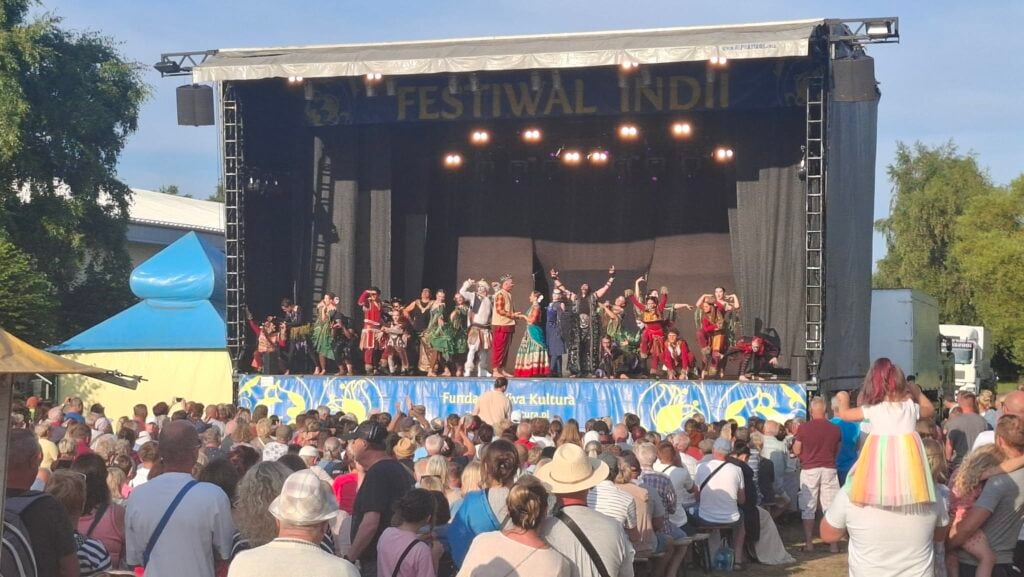
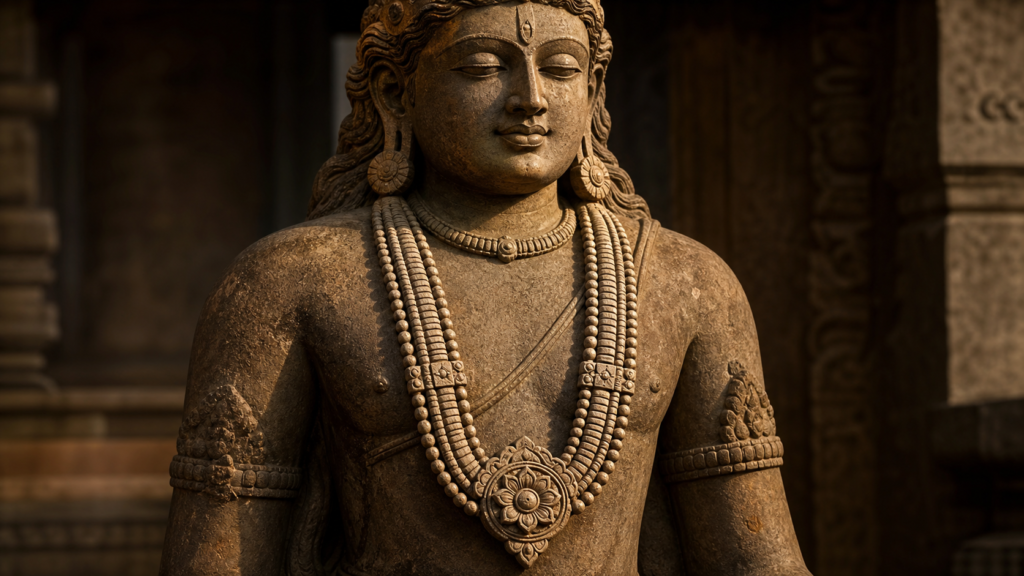
The School of Bhakti hosted a contemplative New Year’s Eve celebration in the Haveli, creating a warm, devotional atmosphere in which culture, community, and chanting formed the heart of the evening. Framed by the serenity of the temple setting, the gathering offered a meaningful way to welcome the yearrooted in timeless practices and a shared ethos of service, harmony, and inner renewal.
Participants from diverse backgrounds came together in a spirit of inclusivity that reflected the unity of dharmic traditions. The event emphasized values common to Hinduism, Buddhism, Jainism, and Sikhismcompassion, mindfulness, ethical living, and reverence for the sacreddemonstrating how spiritual plurality can coexist within a shared cultural home. The result was a palpable sense of belonging that strengthened community bonds.
Chanting and kirtan shaped the evening’s rhythm. The call-and-response flow of sacred names and bhajans invited stillness, focus, and collective uplift, enabling attendees to transition from the year’s busyness to moments of introspection and gratitude. Devotional chanting, a practice central to bhakti, also resonated with allied pathways such as japa, nām-simran, and metta-based recitations, underscoring a shared heritage of sound, remembrance, and mindfulness.
Across dharmic lineages, the power of voice and breath has long been a bridge to inner clarity. In that spirit, the Haveli’s celebration highlighted how music, mantra, and community singing nurture both personal well-being and social cohesion. Many observed a quiet transformation as collective voices gathered strengthan experience often described as peaceful, centering, and emotionally restorative.
The cultural setting added depth to the devotional experience. The Haveli’s ambiancesoft lighting, sacred iconography, and gentle movement of the congregationencouraged reflective participation rather than performance. Moments of silence between chants allowed space for intention-setting, remembrance of teachers, and prayers for the welfare of all beings.
Community interaction remained integral throughout. Conversations before and after the kirtan fostered intergenerational exchange, while shared prasadam strengthened a sense of togetherness. The celebration thus functioned as both a cultural practice and a civic good: a setting where ethical commitments such as seva, mutual respect, and unity in diversity could be felt, not merely discussed.
By centering culture, community, and chanting on New Year’s Eve, the School of Bhakti demonstrated how devotional gatherings can provide accessible, uplifting, and inclusive spaces for all who seek meaning. The evening offered a gentle reminder that spiritual traditions flourish when practiced collectively, and that the new year can be welcomed with clarity, gratitude, and a shared resolve to uphold harmony across dharmic paths.
Inspired by this post on Dandavats.