Champa Sashti is a six-day observance in Maharashtra marking the triumph of Lord Khandoba over the demons Mani and Malla. In 2025, the festival begins on November 21 (Shukla Paksha Pratipada) and culminates on November 26 (Sashti) in the Margashirsha Month. Deeply rooted in regional tradition and pan-Indian dharmic values, the festival blends historical memory, communal devotion, and living heritage.
Anchored in the Hindu lunar calendar, Champa Sashti runs from Shukla Paksha Pratipada to Sashti in Margashirsha. For 2025, these dates align with November 21–26, offering a clear window for devotees to plan fasting, temple visits, and family observances. The ritual sequence preserves continuity with earlier generations while remaining accessible to contemporary practitioners.
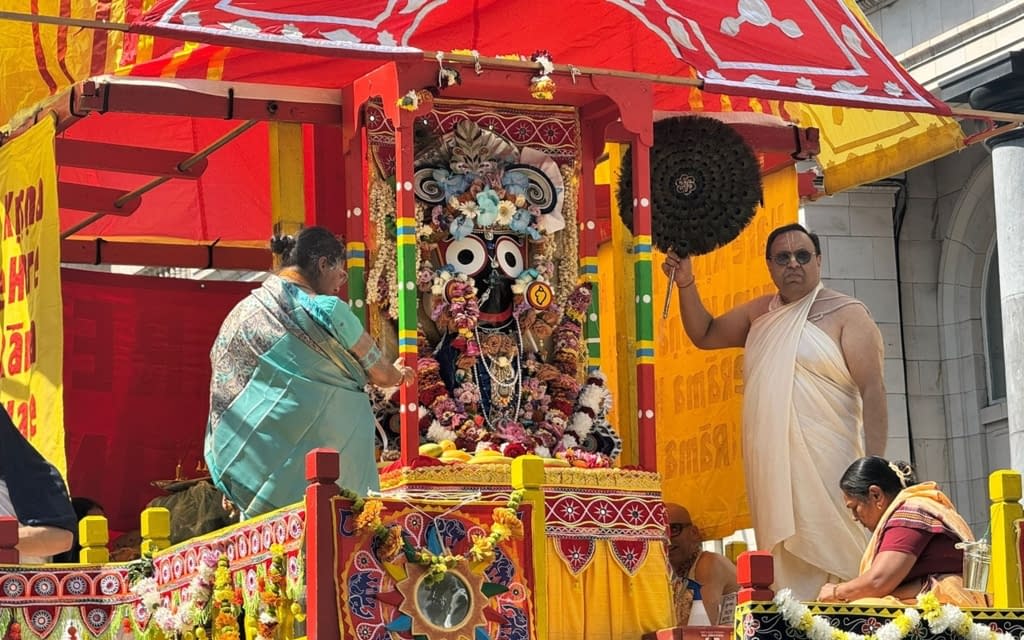
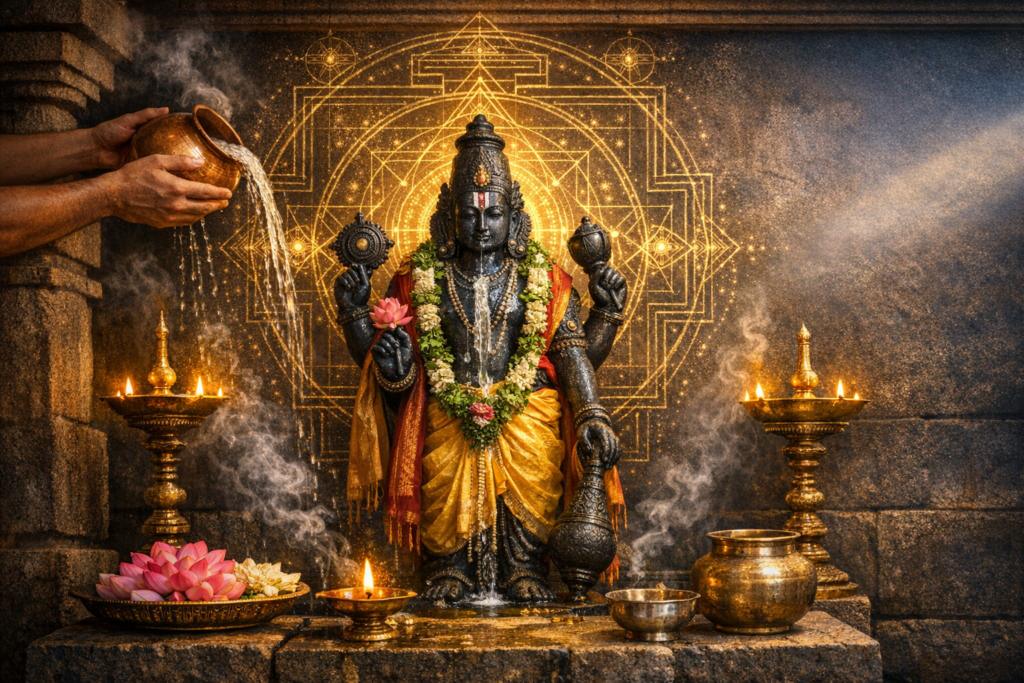
Across Maharashtra—especially around the renowned Khandoba shrines such as Jejuri—devotees observe vrata (fasting), perform abhishekam and aarti, and chant mantras honoring this powerful form of Shiva. Community bhajans, lamps lit at dusk, and family gatherings create an atmosphere of collective reverence. The final day, Sashti, is associated with prayers for protection, moral courage, and the well-being of families and communities.
Beyond ritual practice, Champa Sashti carries cultural significance for agrarian and urban communities alike. The festival reinforces gratitude for sustenance, mutual support, and the safeguarding of heritage spaces such as local temples and sacred sites. It also serves as a social anchor, drawing diverse groups together in shared devotion and cultural continuity.
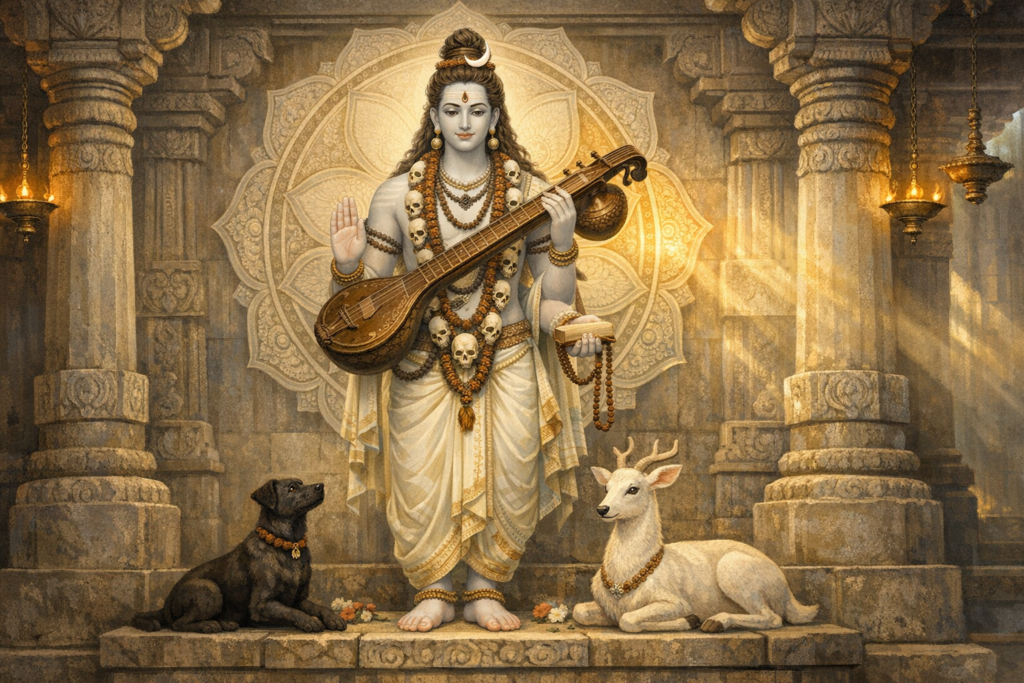
Spiritually, the narrative of Lord Khandoba’s victory over Mani and Malla symbolizes dharma prevailing over adharma. Its core virtues—courage, compassion, discipline, and integrity—resonate across dharmic traditions of Hinduism, Buddhism, Jainism, and Sikhism. This inclusive ethos highlights a common moral horizon: inner transformation through ethical conduct and service to others.
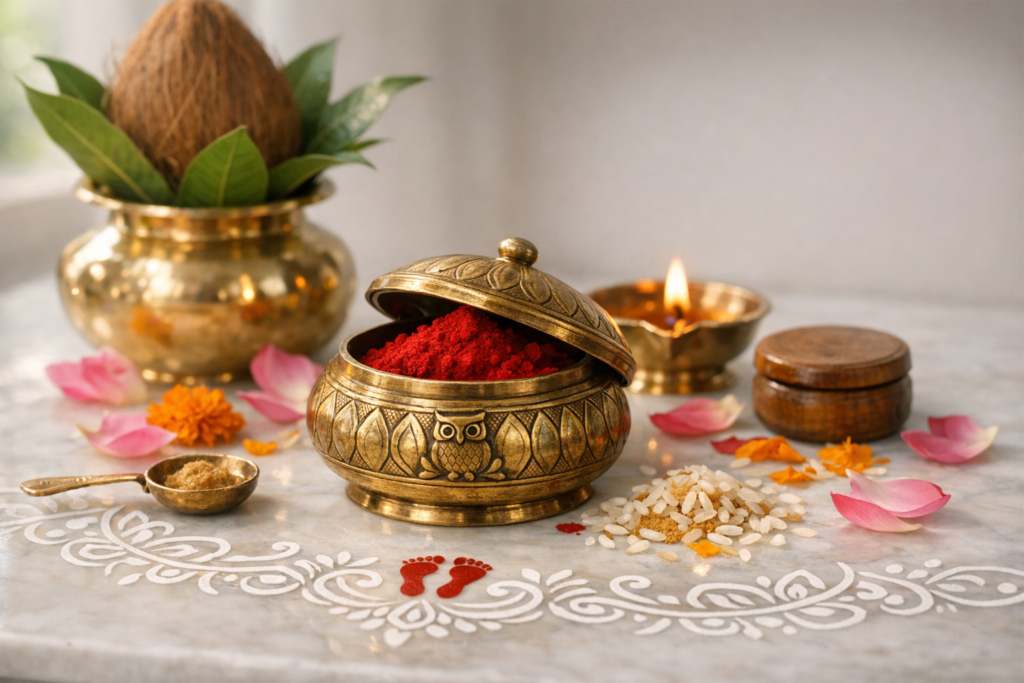
Many households observe the six days with simple, sustainable practices: maintaining a sattvic diet, offering flowers and diyas, reading or listening to the legend of Mani and Malla, and engaging in daan (charity). Quiet moments of reflection or japa complement temple worship, allowing participants to combine personal contemplation with communal devotion.
For those visiting temples, early morning darshan, mindful participation in crowds, and respect for local customs uphold the spirit of the occasion. Eco-conscious observances—using reusable puja materials and minimizing waste—align with the festival’s reverence for life and responsibility toward the community.
Champa Sashti 2025 thus offers six sacred days to renew commitment to dharma, strengthen family bonds, and celebrate cultural unity. Observed from November 21 to November 26, it invites devotees and cultural enthusiasts to experience Maharashtra’s living heritage while embracing values that foster harmony across India’s dharmic traditions.
Inspired by this post on Hindu Pad.