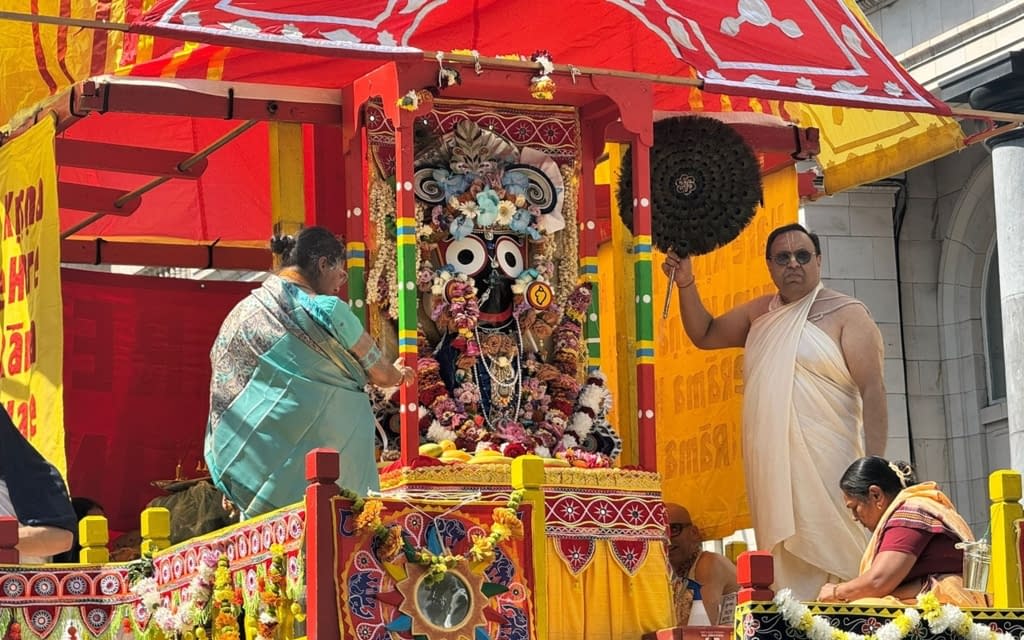
Akhanda Dwadashi, also known as Dwadasha Aditya Vratam and Margasira Dwadasi Vratam, is observed on the Dwadashi tithi of the bright fortnight (Shukla Paksha) during the Margashirsha month of the Hindu calendar. In 2025, Akhanda Dwadashi falls on 2 December. Rooted in the Vaishnava tradition and dedicated to Sri Krishna—an incarnation of Vishnu—this vrata honors continuous, unwavering devotion to the Divine.
The term “Akhanda” conveys a sense of unbroken continuity. Many lineages describe the observance as unfolding in three phases over a year, emphasizing steady spiritual practice rather than a single-day ritual. In this perspective, Akhanda Dwadashi becomes a disciplined journey that reinforces inner resolve, ethical living, and devotion (bhakti), aligning personal conduct with dharma.
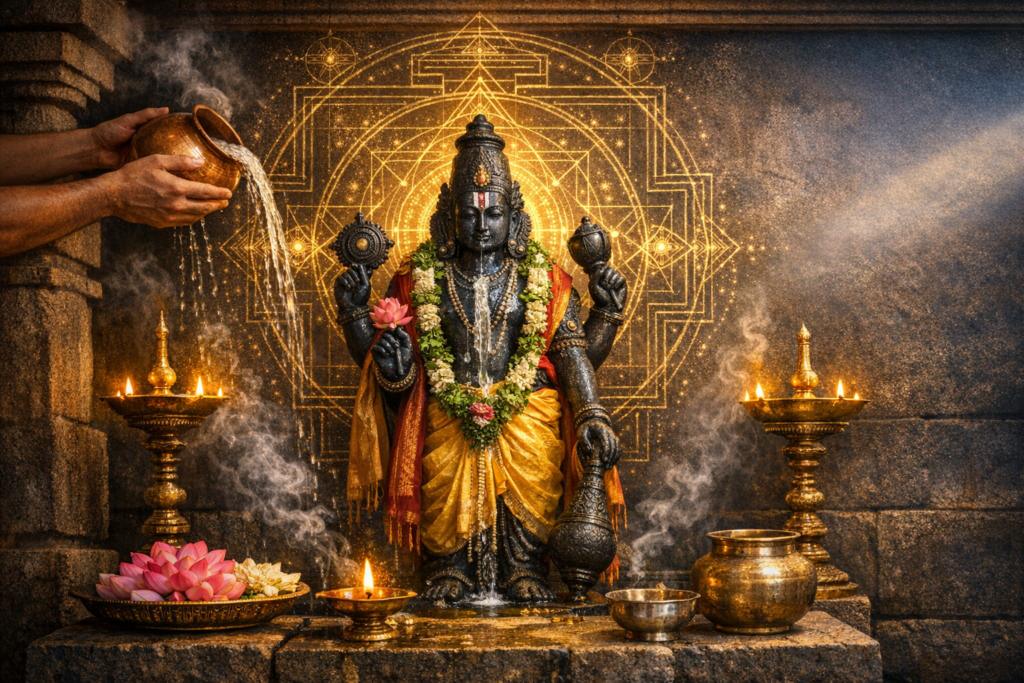
Typical observances include upavasa (fasting), simple satvik meals where appropriate, Krishna puja with tulsi offerings, the recitation of divine names, and quiet contemplation or bhajans. Families and communities often adapt the vrata to local customs, with some focusing on temple darshan while others emphasize home worship. This flexibility reflects the broader inclusivity of Hindu practices while encouraging mindfulness and self-restraint.
Devotees frequently note that the gentle atmosphere of lamp-lighting, chanting, and remembrance of Sri Krishna fosters calm, gratitude, and clarity. Many experience the vrata as an opportunity to practice compassion and service (seva), such as sharing food, contributing to community kitchens, or supporting those in need. These expressions of kindness deepen the sense of unity that spiritual festivals are meant to cultivate.
Although Akhanda Dwadashi is particularly cherished in Vaishnava households, its core values—discipline, devotion, compassion, and self-awareness—resonate across dharmic traditions, including Buddhism, Jainism, and Sikhism. By encouraging ethical action, inner balance, and respect for diverse paths, the observance upholds the spirit of unity in spiritual diversity that is central to the subcontinent’s living heritage.
For those planning to observe Akhanda Dwadashi 2025, noting the date—2 December—supports timely preparation in alignment with the Hindu calendar. Local panchang guidelines can help refine specific timings and regional practices. Approached with sincerity and steadiness, this vrata transforms daily life into a continuous act of remembrance, guiding practitioners toward inner peace and communal harmony.
Inspired by this post on Hindu Pad.