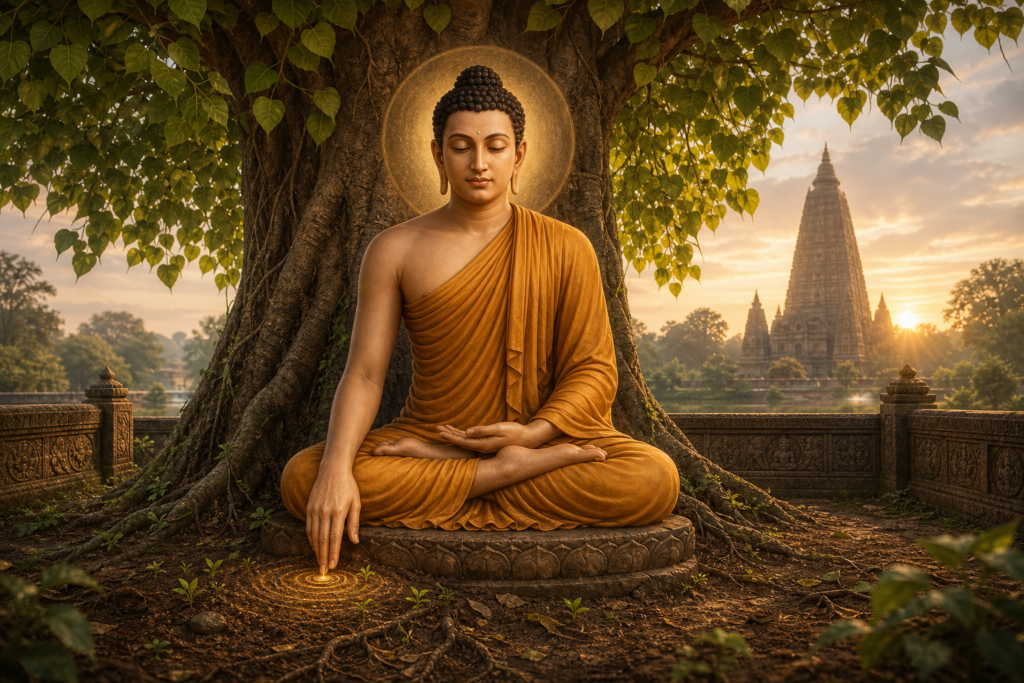
Aippasi Masam, the seventh month in the Tamil Calendar, spans 18 October to 16 November in 2025 and is observed widely in Tamil Nadu, Pondicherry, and Tamil-influenced regions of Sri Lanka. Rooted in the solar cycle, Aippasi aligns with the Sun’s transit through Tula (Libra) and naturally bridges late monsoon rains with the seasonal turn toward festival light and renewal.
Tradition places Aippasi at the heart of Tamil culture, where homes, temples, and community spaces prepare for a cycle of worship, gratitude, and service. The atmosphere is contemplative yet celebratory, as families balance inward discipline with outward expressions of compassion through acts of charity and community care.
Aippasi is devoted especially to Lord Shiva and Lord Murugan, reflecting a synthesis of devotion, valor, and inner purification that characterizes this month. Temples dedicated to these deities witness increased visits for abhishekam, archana, and recitation of stotras, while devotees undertake vrata observances to cultivate clarity, restraint, and benevolence.
Skanda Sashti, a central observance in Aippasi, honors Lord Murugan’s triumph of dharma. Many observe six days of vrata culminating in Soorasamharam, reading the Skanda Shasti Kavacham, practicing disciplined fasting, and participating in temple processions. The devotional arc of Skanda Sashti emphasizes courage, ethical living, and the protection of the vulnerablevalues that strengthen both families and communities.
Deepavali also typically falls in Aippasi, marking a luminous threshold in the Tamil festive calendar. Traditional oil baths, lighting of lamps, sharing of sweets, and prayers for inner illumination embody the season’s aspiration: transforming ignorance into understanding and fear into joyful resilience. In 2025, devotees may align home rituals with temple schedules to harmonize family worship with community celebrations of Deepavali 2025.
Common practices throughout Aippasi include early-morning puja, Shiva abhishekam, Murugan archana, annadanam, and offerings to local temples. Many households draw kolam with rice flour, light deepam at dusk, and set aside time for meditation, japa, and scriptural reading. Charitable actsfood distribution, care for elders, and community serviceare encouraged as expressions of dharma in daily life.
From a calendrical perspective, Aippasi offers clarity to planners: it consistently runs from mid-October to mid-November in the Tamil solar reckoning. While its devotional core centers on Shiva and Murugan, it intersects with broader festival rhythms such as Skanda Sashti and Deepavali, guiding families to consult the local panchangam for precise muhurtas and temple timings in 2025.
Across Tamil Nadu, Pondicherry, and the Tamil diaspora, Aippasi strengthens cultural bonds through shared rites, music, offerings, and community gatherings. Whether in large urban temples or modest village shrines, the month encourages mindful routines that sustain ethical habits, spiritual focus, and social harmony.
In keeping with a dharmic ethos of unity, the virtues highlighted in Aippasiself-discipline, compassion, illumination, and community serviceresonate across Hinduism, Buddhism, Jainism, and Sikhism. The shared pursuit of inner clarity and collective well-being underscores a spirit of harmony in which diverse traditions enrich, rather than diminish, one another.
Aippasi Masam 2025 thus provides a complete framework for living with intention: honoring Lord Shiva and Lord Murugan through worship, participating in Skanda Sashti and Deepavali with devotion, and nurturing families and communities through service. Observers are encouraged to align household practices with temple calendars for Skanda Sashti 2025 and Deepavali 2025 to experience the month’s full spiritual and cultural depth.
Inspired by this post on Hindu Pad.