-
Safeguard Manchar’s Pandava-era barav: heritage at risk amid disputed dargah, Waqf claim

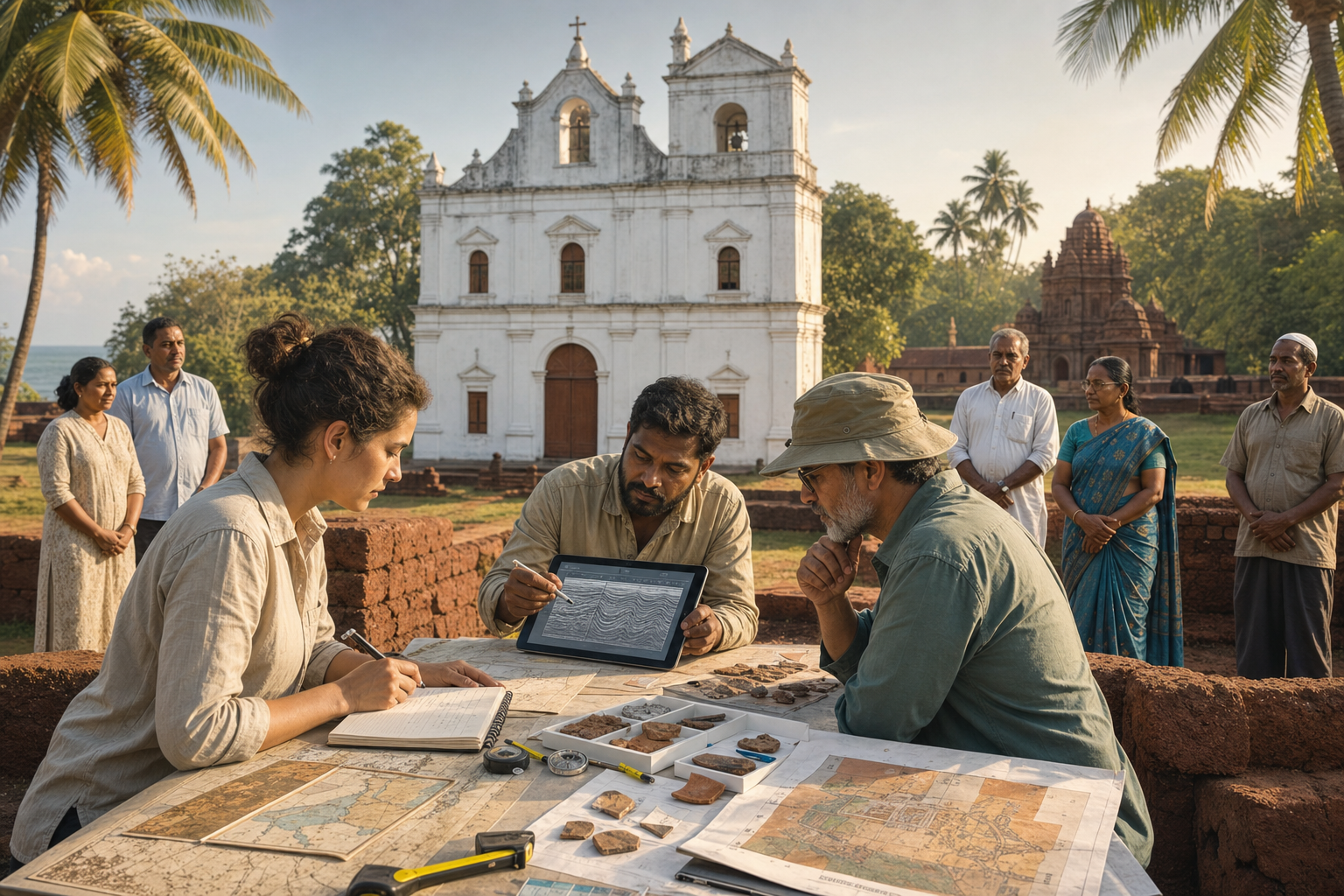
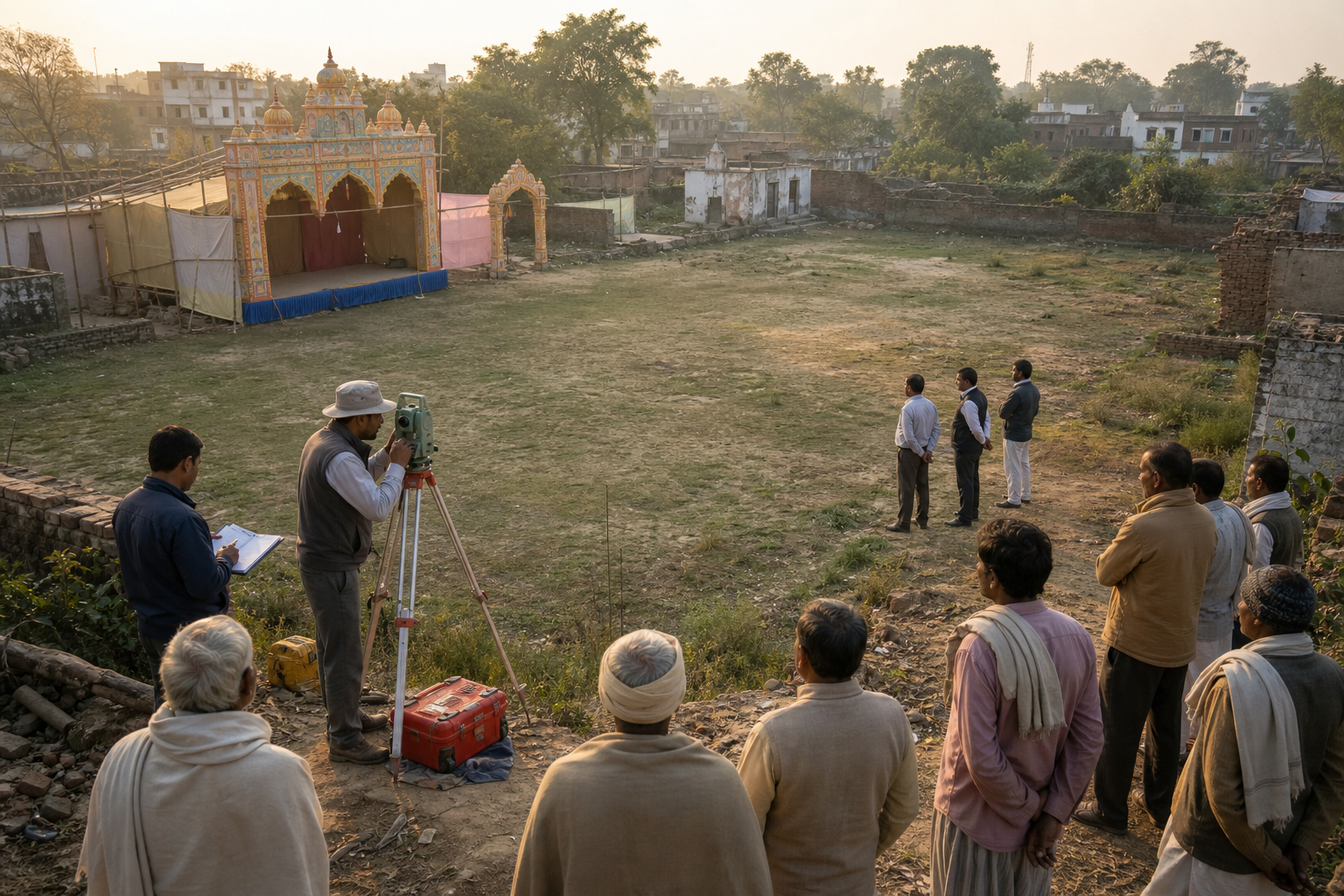
A historic barav (stepwell) in Manchar, Pune district, faces a sensitive dispute involving a recently built dargah and a reported Waqf claim. This analysis explains how to navigate the issue lawfully, drawing on India’s heritage statutes, the Waqf Act, and local development controls to protect culture and maintain harmony. It outlines evidence-based steps—site documentation, revenue…
-
Kelambakkam, 1891: A Vivid Portrait of South Indian Village Life, Learning, and Self-Governance

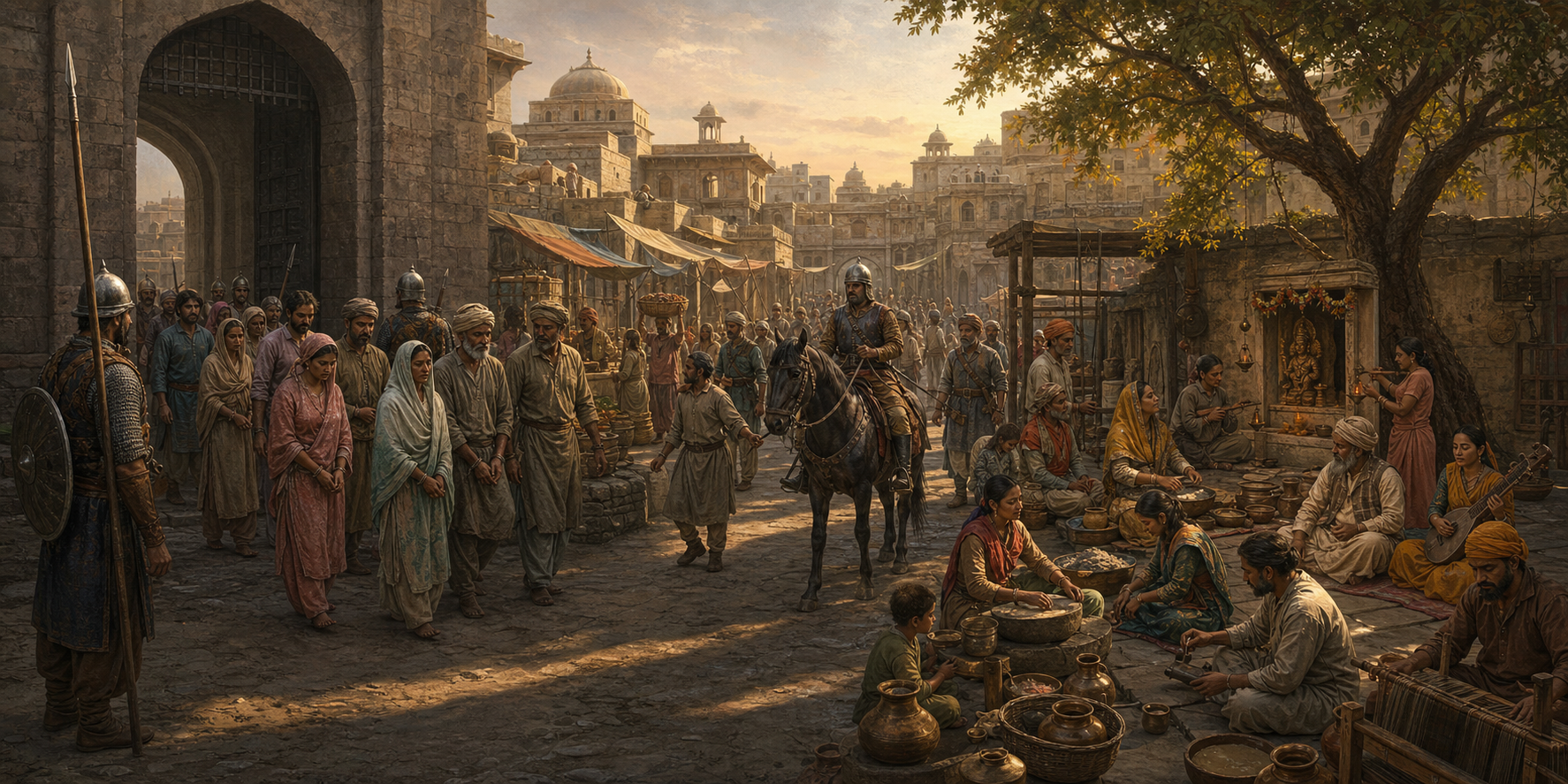
This research-driven portrait of Kelambakkam (1891) reconstructs a South Indian village’s ecology, governance, and culture with technical precision and human warmth. Readers will see how tank (eri) irrigation sustained five hundred acres for six months, anchoring food security and hydrological resilience in Rural India. The Village Administration System—Munsiff, Karnam, and Taliyari—emerges as an effective model…
-
Kiratamurti Unveiled: Shiva the Divine Hunter—Iconography, Symbolism, and Temple Legacy

Kiratamurti—Shiva as the Divine Hunter—unites textual authority, temple iconography, and living ritual into a single, resonant theology of focus and grace. This long-form study traces the Mahabharata’s Kiratarjuna episode, explains key iconographic features (hunter’s bow, forest attire, Kirāti companion, boar as symbol), and maps the motif across major sites from Kanchipuram and Ellora to Hoysala…
-
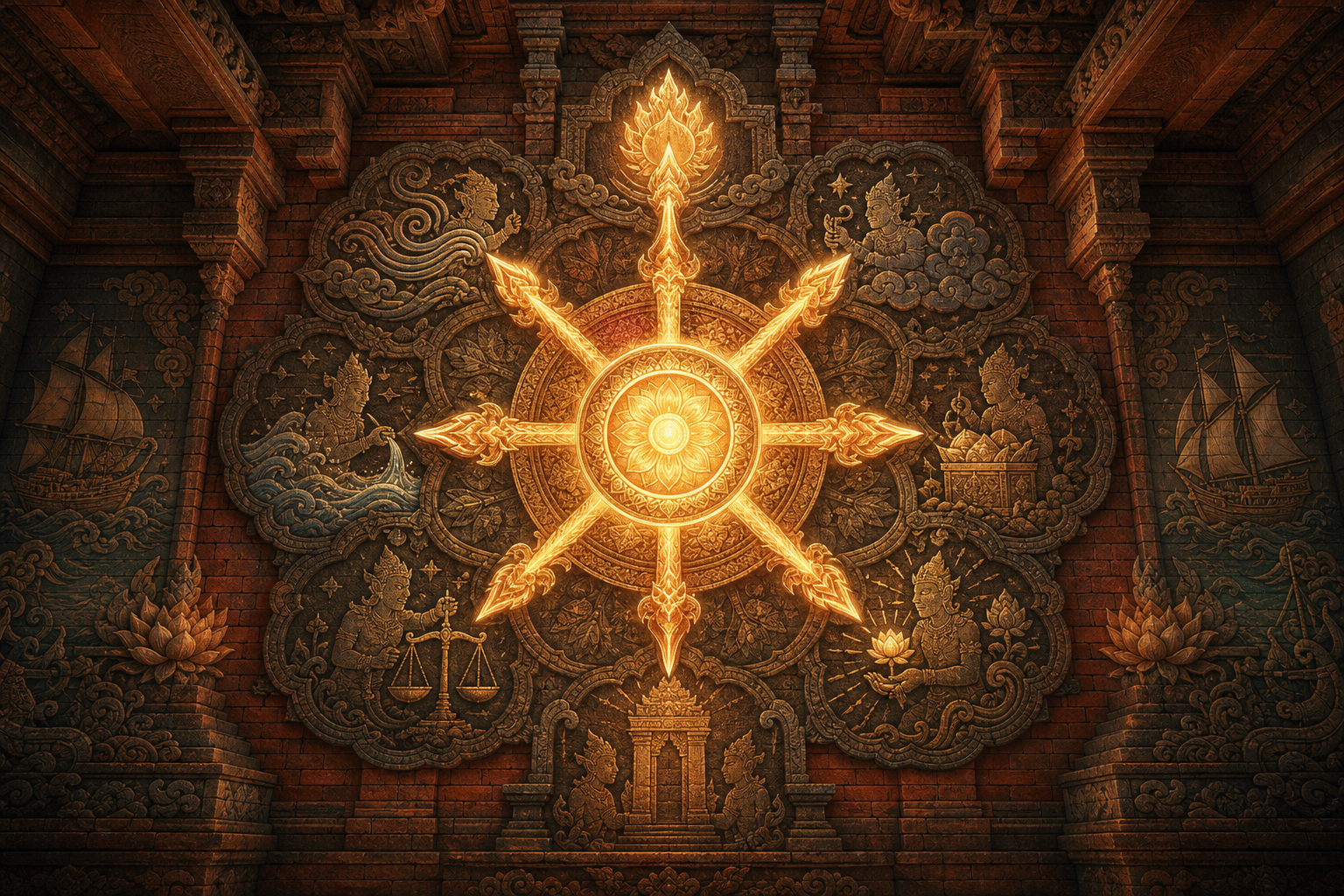
Lankapuri’s Golden Splendor: Ramayana’s City on Trikuta and a Timeless Warning on Greed

Lankapuri, the golden city of the Ramayana, unites mythic splendor with ethical instruction by showcasing how dharma tempers power and prosperity. Fashioned by Vishvakarma and set upon Mount Trikuta, Lanka’s luminous architecture, maritime horizons, and courtly spectacle are balanced by a sharp critique of lobha—greed. The narrative contrasts Kubera’s trusteeship of wealth with Ravana’s extractive…
-
Gazelle of Vayu: Unlocking the Wind God’s Vahana—Swiftness, Prana, and Spiritual Freedom

In Hindu iconography, the gazelle (mriga) as Vayu’s vahana is a precise spiritual diagram of swiftness, subtlety, and liberation. This long-form analysis decodes the symbol across scriptures, Puranic iconography, yogic physiology (the five vayus), and classical astrology (Mrigashira Nakshatra). It explains how breath—prana—transforms restlessness into poised readiness, turning speed into clarity and clarity into freedom.…
-
Annamaiah 523rd Vardhanthi in Tirupati: Sacred Sankeertana Week and Metlotsavam

The 523rd Annamacharya Vardhanthi will be observed in Tirupati, Tirumala, and Tallapaka from 14 to 21 March 2026 under TTD, with programs at Tallapaka Dhyanamandiram, the 108-ft Annamacharya Statue at Tallapaka, Narayanagiri Gardens in Tirumala, Annamacharya Kalamandiram, and Mahati Kalakshetram. The week begins on 14 March at 6 a.m. with Metlotsavam, a congregational ascent marked…
-
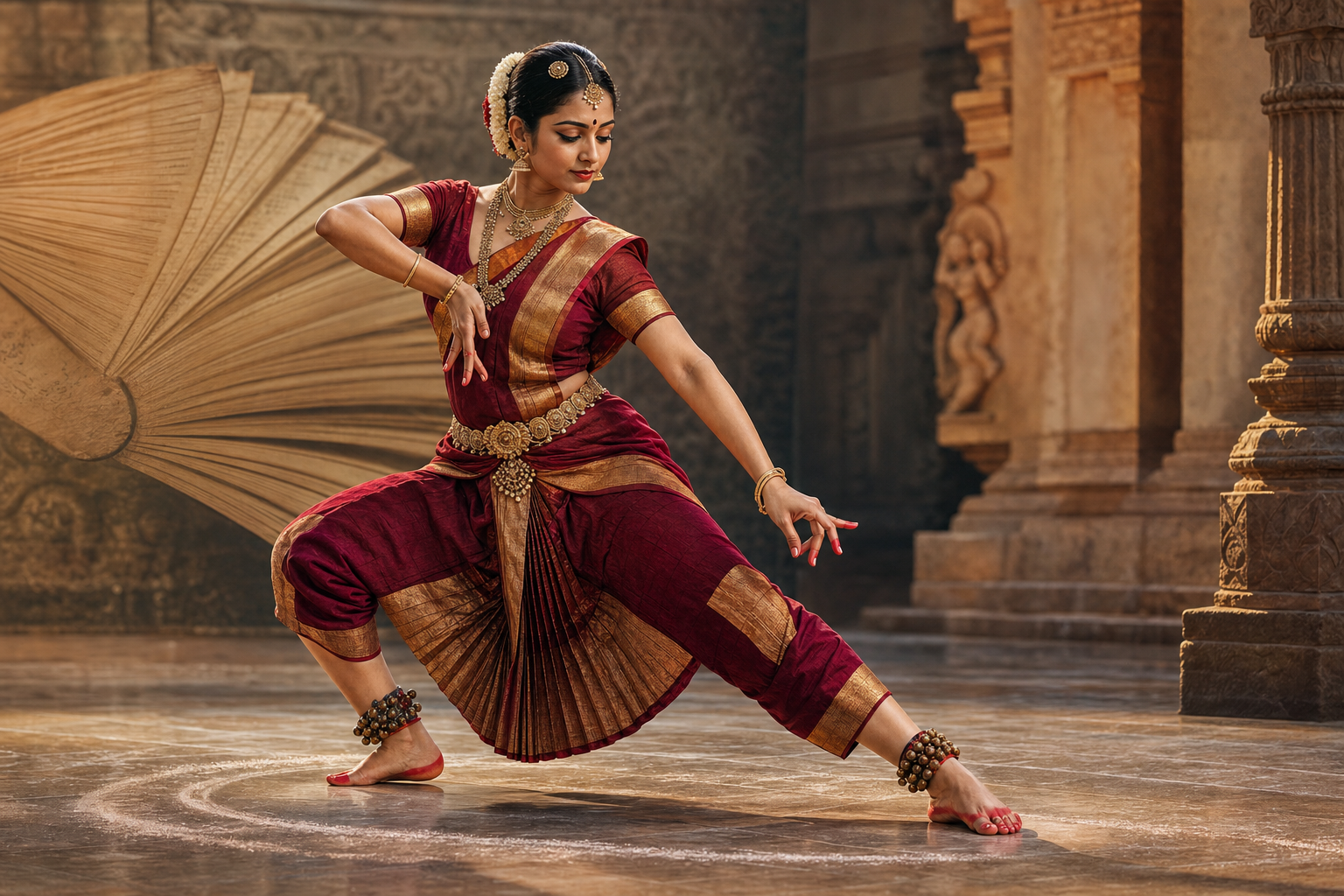
Shiva–Shakti Raasa Leela: Unveiling the Cosmic Dance of Love, Consciousness, and Creation

Shivashakti Raasa Leela—also known as Sri ShivShakti Rasalila—presents the union of Śiva and Śakti as a continuous dance and embrace that render Shaiva metaphysics visible and livable. Anchored in Natyashastra aesthetics, Shaiva Āgamas, and Kashmir Shaivism’s rasa theory, it interprets creation as spanda (vibration) and devotion as aesthetic savoring (rasa). Iconography of Śiva Naṭarāja, Somāskanda,…
-
Sitakund and Monghyr Fort: Shah Shuja’s Turmoil and a Sacred City’s Resilience

This long-form analysis reconstructs the layered history of Munger (Monghyr) from Gupta-era epigraphy and regional dynasties to Mughal turbulence and East India Company conquest. It clarifies Monghyr’s form as a classical Kaṭaka—fortified capital and garrison—while situating the city’s beauty on a bend of the Ganges documented by Viscount Valentia. It explains the ritual ecology of…
-
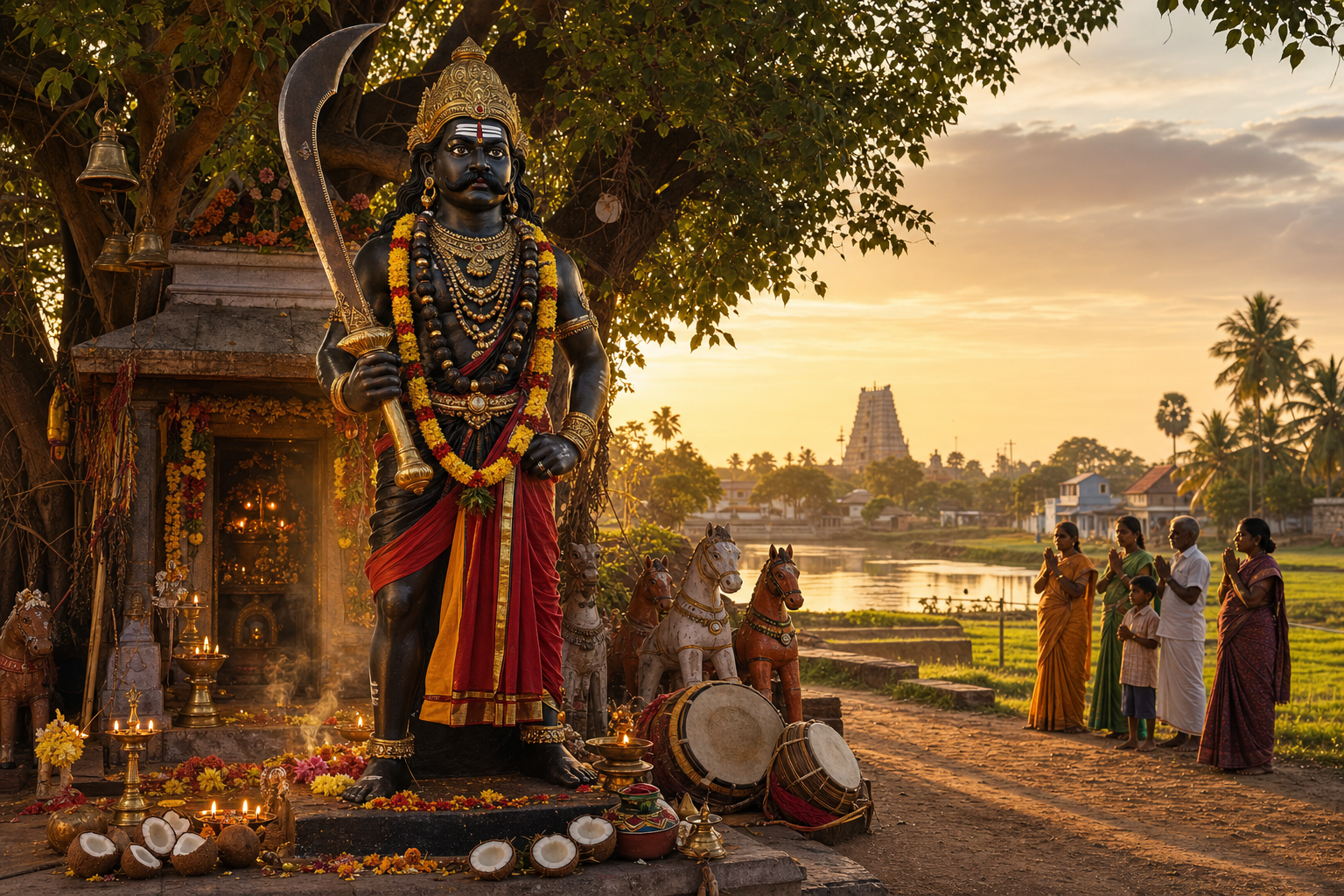
Padma Nidhi of Kubera in South Indian Temples: Timeless Gate Guardians of Abundance

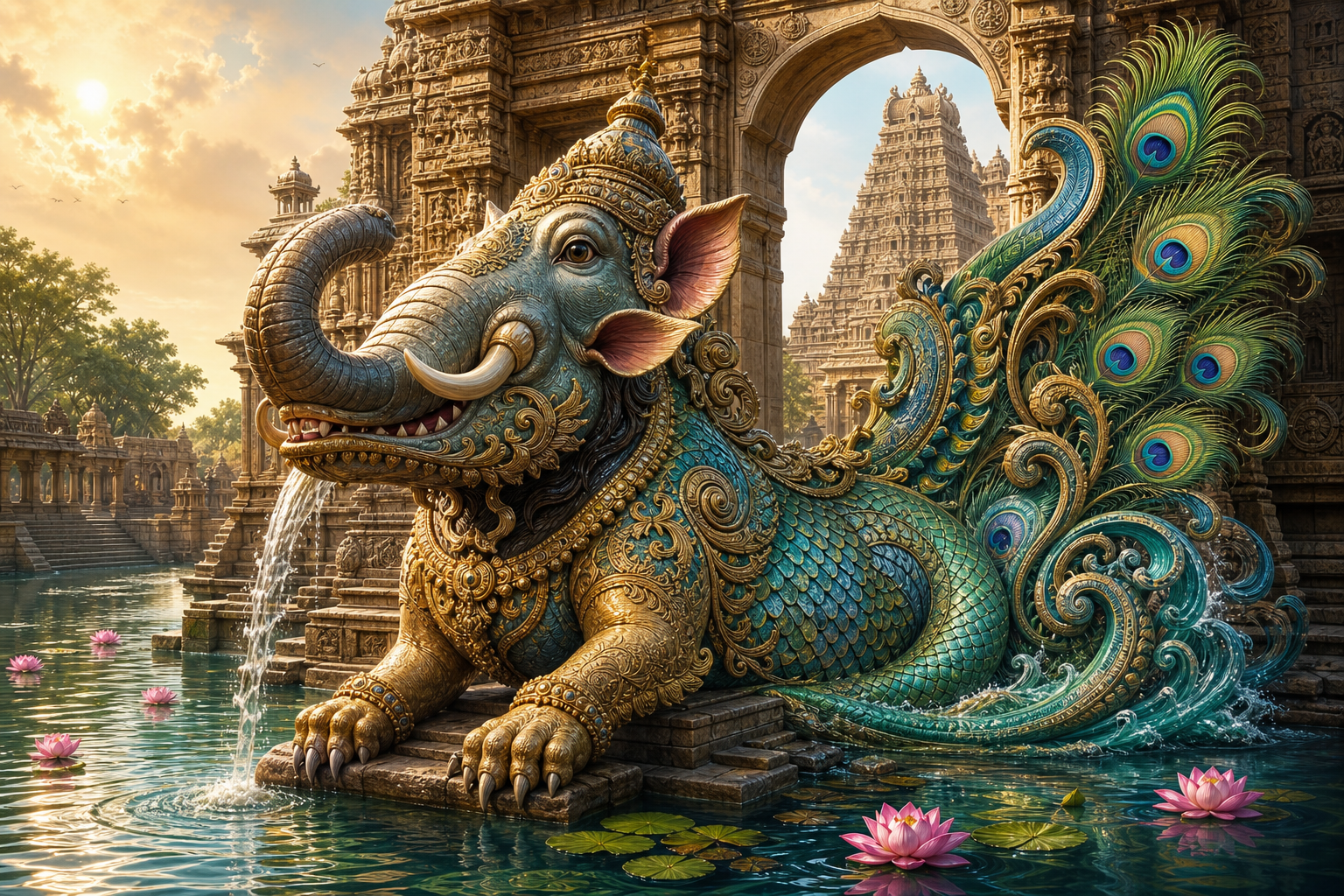
Padma Nidhi—paired with Śaṅkha Nidhi—functions as a liminal, auspicious guardian at South Indian temple thresholds, especially in Tamil Nadu. Grounded in Agamic and Śilpa-śāstra prescriptions, the pair integrates with dvarapālas and Gaja-Lakṣmī to create a complete doorway program of protection, grace, and prosperity. As personifications of Kubera’s treasures, these compact, pot-bellied figures translate the metaphysics…
-
Decoding Garuda’s Sacred Footwork: Awe-Inspiring Iconography in Hindu Temple Sculpture

Garuḍa’s distinctive footwork in Hindu temple sculpture is a concentrated language of devotion, protection, and poised service. Guided by Śilpa-śāstra canons and Nāṭya-śāstra foot positions, sculptors use soles, arches, and talons to encode humility before Viṣṇu, readiness for action, and sovereignty over nāgas. Regional workshops—from Chola bronzes to Kalinga stone and Hoysala carvings—translate these themes…
-
Mewar Festival 2026 in Udaipur: Dates, Gangaur Processions, Rituals, Routes & Visitor Guide

Mewar Festival 2026 in Udaipur, Rajasthan, will be celebrated from March 21 to March 23 in tandem with Gangaur, marking the arrival of spring and honoring Lord Isar (Shiva) and Goddess Gauri (Parvati). The festival’s highlight is the Gangaur procession through the old city to Gangaur Ghat on Lake Pichola, where a dignified lakeside ceremony…
-
Unveiling the Sacred Nāgas: Cosmic Serpents, Seven Realms, and Living Dharma

Serpents (Nāgas) in Hindu tradition are far more than reptiles; they are guardians of waters, thresholds, and cosmic order across the seven realms and seven netherworlds. Grounded in the Sarpa Suktam and extended through Purāṇic and Itihāsa narratives, Nāga lore unites temple iconography, regional festivals, yogic anatomy, and ecological stewardship. Key figures such as Ananta-Śeṣa…
-
10 Sacred Shakti Peethas of Bengal: Definitive Guide to Legends, Deities, and Pilgrimage

This definitive guide maps ten widely venerated Shakti Peethas across West Bengal, uniting legend, ritual practice, and practical travel insights. It introduces the Shakti Peetha tradition through Puranic sources, then profiles Kalighat, Tarapith, and eight additional sanctuaries in Birbhum, Bardhaman, Murshidabad, and North Bengal. Each entry highlights the associated body part of Sati, local worship…
-
‘Nari Samarthyachi Navi Pahat’ Jalgaon: Actionable Self‑Defence and Dharmic Heritage for Women

On 7 March in Jalgaon, Maharashtra, the Ranragini wing of the Hindu Janajagruti Samiti will host “Nari Samarthyachi Navi Pahat,” a women’s empowerment programme focused on self-defence awareness and cultural heritage. The initiative emphasises prevention, de-escalation, and proportionate response, supported by practical movement drills and verbal boundary-setting. Participants benefit from legal literacy on the right…
-
Lotus in Hand vs. Lotus Throne: Revealing Sacred Power and Meaning in Hindu Sculptures

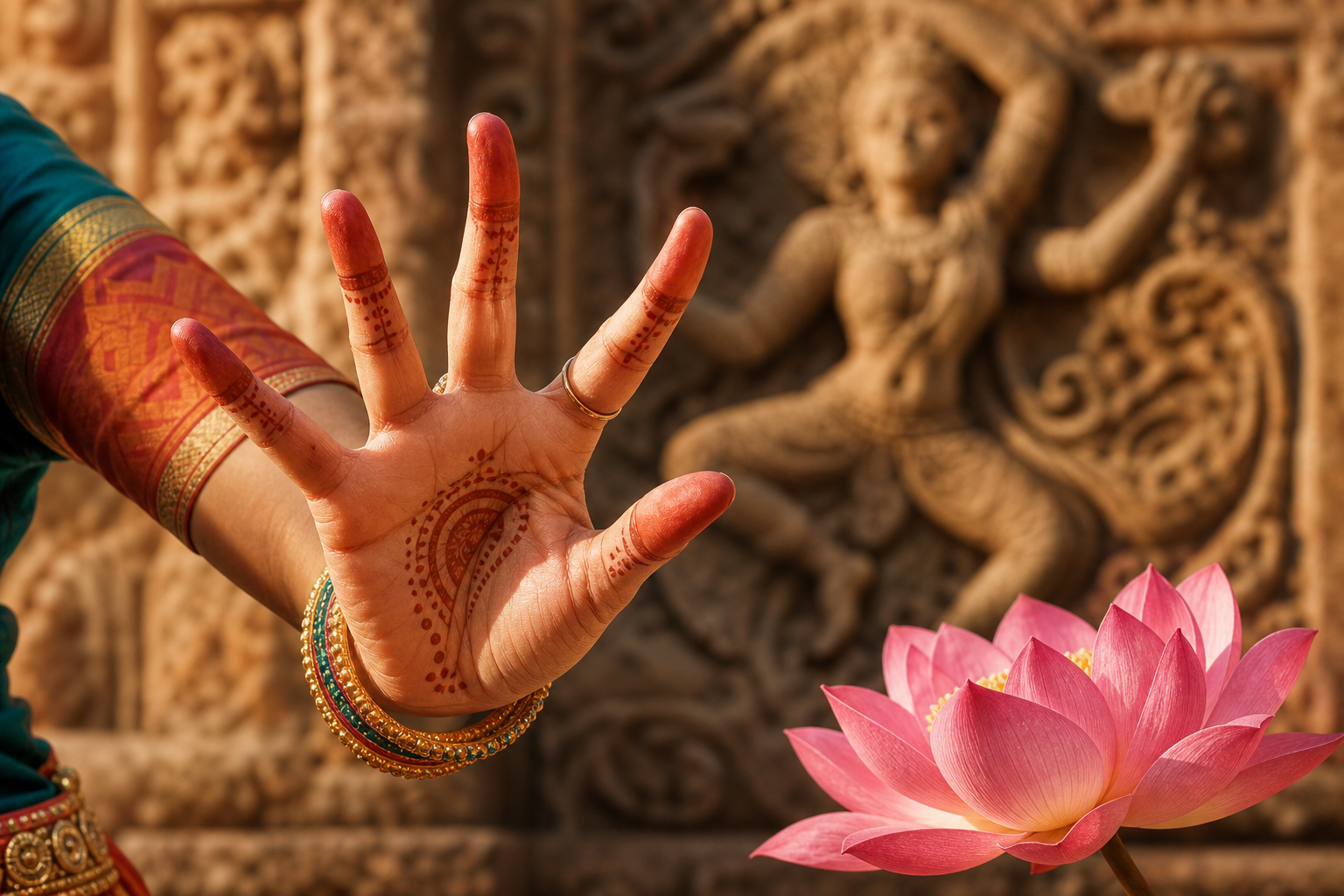
The lotus in Hindu iconography carries two distinct messages: as a throne it signifies transcendence and cosmic sovereignty, while in the hand it becomes an active emblem of purity, abundance, and compassion. This guide decodes how pedestal, posture, color, and the lotus-as-attribute work together to form a visual grammar in sculptures of Lakshmi, Saraswati, Brahma,…
-
Agamas in Hinduism: A Definitive Guide to Temple Science across Shaiva, Vaishnava, Shakta Paths

Agamas in Hinduism are authoritative temple sciences that unite theology, meditation, ritual, architecture, and iconography into a single living system. This article clarifies what “Āgama” means, how it relates to Veda and Smṛti, and why Shaiva, Vaishnava (Pañcarātra and Vaikhānasa), and Shakta lineages each preserve distinct yet harmonious Agamic corpora. Readers gain a technical overview…