How to Read Authenticity and Symbolism in Hindu Sacred Art
·1 min read
You may be standing before a temple bronze, studying a museum display, or deciding whether an online listing deserves a second look. The polished image can seem more convincing than the worn one, while asymmetry, pinholes, or dark deposits can look like defects. Those first impressions are weak evidence.
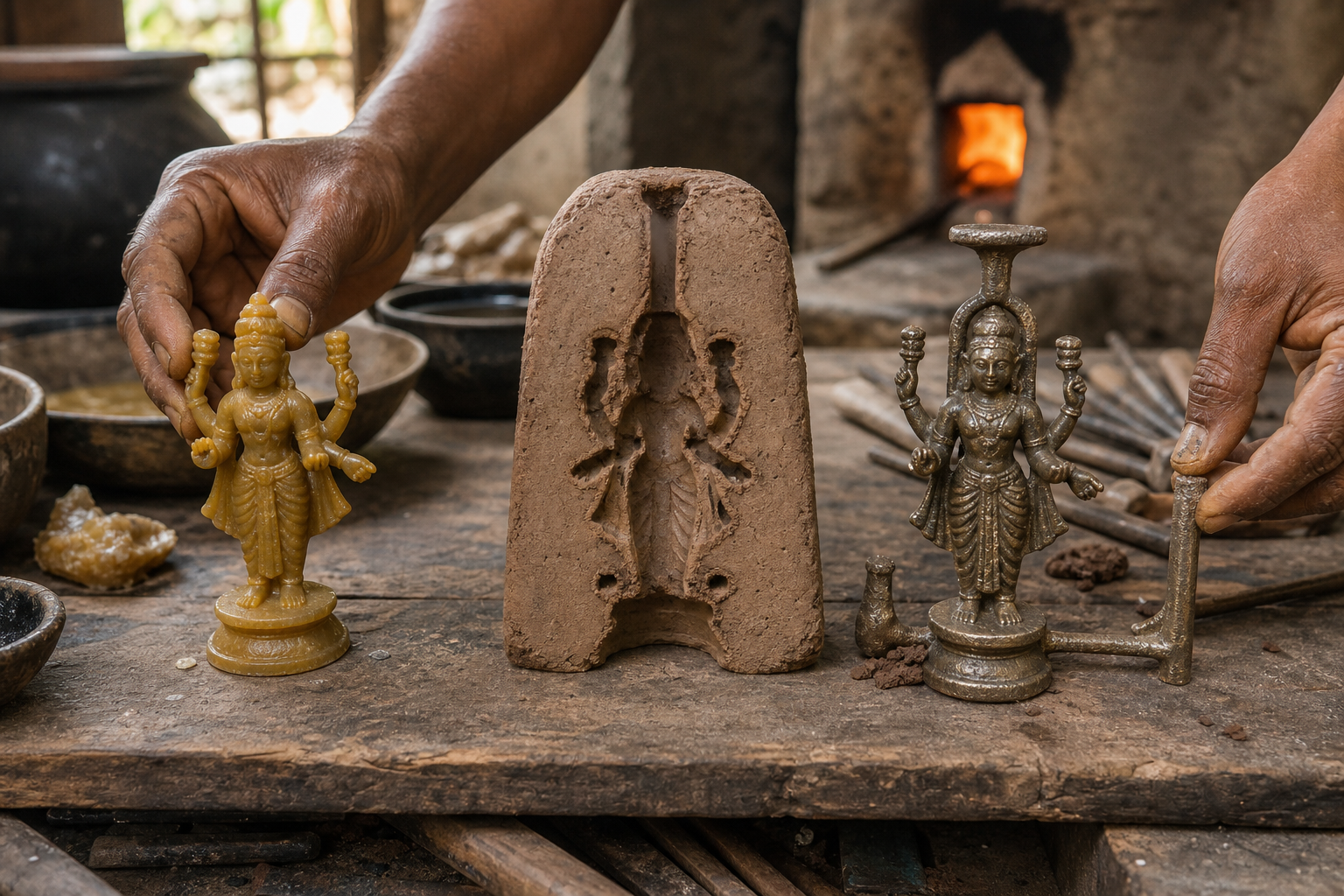
Start by asking a better question: authentic in what sense? A sacred image can be faithful to Hindu iconography, made through a traditional process, historically old, or present in consecrated worship. These forms of authenticity can meet in one murti, but they are not interchangeable. Reading the image well means attending to its sacred grammar, material construction, and devotional biography without forcing all three into a single verdict.
Begin with the icon’s visual grammar, not its condition
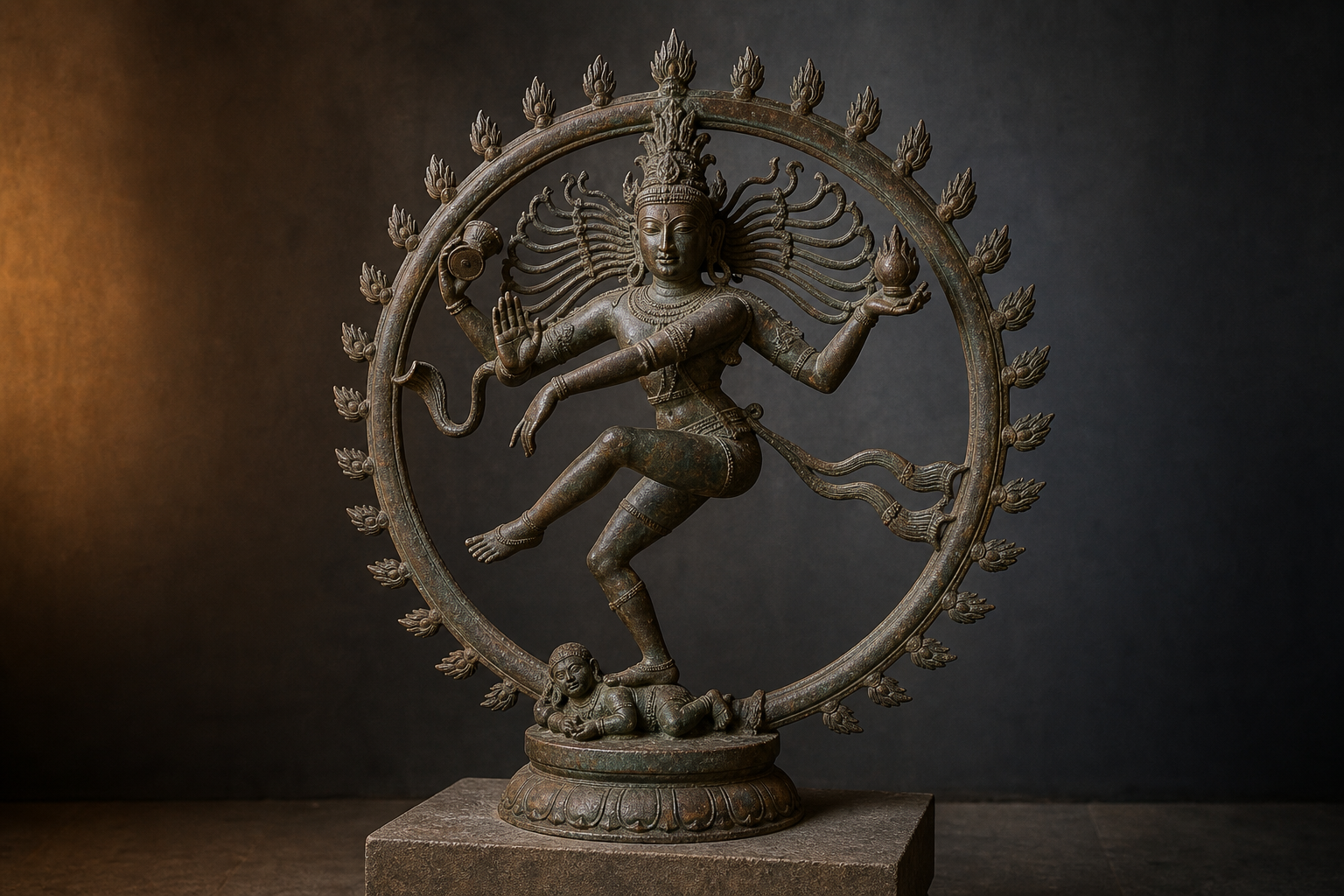
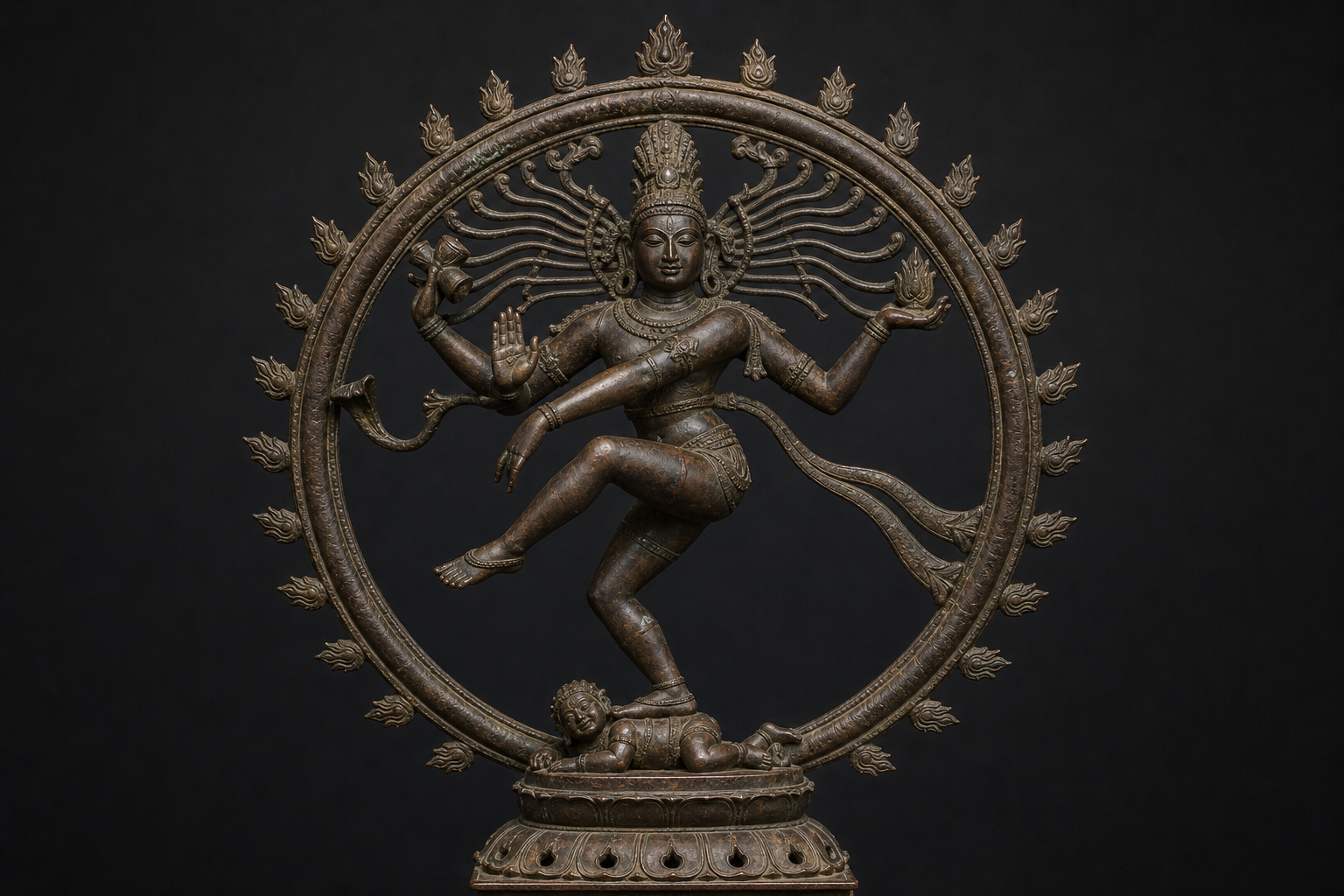
Before estimating age, identify what the form asks you to see. Hindu sacred art is not merely a collection of decorative objects attached to a body. Posture, gesture, proportion, attributes, ornament, and relationships work together as a visual language. They establish lakshana, the recognizable characteristics of a sacred form, while bhava gives that form presence, mood, and theological force.
A useful first reading follows four steps:
<!– wp:list {
FAQs
What can “authenticity” mean for a Hindu murti?
Authenticity may refer to faithfulness to Hindu iconography, manufacture through a traditional process, historical age, or a place in consecrated worship. These dimensions can coexist in one sacred image, but they are not interchangeable.
Can polish, wear, asymmetry, pinholes, or dark deposits establish authenticity?
No; the article treats such first impressions as weak evidence, whether a polished surface looks convincing or wear and irregularities look like defects. They should be considered alongside the image’s sacred grammar, material construction, and devotional biography.
What should I examine first when reading Hindu sacred art?
Begin with the icon’s visual grammar rather than its condition or presumed age. Read posture, gesture, proportion, attributes, ornament, and relationships together as a visual language.
What are lakshana and bhava in Hindu sacred art?
Lakshana refers to the recognizable characteristics that establish a sacred form. Bhava gives that form presence, mood, and theological force.
What role do casting marks and ritual wear play when evaluating a murti?
They belong within a broader reading of material construction and devotional biography rather than serving as a stand-alone verdict. Surface polish or visible wear should not be mistaken for conclusive proof of authenticity.
Can iconographic fidelity alone prove that a murti is historically old?
No. Faithfulness to iconography, traditional manufacture, historical age, and consecrated use are distinct forms of authenticity, so one does not automatically establish the others.