-
Vaisakhi 2026 Explained: Timeless Khalsa Legacy, Sacred Rituals, and Dharmic Unity

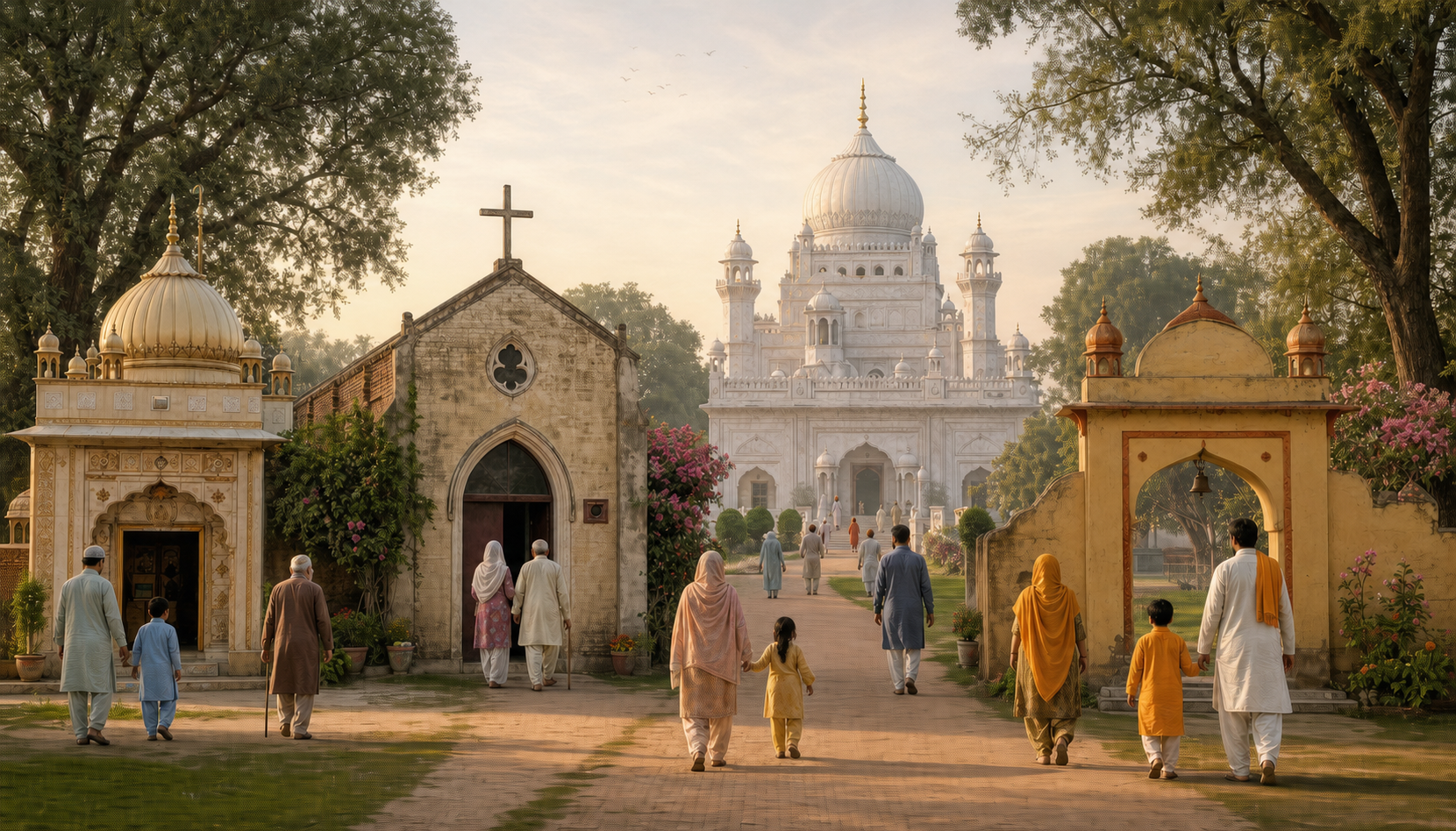
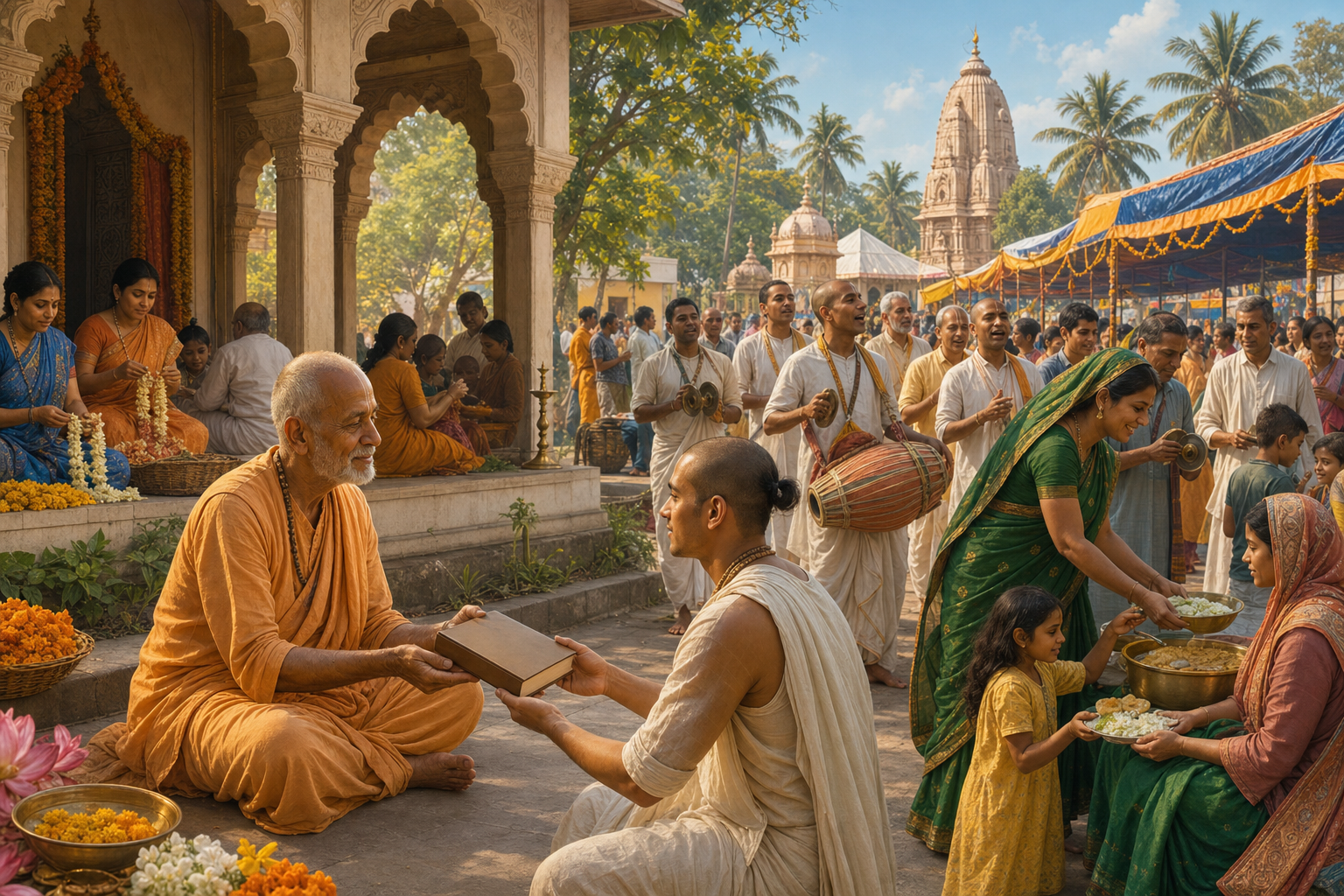
Vaisakhi 2026 offers a comprehensive moment of renewal—honoring the Khalsa’s founding at Anandpur Sahib while welcoming the Punjabi agrarian new year tied to the Sun’s entry into sidereal Aries. The guide explains why many communities will observe Vaisakhi on April 13–14 in 2026, clarifying the role of solar calculations, sunrise, and regional calendars. Readers gain…
-
Hanuman’s Humility in Ashoka Vatika: Assamese Ramayana’s Powerful Lesson on Dharma and Consent

The Assamese Ramayana preserves a compelling motif of Hanuman pausing in Ashoka Vatika to seek permission before tasting its fruit, transforming a moment of reconnaissance into a study in dharma. Framed within Sundara Kanda, the episode fuses courage with humility, presenting consent as a devotional discipline rather than a legal formality. The emphasis aligns with…
-
Decoding the Golden Temple (Harmandir Sahib): Marble Motifs, Sacred Geometry, and Seva

This in-depth exploration decodes the Golden Temple (Harmandir Sahib) as a readable language of marble, motifs, and gilded form, revealing how architecture teaches Sikh ethics of oneness, seva, and equality. Readers will discover how geometry, calligraphy in Gurmukhi, floral arabesques, and jaali screens cohere into a visual theology aligned with continuous kirtan. The essay traces…
-
Decisive heritage win in Pune: stepwell restored to public records; lawful audits intensify in Gokak

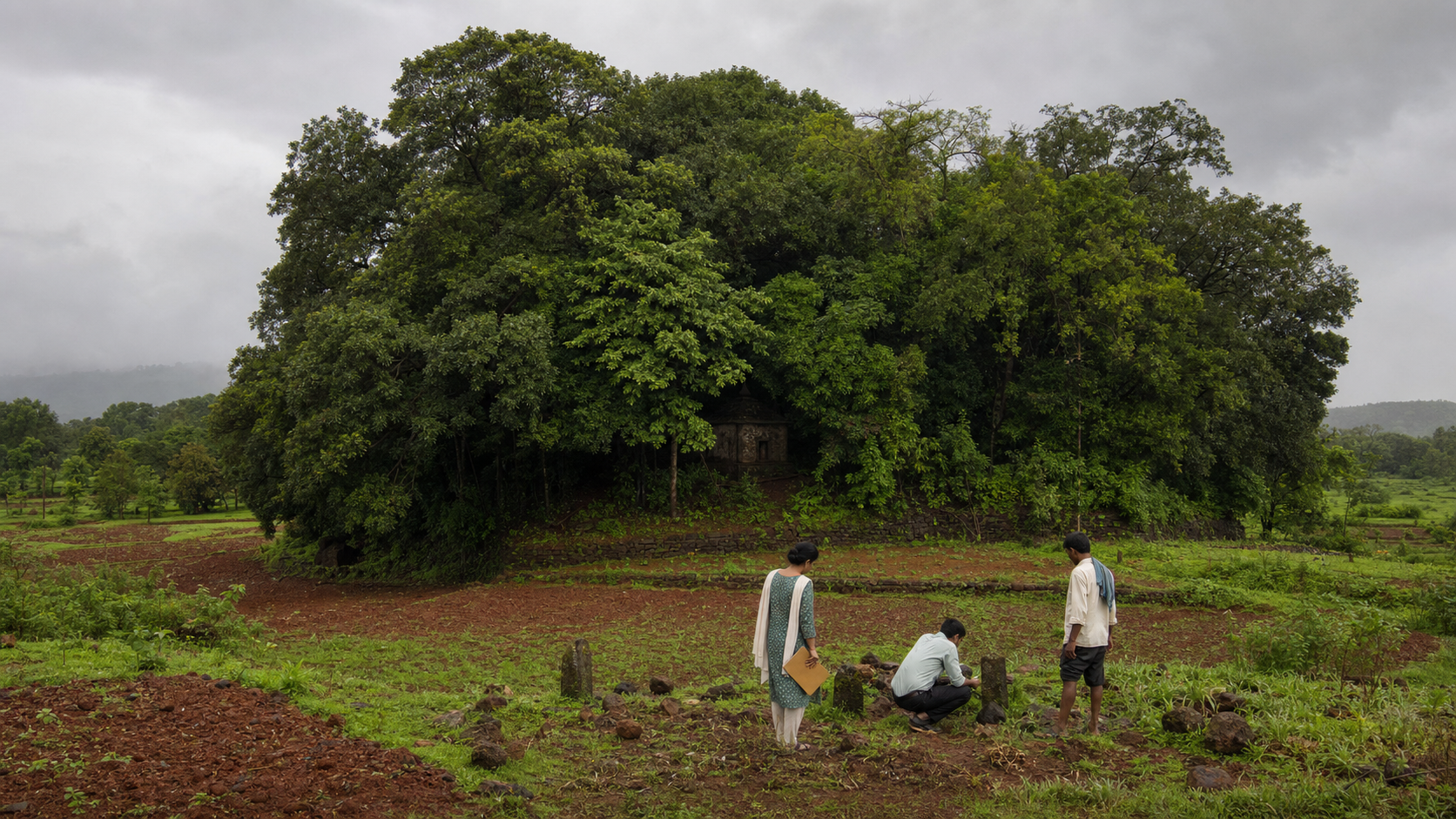
A historic stepwell in Manchar, Pune has reportedly been delisted from waqf records after documentary verification, reinforcing how heritage preservation can align with the Waqf Act 1995. The analysis explains the legal architecture—surveys, listings, and Waqf Tribunal jurisdiction—so readers know exactly how record corrections are lawfully achieved. It outlines the documentary evidence authorities typically assess…
-
Kukke Subramanya Sthala Purana: Timeless Serpent-Lord Legends, Ritual Science, and Sacred Landscape

Anchored at the foot of Kumara Parvatha and on the banks of the sacred Kumara Dhara, the Kukke Subramanya Swamy Temple preserves a powerful sthala purana that unites myth, ritual, and landscape. The narrative recounts Subrahmanya’s victory over Tarakasura, his marriage to Devasena, and a lasting covenant of protection extended to Vasuki and the Nagas.…
-
Kukke Subramanya’s Sacred Sub-Temples: A Timeless, Comprehensive Guide to Subshrines

Kukke Subramanya Temple in Dakshina Kannada is renowned for serpent veneration and a living ecosystem of sub temples (subshrines) that enrich the pilgrimage experience. This comprehensive guide profiles the documented KukkeLinga Temple—Vimana Type – NO; Sanctorum Shape – Square Shape; Speciality – Purathana; located indoor of kukke shri subrahmanya—and explains why some enclosed subshrines lack…
-
Inside Kukke Subramanya: A Sacred, Comprehensive Guide to Sub-Shrines, Rituals, and Architecture

Kukke Subramanya Temple in Dakshina Kannada, Karnataka, is famed for Subrahmanya’s protective grace and for Naga-related rites such as Sarpa Samskara and Ashlesha Bali. This comprehensive guide maps the temple’s sub-shrines—highlighting the Purathana KukkeLinga Temple (Vimana Type – NO; Sanctorum Shape – Square Shape) located indoors of the main complex—alongside Adi Subrahmanya and Sri Samputa…
-
Pichandavar Shiva: The Divine Mendicant Who Unmasks Ego and Teaches Aparigraha

Pichandavar Shiva—known in Sanskrit sources as Bhikshatana—presents the Supreme Lord as a wandering ascetic whose skull-bowl and gentle stride teach non-possession, humility, and compassion. Grounded in Puranic lore and Shaiva Agamas, this South Indian form flourished in Chola bronzes and continues to animate temple processions where symbolic alms become a mirror for inner transformation. The…
-
Timeless Sthala Purana of Kukke Subramanya: Legends, Rituals, and Sacred Ecology of Western Ghats

Situated at the foothills of Kumara Parvatha and along the Kumara Dhara, Kukke Subramanya Swamy Temple fuses mythic memory with living ritual. The sthala purana recounts Kumara Swamy’s arrival with Lord Ganapathi to defeat Tarakasura and sanctify the valley through the marriage to Devasena. Core symbolism centers on Subramanya’s guardianship of Vasuki and Shesha, with…
-
Sitalsasthi 2026: Sambalpur’s grand Shiva–Parvati wedding and Odisha’s living heritage

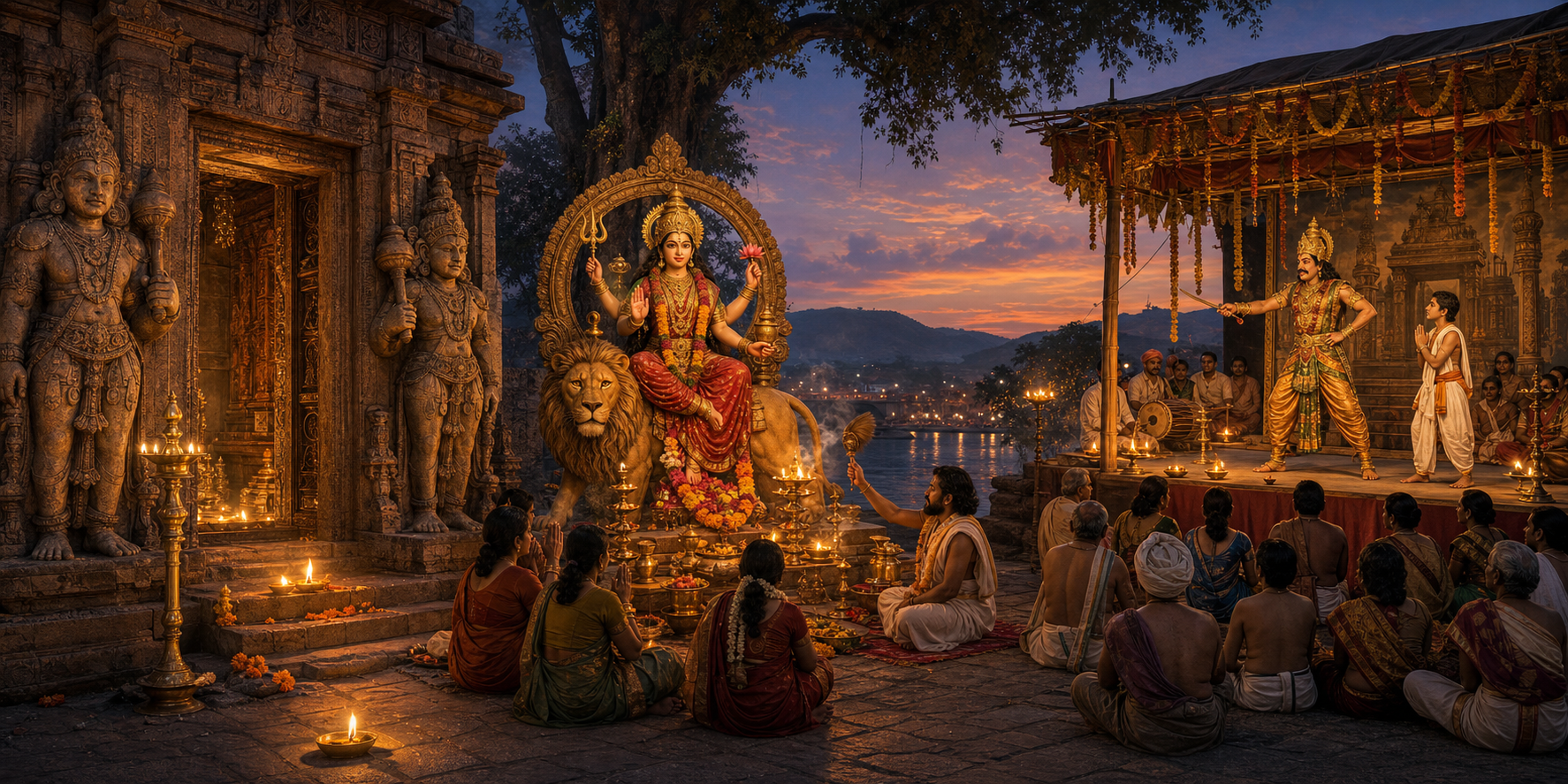
Sitalsasthi 2026, the ceremonial wedding of Lord Shiva and Goddess Pārvatī, will be celebrated on June 20 in Odisha, with Sambalpur hosting the most expansive and community-driven observances. Rooted in over four centuries of practice, the festival blends śāstra-guided rituals with a city-wide cultural carnival featuring processions, folk arts, and water-splashing motifs that welcome the…
-
Prabhasa Patan’s Timeless Confluence: Where Krishna Departed and Somnath Inspires Unity

Set on Gujarat’s Saurashtra coast, Prabhasa (Prabhasa Patan/Prabhasa Kshetra) is the Triveni Sangam of the Hiran, Kapila, and subterranean Sarasvati, long revered as a threshold of purification and insight. Scripture situates epochal events here: the Mahabharata’s Mausala Parva narrates the Yadavas’ final conflict, while the Bhagavata Purana memorializes Sri Krishna’s departure at Bhalka and Dehotsarg…
-
Ravana’s Doom Foretold: Dattatreya’s Disciples, a Vanara’s Kick, and Dharma’s Triumph

This long-form analysis examines a powerful Ramayana motif: a sage’s curse that Ravana, intoxicated by power and pride, would be humiliated—even kicked—by vanaras. It situates a regional strand that identifies the ascetics as disciples of Dattatreya alongside the canonical curse of Nandi in the Valmiki Ramayana’s Uttara Kanda. Readers gain a clear sense of how…
-
Decoding Kerala’s Sacred Geometry: Tantric Blueprints that Shape Hindu Divine Forms

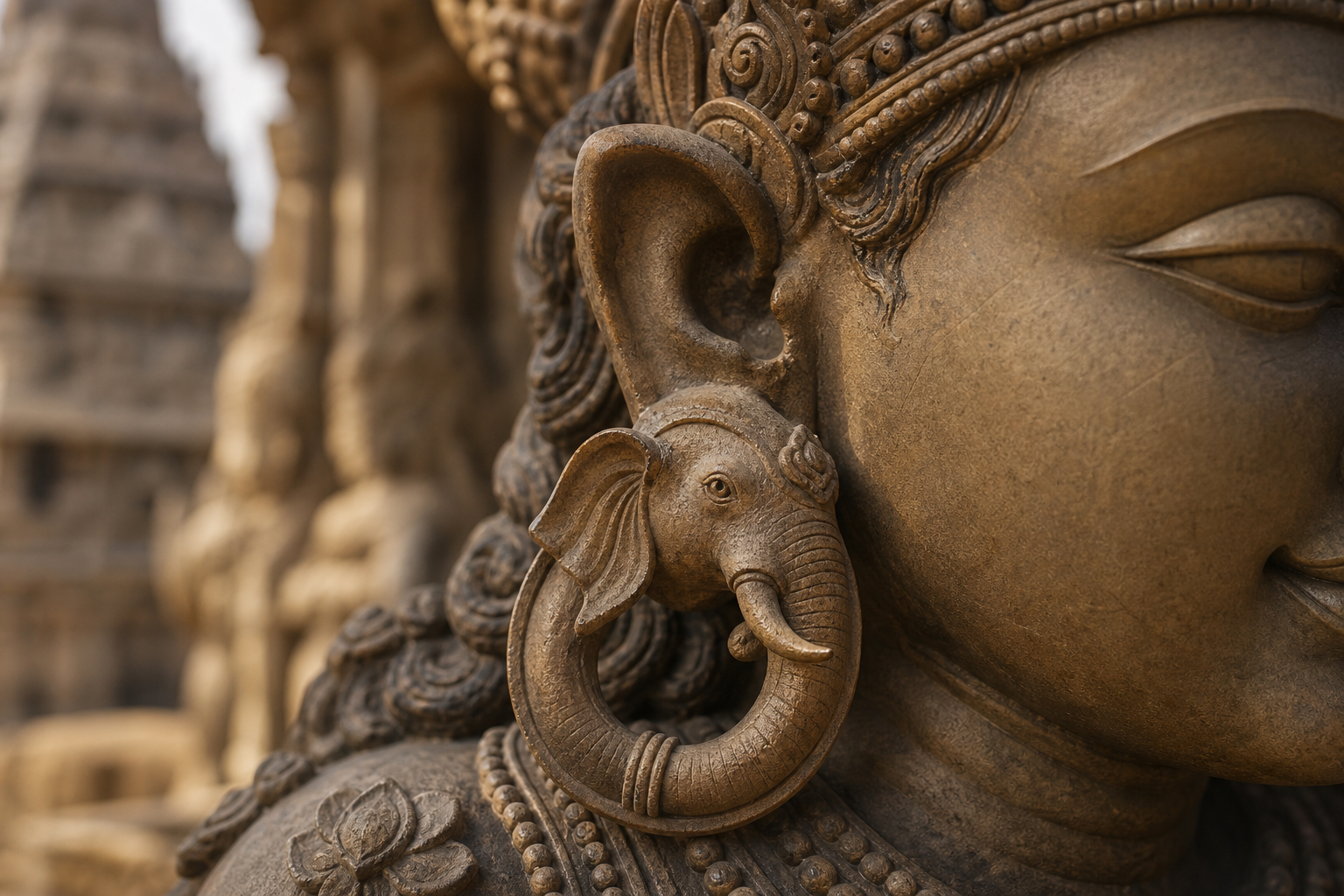
Kerala’s temple sculpture is governed by a rigorous synthesis of Tantra, Āgama, and Śilpa-śāstra that translates metaphysical vision into precise sacred geometry and iconography. The Tantrasamuccaya and allied Sanskrit manuscripts calibrate everything from ground plans to mudras, ensuring that Hindu divine imagery remains theologically faithful and experientially powerful. Visitors can read this grammar in the…
-
Eighteen Steps, One Presence: The Fierce Aniconic Power of Karuppasamy at Azhagar Kovil

Situated in the Azhagar Malai hills near Madurai, the Pathinettam Padi Karuppasamy shrine at Azhagar Kovil embodies an aniconic form of worship—no carved idol, only an intense guardian presence encountered at a threshold of eighteen steps. The shrine harmonizes classical Vaishnava temple worship with the fierce protection of a kaval deivam, emphasizing vows, truth, and…
-
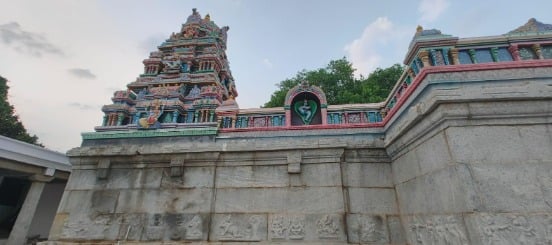
Mangalagiri Panakala Lakshmi Narasimha: Elephant-Hill Legend, Rituals, History & Guide

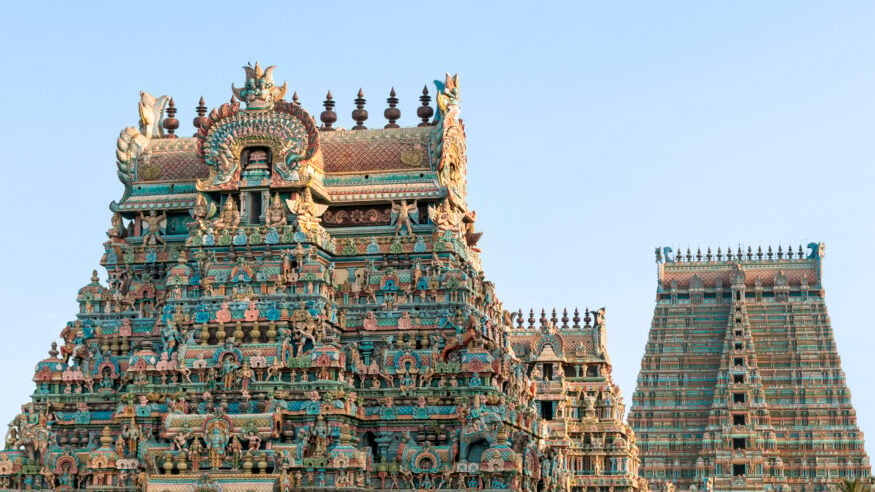
The Mangalagiri Panakala Lakshmi Narasimha Swamy Temple in Andhra Pradesh unites sacred geography, living ritual, and Dravidian architecture in a rare triadic complex. Centered on an elephant-shaped hill, its distinctive panakam offering to Ugra Narasimha symbolizes the cooling of fierceness into compassion. A monumental rajagopuram at the foothill and an intimate hillside sanctum together craft…
-
Awe-Inspiring Rameswaram Pilgrimage: Sri Ramanathaswamy Temple, Rama Setu, Sacred Shores

Rameswaram on the Gulf of Mannar is a conch-shaped island central to the Char Dham yatra and home to the Jyotirlinga of Sri Ramanathaswamy. Scriptural accounts in Srimad-Bhagavatam and Caitanya Caritamrta attest to its enduring sanctity, while Ramayana memory links the shrine to Rama Setu. The temple’s nearly 4,000-foot pillared corridor exemplifies South Indian temple…
-
Avanaddha: The Sacred Science of Indian Drums from Vedic Pushkara to Pakhawaj

Avanaddha, the classical Indian family of drums defined in the Natyashastra, links Vedic references such as pushkara and dundubhi with today’s diverse performance, ritual, and communal traditions. This article explains how construction techniques—shell materials, membrane fastening, and the famed syahi loading—engineer near-harmonic overtones and pitch-centered strokes. It surveys major drum types (mridangam, pakhawaj, khol, chenda,…
-
Nandprayag’s Sacred Confluence: Alaknanda–Nandakini, Panch Prayag Heritage and Travel Guide

Nandprayag, at 1,358 metres in Chamoli, is the sacred confluence where the Alaknanda meets the Nandakini, forming a pivotal node in the Panch Prayag tradition of Uttarakhand. This long-form guide situates Nandprayag within the hydrology of the Alaknanda basin and clarifies its place relative to Rudraprayag, where the Mandakini joins. It explains how ritual practice,…