-
Reclaiming the Rababi Voice: Rai Balwand, Bhai Satta, and the Living Heart of Sikh Kirtan

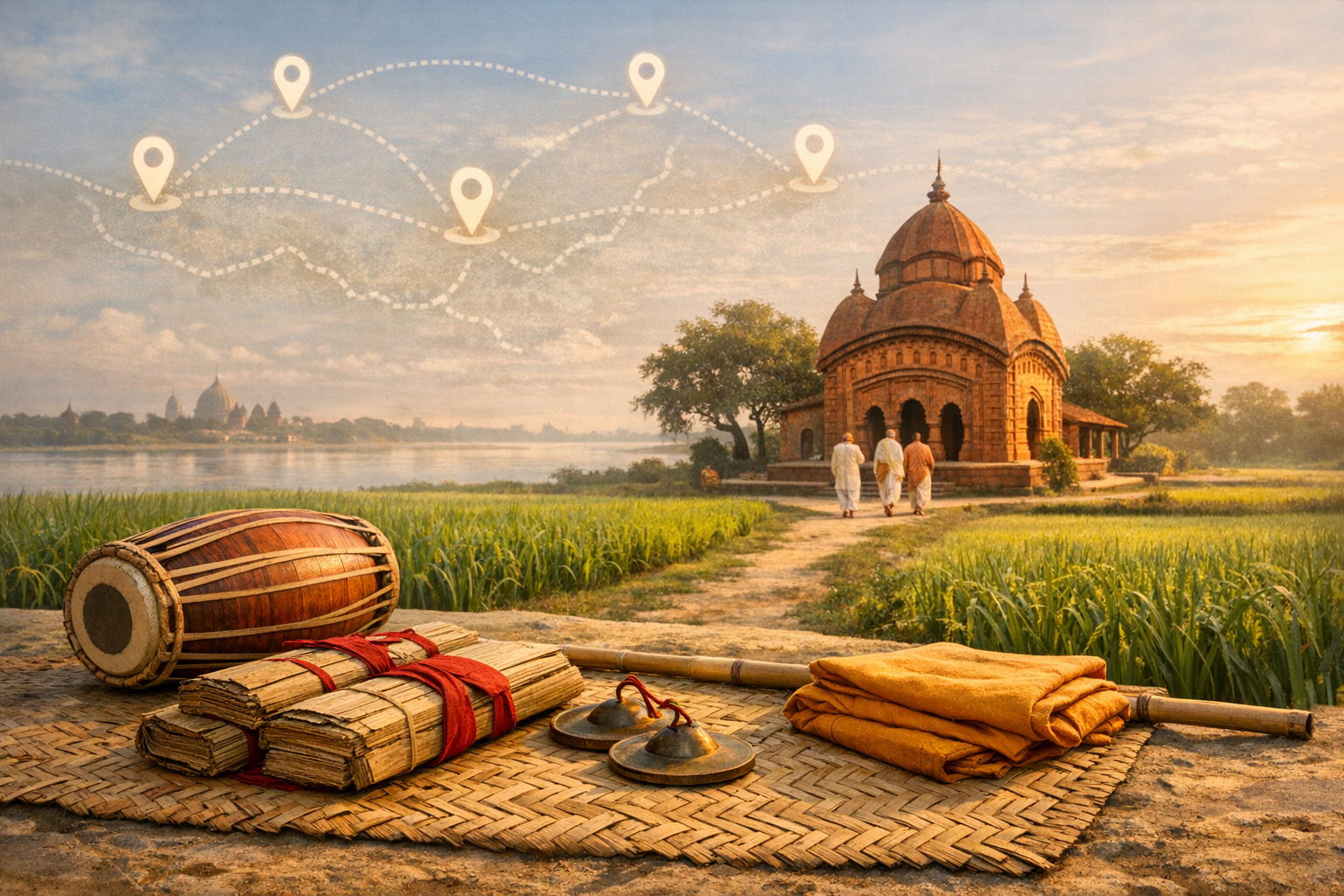
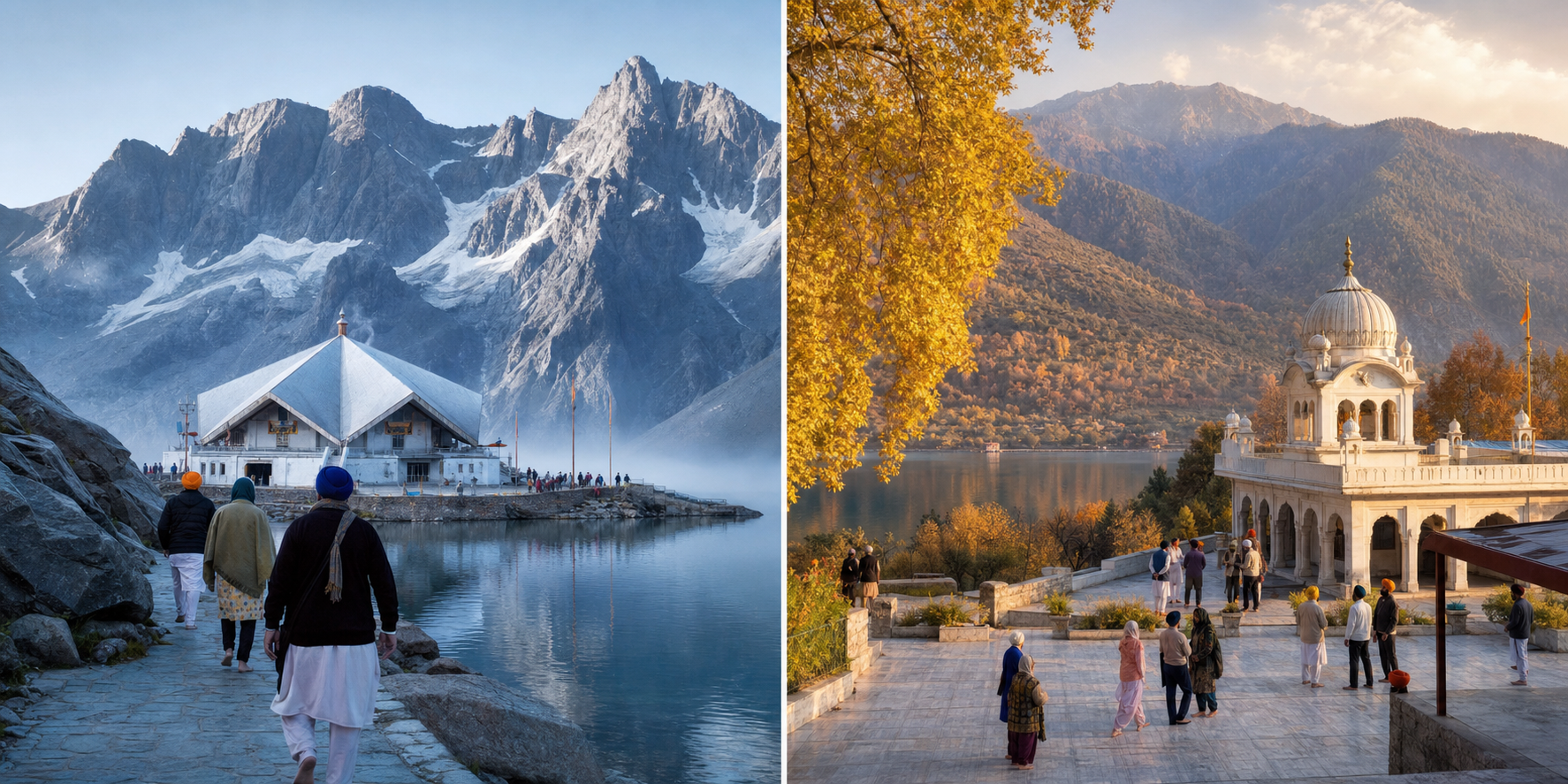
Reclaiming the Rababi voice through the legacy of Rai Balwand and Bhai Satta reconnects Sikh kirtan to its string-led, raga-based heart while affirming a deep history of interfaith harmony. Their Ramkali ki Vaar, preserved in the Guru Granth Sahib, models humility, repentance, and the continuous light of the Guru across generations. The article maps the…
-
ASI survey reveals temple-era spolia at Bhojshala–Kamal Maula, renewing shared heritage

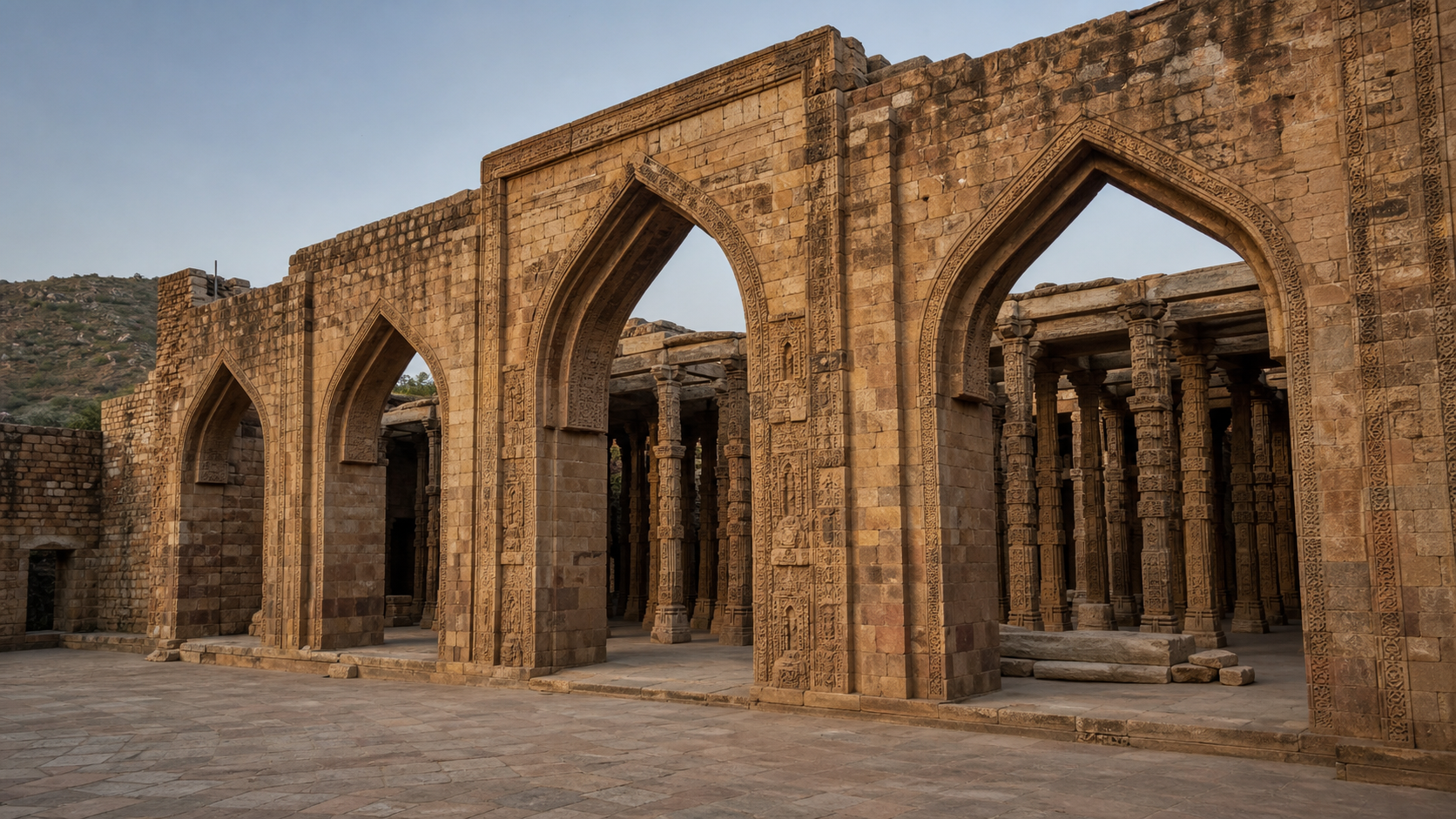
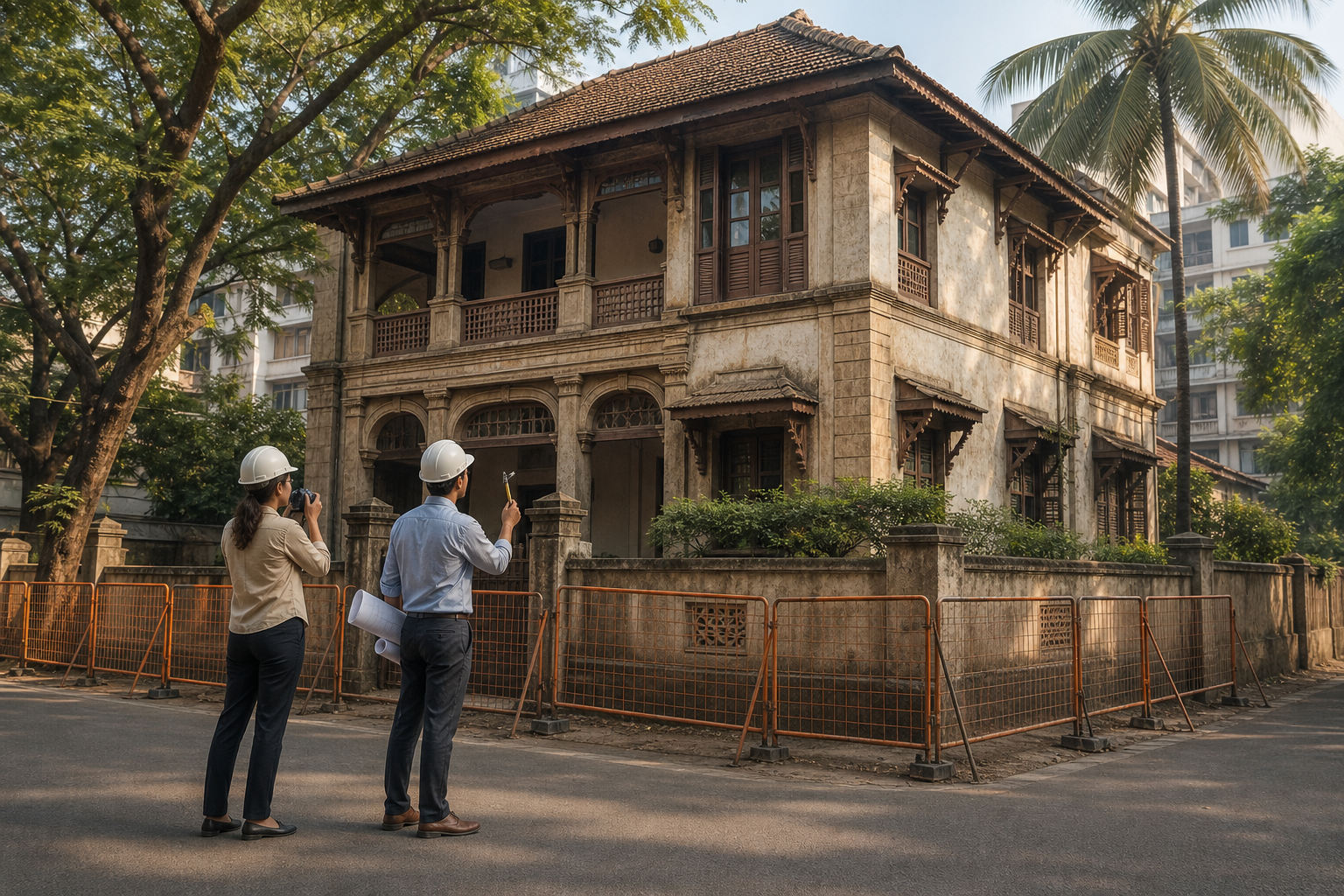
An ASI survey at the protected Bhojshala–Kamal Maula monument in Dhar, Madhya Pradesh, has renewed attention to the site’s layered history by documenting temple-era spolia reused within the present complex. This analysis explains, in clear archaeological terms, what ‘pre-existing structure’ and ‘spolia’ mean and why such findings are common across India’s syncretic monuments. It situates…
-
Vishkanya in Hindu Temples: Unmasking the Haunting Symbolism, Statecraft, and Ethics

The Vishkanya (Vishakanyaka), or “poison maiden,” is one of the most intriguing and misunderstood figures in Hindu temple iconography. This long-form analysis situates the motif within Arthaśāstra-inspired statecraft, narrative literature like Mudrārākṣasa, and the premodern study of toxicology (agada-tantra). It explains how specific sculptural cues—such as a scorpion on the thigh or serpent ornaments—transform a…
-
Prabhavali or Prabhamandala: The Sacred Arch of Light, Protection, and Cosmic Order in Temples

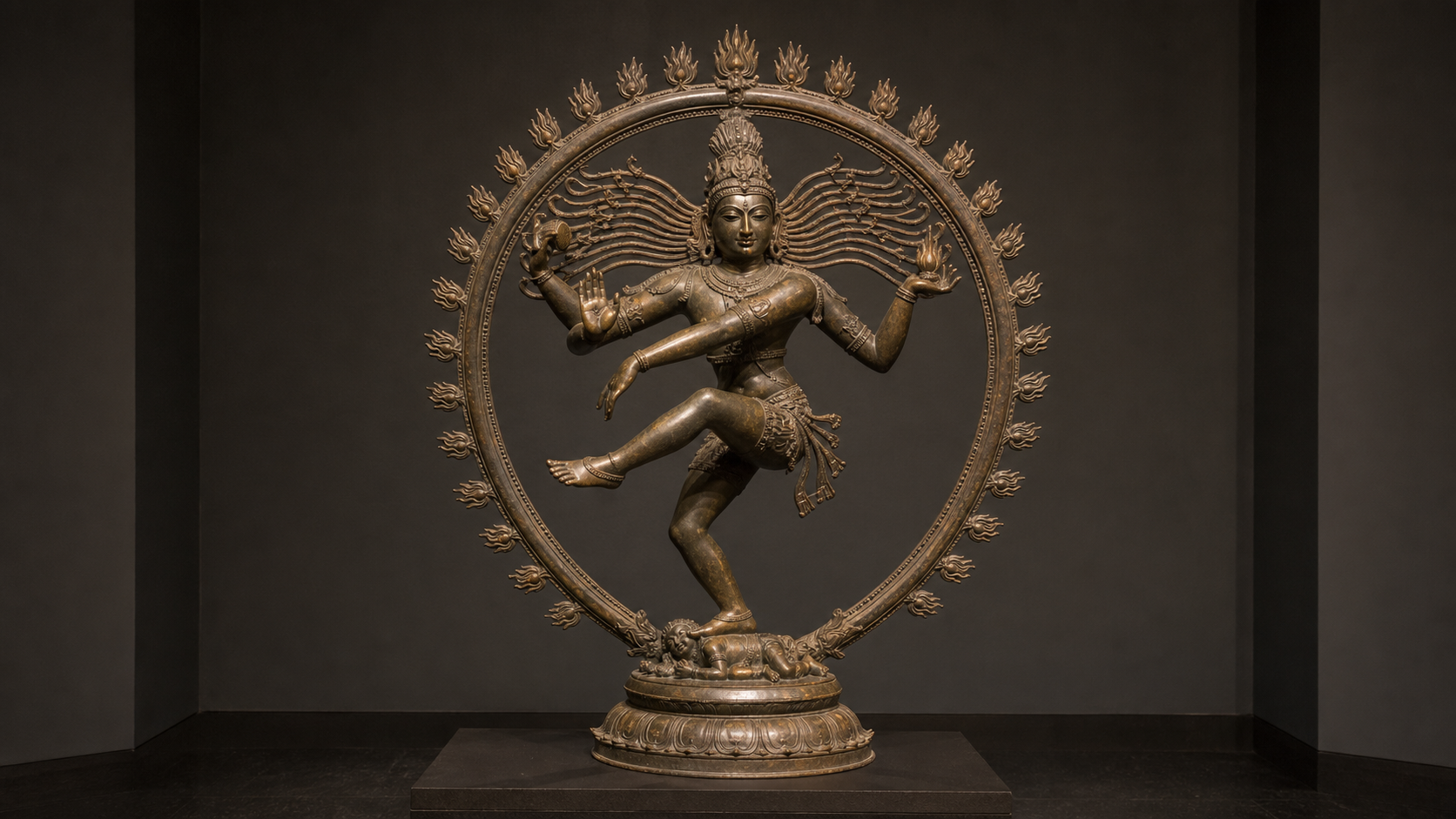
The prabhavali, or prabhamandala, is the luminous arch that frames deities in Hindu temple sanctums, uniting aesthetics, ritual function, and metaphysical meaning. Emerging prominently in classical and medieval India and perfected in traditions such as the Chola bronzes, it encodes protection, radiance, and cosmic order through motifs like kirtimukha, makara, and jvala flames. Stone, metal,…
-
Rakta Chamunda Unveiled: Iconography of the Red Warrior Goddess, Tantric Power, and Ritual Meaning

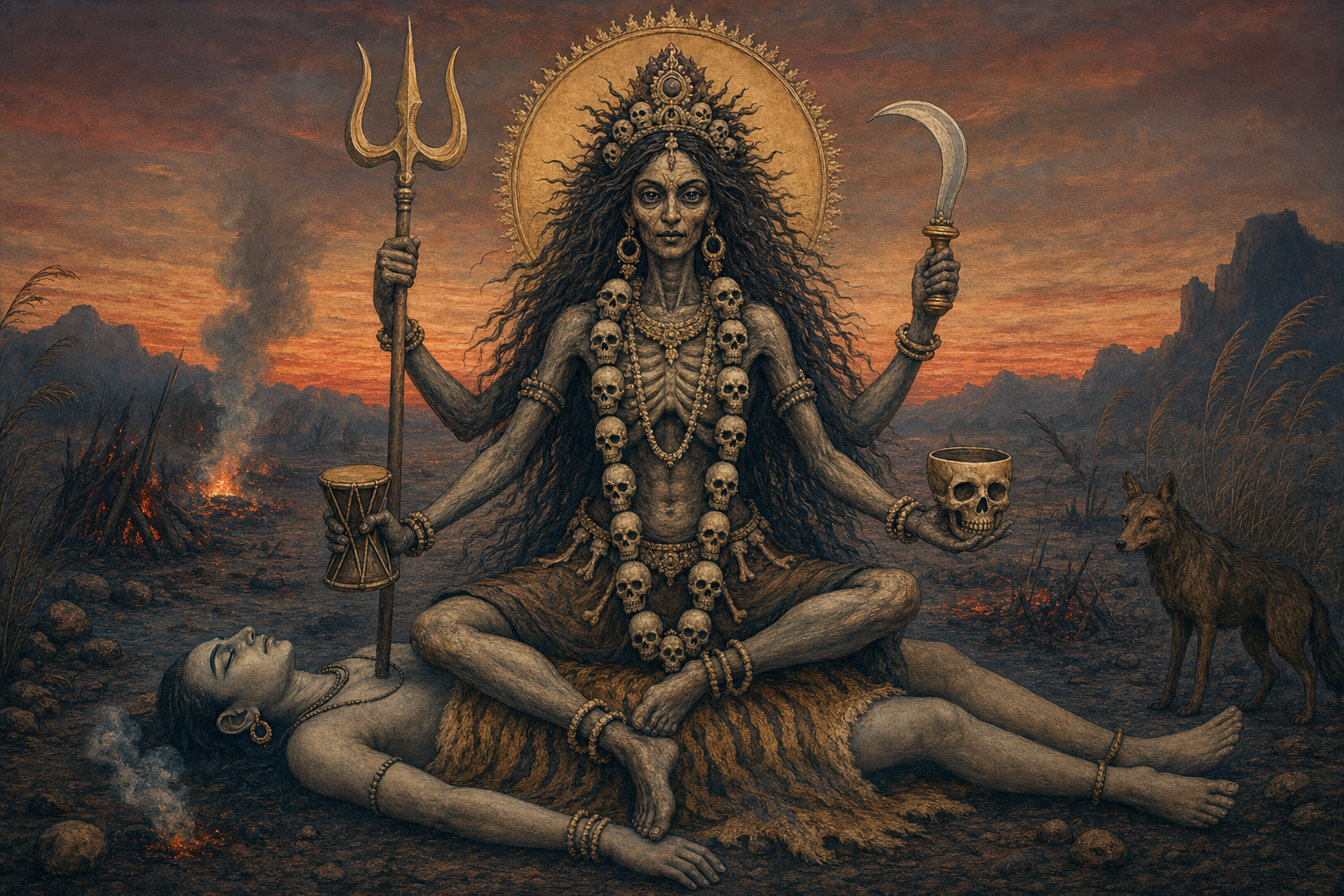
Rakta Chamunda—The Red Warrior Goddess—embodies a rigorous tantric grammar of protection and transformation rooted in the Devi Mahatmya. This long-form guide decodes her iconography: the red complexion, skull-garlands, cremation-ground setting, jackals, and martial postures that together announce the subjugation of ego and fear. Readers will learn how to identify Rakta Chamunda in temple and museum…
-
Kishkinda to Vijayanagara: Sacred Geography, Imperial Brilliance, and a Breach of Sanctity

This essay situates Hampi within the Ramayana’s sacred geography and the Vijayanagara Empire’s statecraft, tracing how Kishkinda’s mythic landscape informed an imperial capital of dazzling scale. Drawing on Valmiki’s lyrical account of Pampa, historical records of Vijayanagara’s global magnetism, and the catastrophe of Talikota, it examines why the material loss was matched by an erosion…
-
Madanikas in Hindu Temples: Sacred Feminine in Stone—Symbolism, History, and Devotional Aesthetics
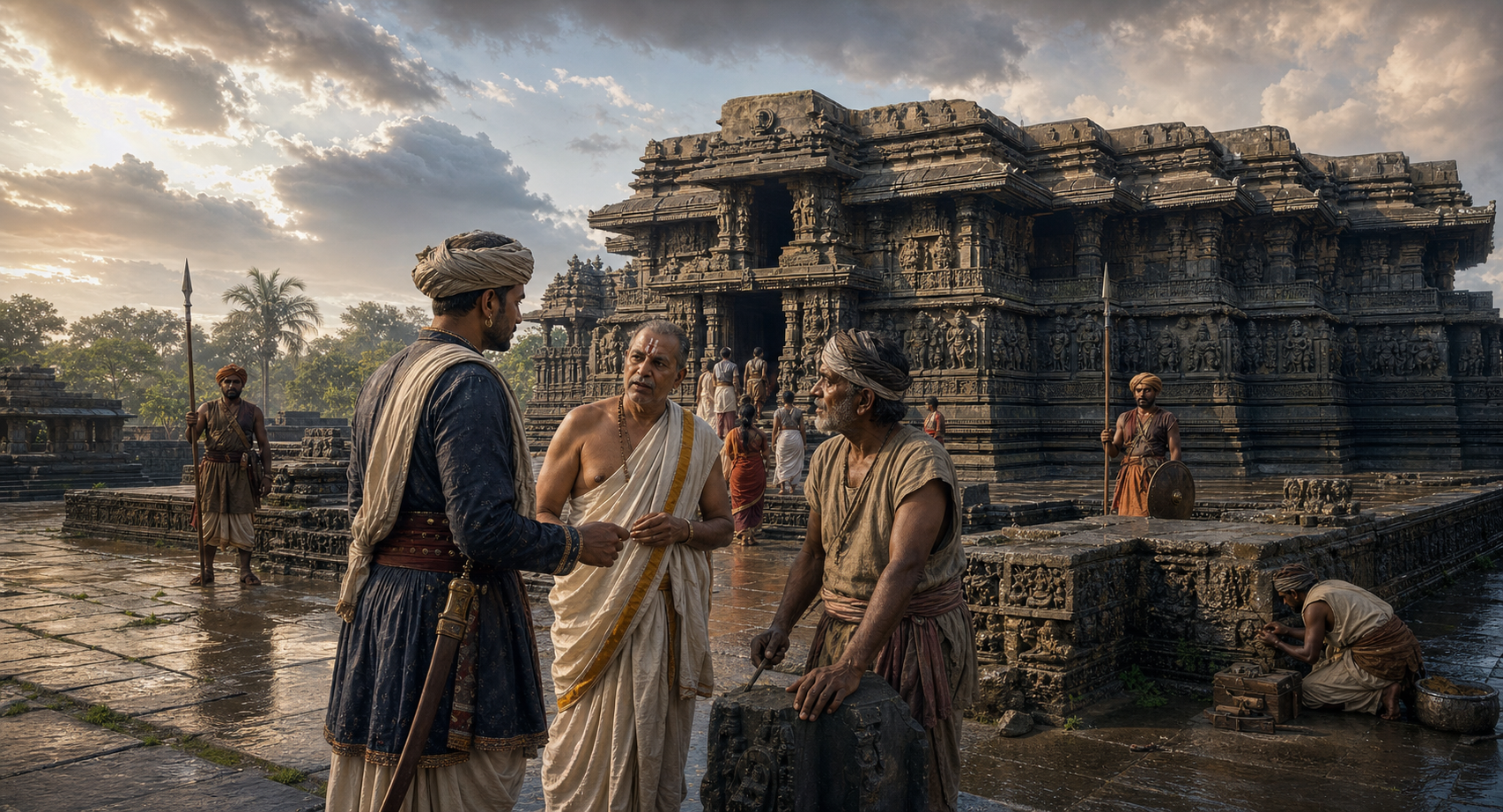
Madanikas—also known as śālabhañjikās—are among the most evocative symbols in Hindu temple architecture, uniting beauty, devotion, and metaphysics. This comprehensive overview traces their origins in early yakṣī imagery at Bharhut and Sanchi, follows their classical flowering in Hoysala temples at Belur, Halebidu, and Somanathapura, and situates related figures at Khajuraho, Konark, and Warangal. It explains…
-
Kuravi Veerabhadra Swamy Temple: Fierce Shaivite Power, Kakatiya Heritage, Rituals & Guide

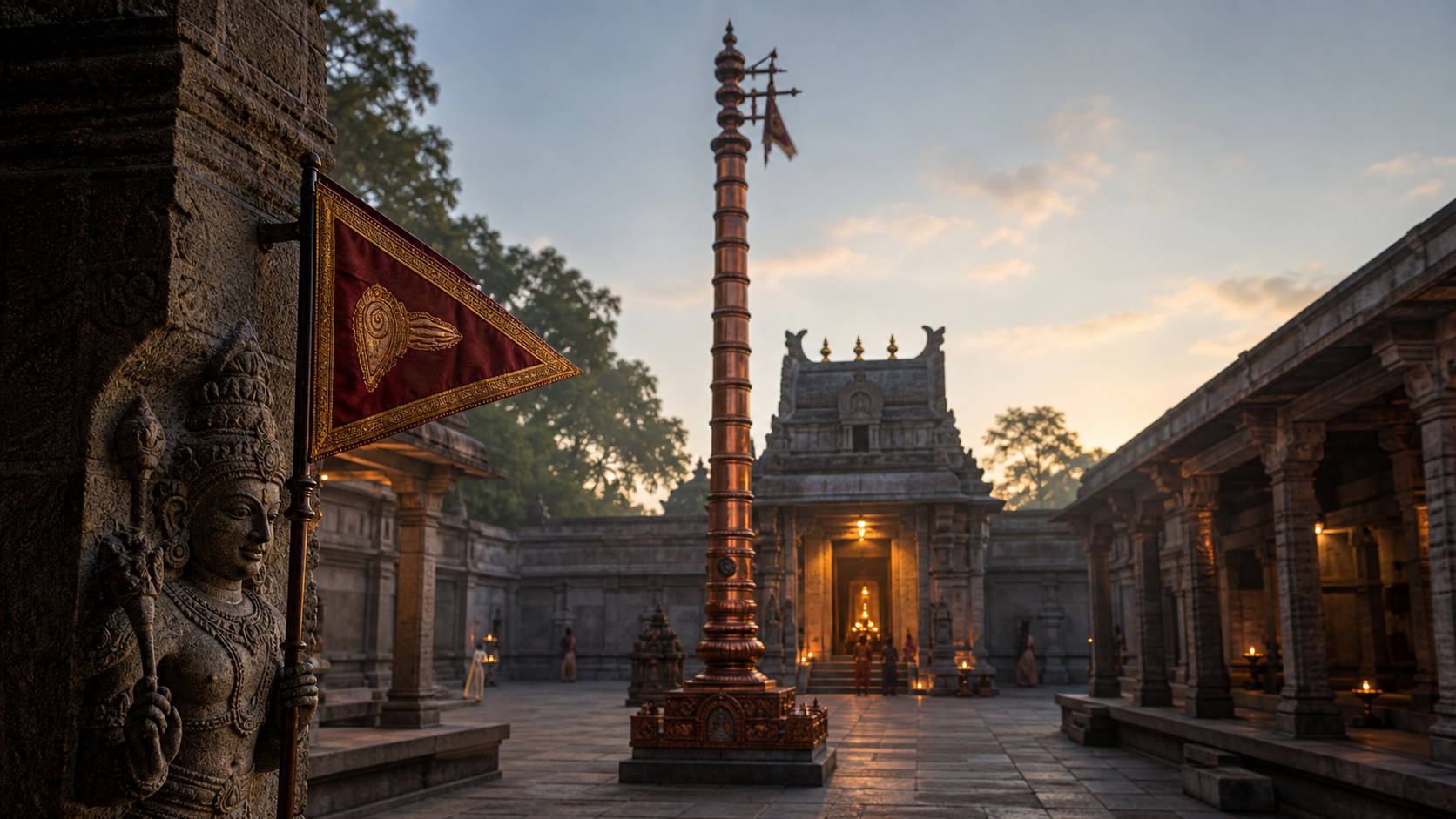
Kuravi Veerabhadra Swamy Temple in Mahabubabad, Telangana, is a living Shaivite kshetra where Veerabhadra’s fierce compassion is honored through precise daily rites and major festivals like Maha Shivaratri and Karthika masam. The shrine’s iconography, ritual cycle, and Dravida architectural grammar offer a clear, research-informed window into Telangana’s sacred heritage. Visitors gain practical guidance on access,…
-
Decoding the Karaga: Draupadi’s Living Shakti, Symbolism, and Community Unity in South India

The Karaga festival venerates Draupadi Amman as living Shakti through a sophisticated Shakta ritual centered on a sanctified earthen pot crowned with jasmine and neem. Anchored in Bengaluru’s Sri Dharmaraya Swamy Temple and observed across South India, it integrates vows, purity codes, and processional choreography to transform urban space into a sacred field. The martial…
-
Kuravi Veerabhadra Swamy Temple: Fierce Grace, Living History, Rituals, and Travel Guide

Kuravi Veerabhadra Swamy Temple in Mahabubabad, Telangana, is a living Shaivite sanctuary where fierce grace meets compassionate protection. Dedicated to Veerabhadra Swamy, iconographically known for three eyes and ten arms, the shrine embodies the Daksha Yajna narrative as a lesson in restoring balance through dharma. Visitors encounter a contemplative experience shaped by daily abhishekam, Sri…
-
Hotṛ, Rigvedic Master of Sacred Sound: Role, Ritual Science, and Legacy in Yajña

The Hotṛ is the Rigvedic specialist who gives Vedic yajña its articulate voice through precise śāstra recitations. Anchored in exact meter (chandas) and tonal accent (svara), the Hotṛ’s work integrates with the Adhvaryu’s actions, the Udgātṛ’s chants, and the Brahman’s oversight to ensure ritual integrity. Training includes advanced pāṭha methods and phonetic sciences, preserving textual…
-
Kumbha and Nikumbha in the Ramayana: Lanka’s Fiercest Duel, Dharma-Yuddha, and Justice

Kumbha and Nikumbha’s entry into the Lanka war crystallizes the Ramayana’s central themes of courage, anger, and divine justice. Situated in the Yuddha Kanda, their duels with Sugriva and Hanuman reveal how Dharma-Yuddha prizes restraint, clarity, and righteous alignment over sheer force. While valor is acknowledged on all sides, the epic distinguishes between bravery harnessed…
-
Enigmatic Two-Headed Golden Deer: What Regional Ramayanas Reveal about Sita’s Abduction

The Ramayana’s Sita abduction episode is not a fixed script but a living tradition across India. In select Kerala and Tamil Nadu repertoires, the golden deer becomes a two-headed marvel, amplifying the epic’s meditation on maya, desire, and deception. Anchored in Valmiki’s Aranya Kanda yet enriched by Kamba Ramayanam, Adhyatma Ramayanam Kilippattu, and folk performance,…
-
Muthuswami Dikshitar: Timeless Master of Carnatic Music’s Sacred, Scholarly Soundscape

Muthuswami Dikshitar (1775–1835) shaped Carnatic music with compositions that unite devotion, Sanskrit scholarship, and raga–tala architecture. A pillar of the Trinity, his kritis function as sonic maps to South Indian temples, preserving iconography, rituals, and sacred geography. Anchored in the Venkatamakhin asampurna tradition, he crafted raga-lakshana masterpieces and explored talas beyond the ordinary with serene…
-
Sacred Robes Betrayed: Ravana’s Sanyasi Deceit, Sita’s Abduction, and Shiva’s Silent Wrath

This long-form analysis examines Ravana’s abduction of Sita through the guise of a Sanyasi, highlighting why the episode is treated across Ramayana traditions as a grave betrayal of civilizational trust. It clarifies the Valmiki baseline, explains later vernacular expansions, and separates popular motifs like the Lakshmana Rekha from the Sanskrit core while preserving their ethical…
-
Historic Milestone: Pran Pratishtha of 12 Jyotirlingas at Shri Goveshwar Devasthan, Old Goa

Shri Goveshwar Devasthan (Mahashiv Temple) in Old Goa has marked a historic milestone with the Pran Pratishtha of twelve Jyotirlinga representations in a single precinct. The ceremony aligns with Agamic and Shilpa Shastra principles, transforming crafted icons into a living locus of presence through mantric and liturgical precision. The twelve-Jyotirlinga configuration offers a compact, pedagogical…
-
Safeguarding the Shankaracharya Parampara: Ex-CBI Chief Seeks Unity, Dignity, and Dialogue

A widely discussed letter by former CBI Director M. Nageswara Rao urges the Shankaracharyas of Puri, Sringeri, and Dwarka to help resolve a row over the alleged humiliation of the Jyotirmath Shankaracharya. This analysis explains why the Shankaracharya Parampara is pivotal to Hindu Tradition and Culture and outlines how amnaya peethas and temple administrations can…
-
Unveiling Pushpaka Vimana: Adivasi Ass-Drawn Chariot Symbolism and Ramayana’s Living Tapestry

Pushpaka Vimana is widely known from the Ramayana as a self-moving, flower-decked aerial vehicle, yet in central India’s Adivasi traditions it is reimagined as a humble ass-drawn chariot. This long-form analysis explains how that shift is a culturally precise translation rather than a loss of meaning. Drawing on philology, iconography, and cultural anthropology, it shows…
-
Herath 2026: Kashmiri Pandits’ Shivaratri on Trayodashi—Date, Ritual Science, and Living Heritage

Herath—Shivaratri as preserved by Kashmiri Pandits—will be observed on 15 February 2026, in accordance with the rule that the tithi present at Nishita Kaal (midnight) governs the vrata. Unlike the pan-Indian practice on Chaturdashi, Herath follows Trayodashi when Chaturdashi does not prevail at Nishita, a principle attested in classical dharma digests. The article explains this…
-
Ugra Narasimha of Maddur: Fierce Divinity, Temple History and Arjuna’s Living Legend

Maddur’s ancient Ugra Narasimha Murty in Karnataka presents Vishnu’s half-man, half-lion avatar at the very instant of protecting Prahlada and ending Hiranyakashipu’s tyranny. This in-depth study situates the shrine within regional temple history, explains the murti’s technical iconography through Puranic and Pancharatra lenses, and evaluates the local oral tradition linking Arjuna of the Mahabharata to…