Itu Puja, also known as Itu Vrata, holds a cherished place in Bengal as a devotional observance for family health, prosperity, and harmonious relationships. Traditionally undertaken by married women for the welfare of the household and by unmarried girls with hopes of a virtuous life partner, the vrata is performed with quiet dedication in the morning across homes and community spaces. The practice reflects Bengal’s living heritage while expressing a shared dharmic ethos of care, discipline, and gratitude.
In 2025, Itu Puja in Bengal is expected to be observed on consecutive Sundays during the Bengali month of Agrahayan (roughly mid-November to mid-December), aligning with the period often referred to as Margashirsha in the pan-Indian calendar. As almanac traditions vary by region, exact Itu Puja 2025 dates in Bengal should be confirmed with the local Bengali Panchang, temple announcements, or community calendars. Most households observe the vrata in the morning, maintaining the serene rhythm that defines this ritual sequence.
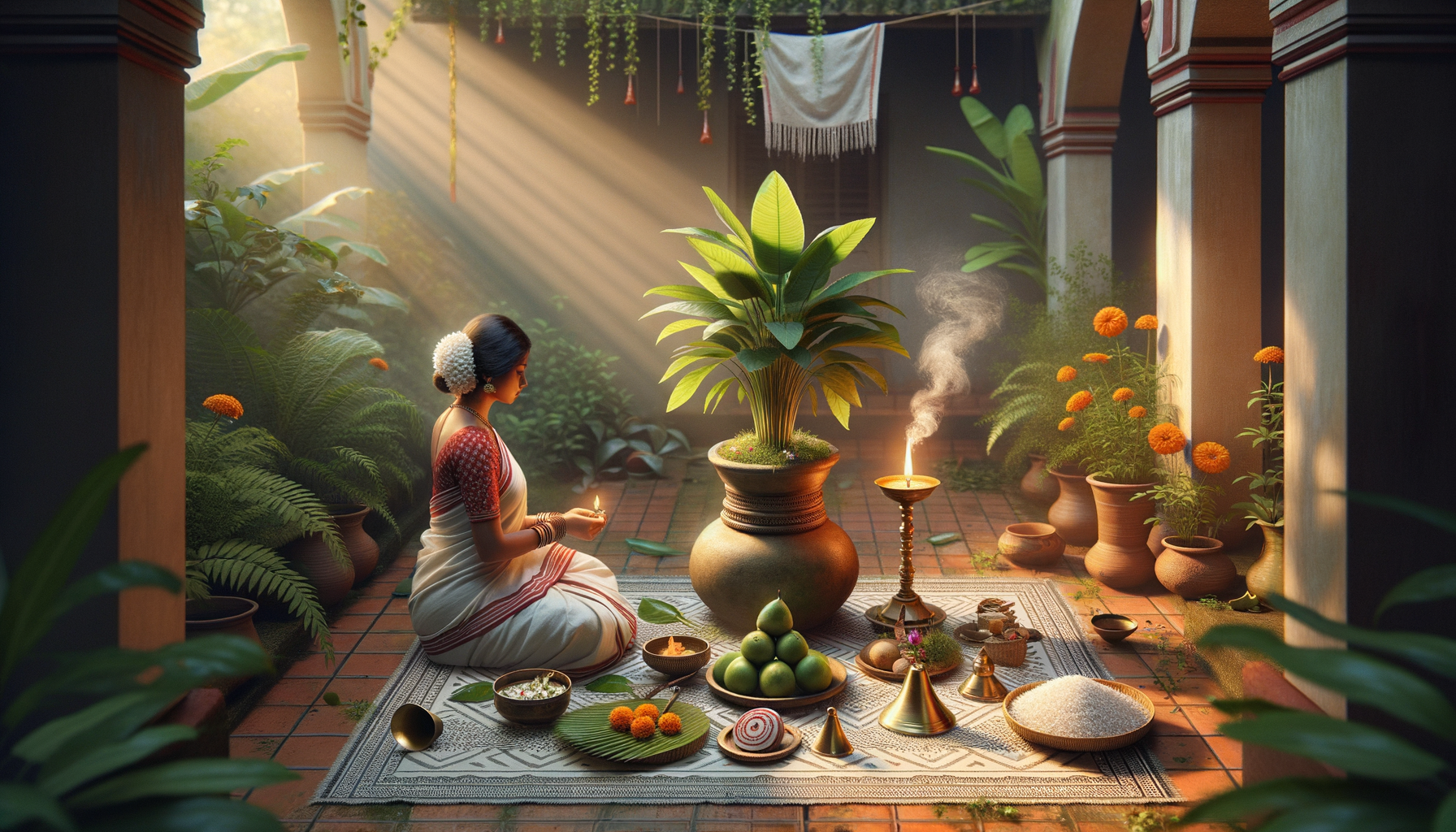
The vrata typically includes an early morning snana (bath), preparing a clean space near a home shrine or Tulsi plant, lighting a diya, and making a sankalpa (vow) for family wellbeing. Offerings are simple and sattvic—fruits, homemade pitha, seasonal grains, and flowers—accompanied by quiet prayers and collective participation by family members. The observance is usually maintained across successive Sundays, culminating in a concluding act of gratitude that reinforces continuity, restraint, and devotion.
Beyond its ritual form, Itu Puja nurtures intergenerational bonds and affirms the role of women as stewards of cultural memory, compassion, and household resilience. While the observance itself is a Bengali Hindu vrata, its values—care for family, mindful living, and ethical commitment—resonate with the wider dharmic traditions of Hinduism, Buddhism, Jainism, and Sikhism. This shared emphasis on wellbeing (artha and sukha pursued with dharma), compassion, and self-discipline fosters unity across traditions without conflating their distinct practices.
For practical preparation in 2025, families may consult the local Panchang to align each Sunday’s puja with sunrise and community guidance. Using seasonal, locally sourced offerings and eco-friendly materials sustains both tradition and environmental mindfulness. In urban settings, small home altars and community halls provide inclusive spaces for observance; in rural areas, courtyards and shared courtyards bring neighbors together. In every context, the morning pace, modest offerings, and collective prayer convey the heart of the vrata.
Observed with clarity of intention and gentle devotion, Itu Puja 2025 in Bengal offers a meaningful path to honor ancestral customs, strengthen family wellbeing, and reaffirm unity within the broader dharmic family. By verifying dates locally and keeping the practices simple, sincere, and inclusive, communities preserve a timeless ritual that remains both accessible and profound.
Inspired by this post on Hindu Pad.