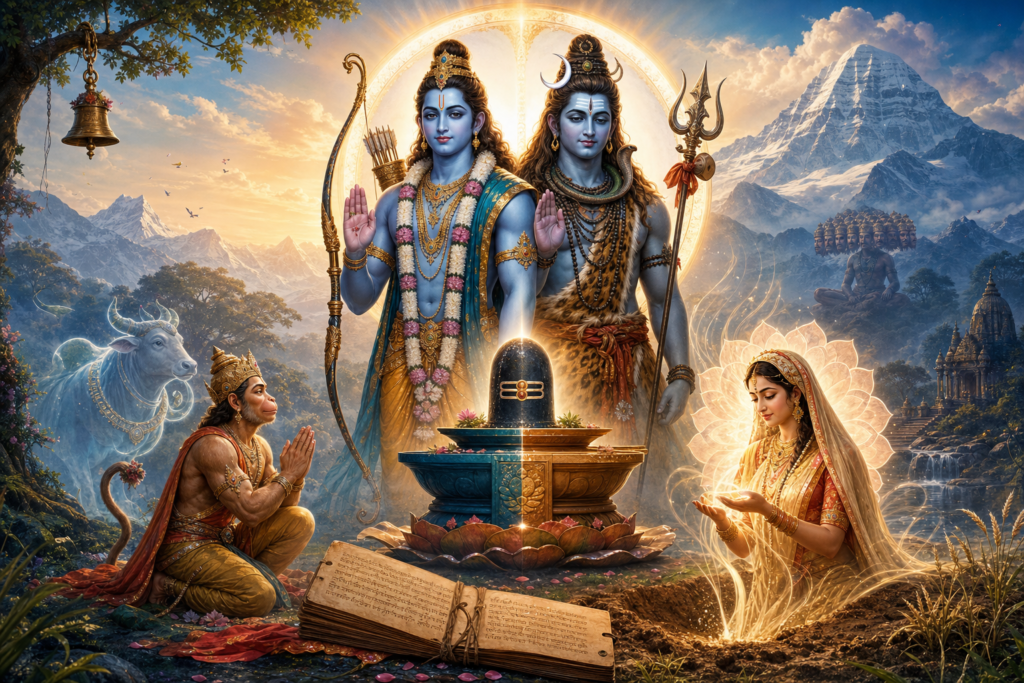
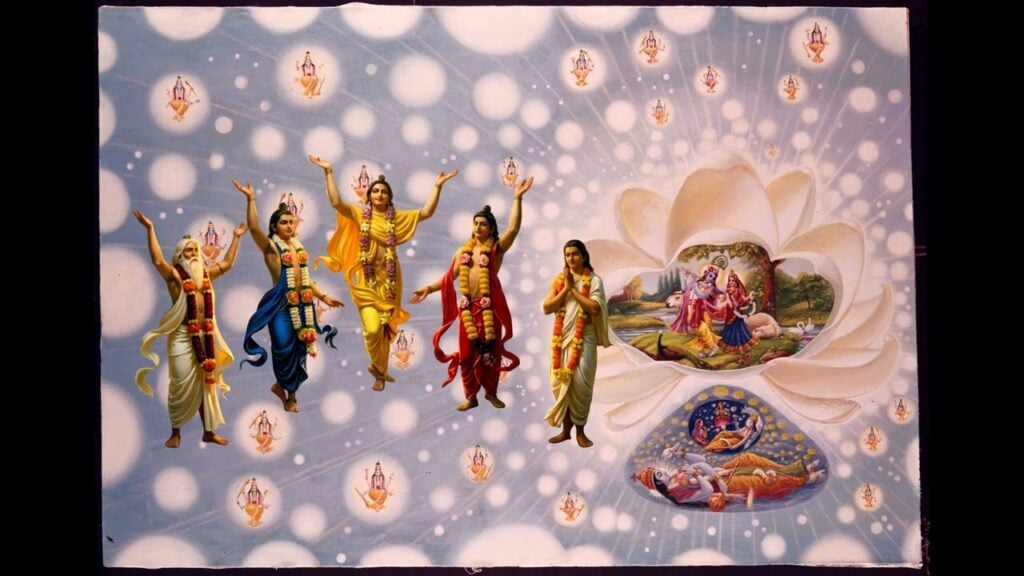
Triprayar Ekadasi, also written as Thriprayar Ekadashi, is observed on the Ekadashi tithi in the Vrischikam month of the Malayalam calendar. In 2025, the observance falls on December 15. Centered at the Thriprayar Sri Rama Temple near Thrissur in Kerala, the celebration extends across fourteen days, with Ekadashi marking the spiritual peak of the observance.
Across Kerala, Ekadashi is traditionally associated with vrata (fasting), restraint, and devotional practices dedicated to Sri Vishnu and Sri Rama. At Thriprayar, devotees typically undertake a simple, sattvic fast, engage in japa, recite the Rama Nama and other stotras, and participate in special darshan and pujas conducted throughout the festival period. These practices aim to cultivate clarity, compassion, and inner discipline.
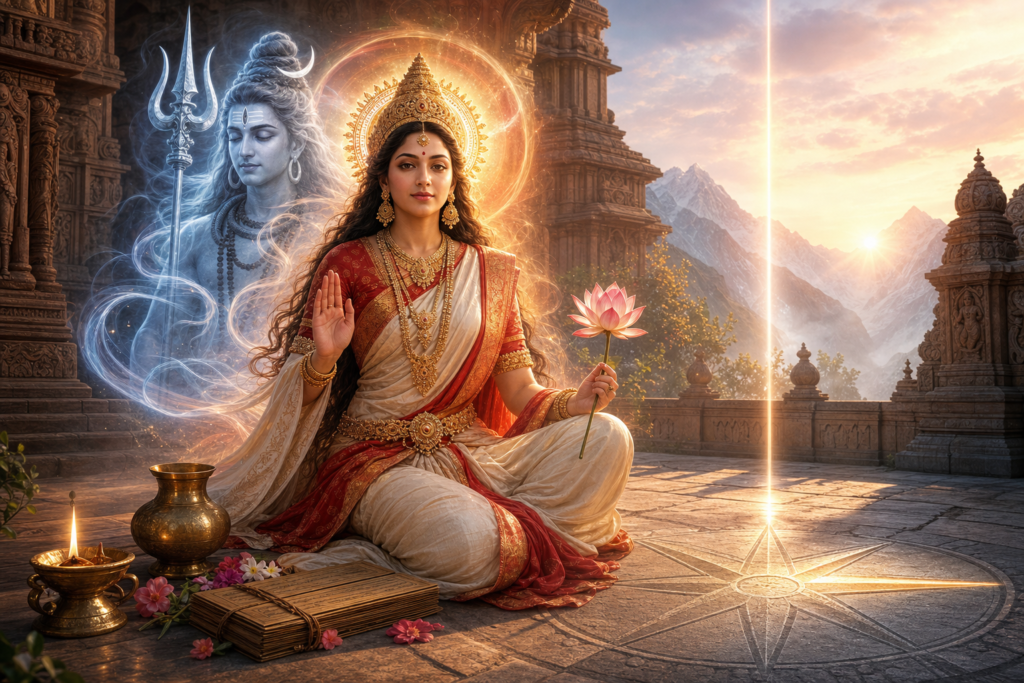
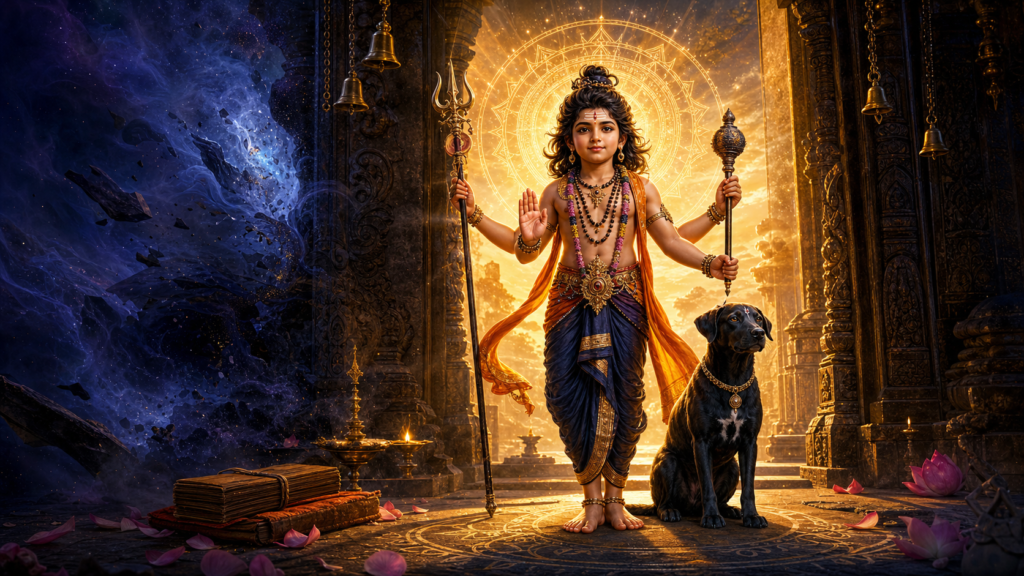
A distinctive feature at Thriprayar on Ekadashi is the solemn procession of Saasta, an expression of Kerala’s living temple traditions. The Saasta (Sastha) procession is revered as a symbol of protection and dharmic guardianship, harmoniously complementing the Rama-centric worship of the temple. This integrative ritual ecology reflects the inclusive fabric of Kerala’s sacred culture.
Ritual highlights through the fortnight often include Vedic chanting, evening deepa-araadhana, and melodic bhajans that draw pilgrims from Thrissur and surrounding regions. Temple rhythms, percussion ensembles, and collective prayer create an atmosphere that blends aesthetic devotion with disciplined observance, strengthening community bonds and continuity of heritage.
In cultural-historical terms, Thriprayar Sri Rama Temple is a prominent center of Sri Rama bhakti in central Kerala. The fourteen-day cycle around Ekadashi embodies the region’s synthesis of devotion, temple arts, and community participation. Families often plan their visits to coincide with the most auspicious moments of the Ekadashi tithi to experience the rites at their devotional zenith.
Values emphasized during Triprayar Ekadashinon-violence, self-restraint, seva, and contemplationresonate across the dharmic traditions of Hinduism, Buddhism, Jainism, and Sikhism. The festival’s focus on ethical conduct, mindful fasting, and service encourages unity in spiritual purpose while honoring the diversity of practice that characterizes India’s civilizational ethos.
For pilgrims, practical planning enhances the experience: arriving early on festival days, following local temple codes of dress and decorum, and using eco-conscious offerings support both smooth participation and heritage conservation. As Ekadashi observance is guided by lunar calculations, devotees are advised to confirm local tithi timings and temple schedules, as they may vary slightly by location.
Many visitors describe the Ekadashi at Thriprayar as a time of reflective serenity, where the cadence of chants, the glow of lamps, and the dignified Saasta procession collectively foster a sense of inner renewal. Observing the vrata at this temple is widely regarded as spiritually elevating, deepening devotion to Sri Rama while reinforcing shared dharmic values that inspire harmony and compassion.
Inspired by this post on Hindu Pad.