Anagha Devi is revered in the Datta tradition as the Shakti of Lord Dattatreya, embodying the auspicious, protective, and nurturing force of the Divine Mother. The name “Anagha” signifies purity and freedom from blemish, and this theological nuance illuminates why devotees honor her as a fount of compassion and ethical clarity. Descriptions of Mata Anagha consistently highlight a luminous, serene countenance and a benevolent presence, often associated with holding the divine nectar (amrita), a symbol of healing grace and spiritual renewal.
Within Hindu thought, Lord Dattatreya represents integrated wisdom and continuity among diverse streams of knowledge, while Anagha Devi is understood as the vital dynamism that animates and completes that wisdom. This complementary relationship expresses a core principle in dharmic philosophy: Shakti and consciousness are inseparable in sustaining the cosmos, guiding seekers toward balance, discernment, and devotion. In lived practice, many worshipers turn to Maa Anagha for motherly care, moral steadiness, and strength during periods of uncertainty.
Iconographically, Maa Anagha is portrayed with a shining face and a calm, compassionate gaze that inspires confidence and trust. The association with amritadivine nectarreflects her role as a bestower of vitality and a restorer of inner harmony. Devotees understand these symbols not merely as artistic conventions but as signposts to lived virtues: kindness, resilience, and an unwavering commitment to truth and duty (dharma).
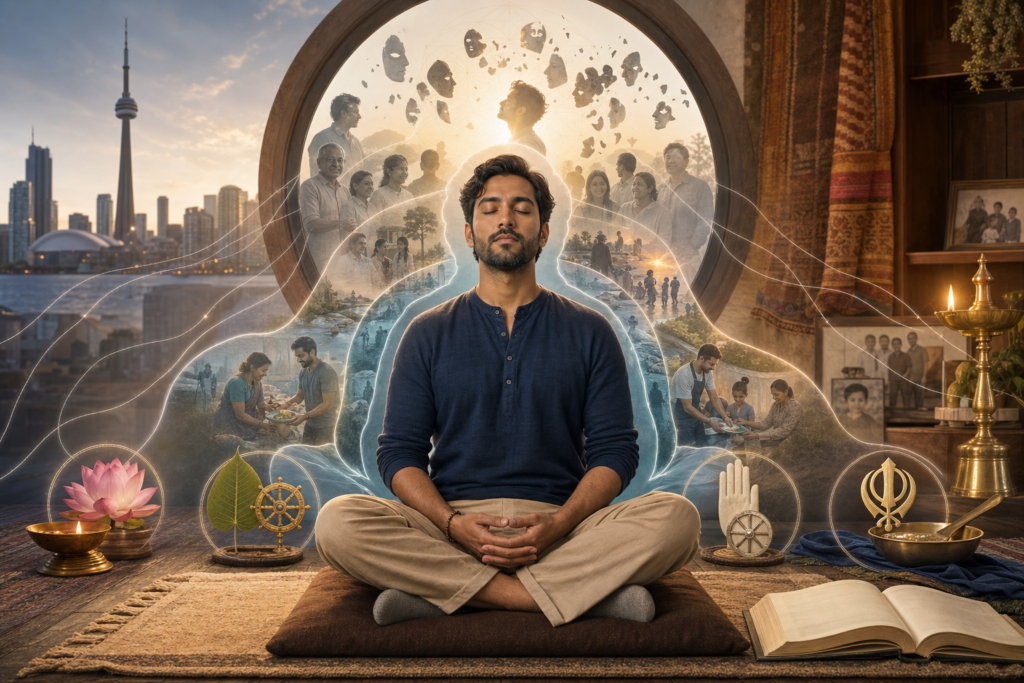
Devotional experience around Anagha Devi often centers on a felt sense of maternal protection and belonging. Worshipers describe a deep emotional bond that brings quiet assurance, much like a child’s trust in a caring guardian. Such experiences resonate broadly across the dharmic familyHindu, Buddhist, Jain, and Sikh communities regularly honor compassionate, wisdom-bearing feminine principlesnurturing a spirit of unity that respects plural paths while cherishing shared values of compassion, non-violence, and inner transformation.
Everyday practice can be simple and meaningful: contemplative remembrance of Anagha Devi’s qualities, recitation of divine names, and offerings of flowers or gratitude in a clean, quiet space. Many also integrate service (seva) and mindful speech as living expressions of her grace, acknowledging that devotion matures through ethical conduct and empathy. These practices naturally complement broader spiritual disciplinesmeditation, scriptural study, and community servicestrengthening harmony within families and communities.
In sum, honoring Anagha Devi as the Shakti of Lord Dattatreya offers a clear, accessible path into the heart of Sanatana Dharma’s inclusive vision. The compassionate presence of Maa Anagharadiant, protective, and restorativeencourages seekers to cultivate inner purity, to act with courage and tenderness, and to appreciate the unity that underlies the diverse expressions of the Divine across dharmic traditions.
Inspired by this post on Hindu Pad.