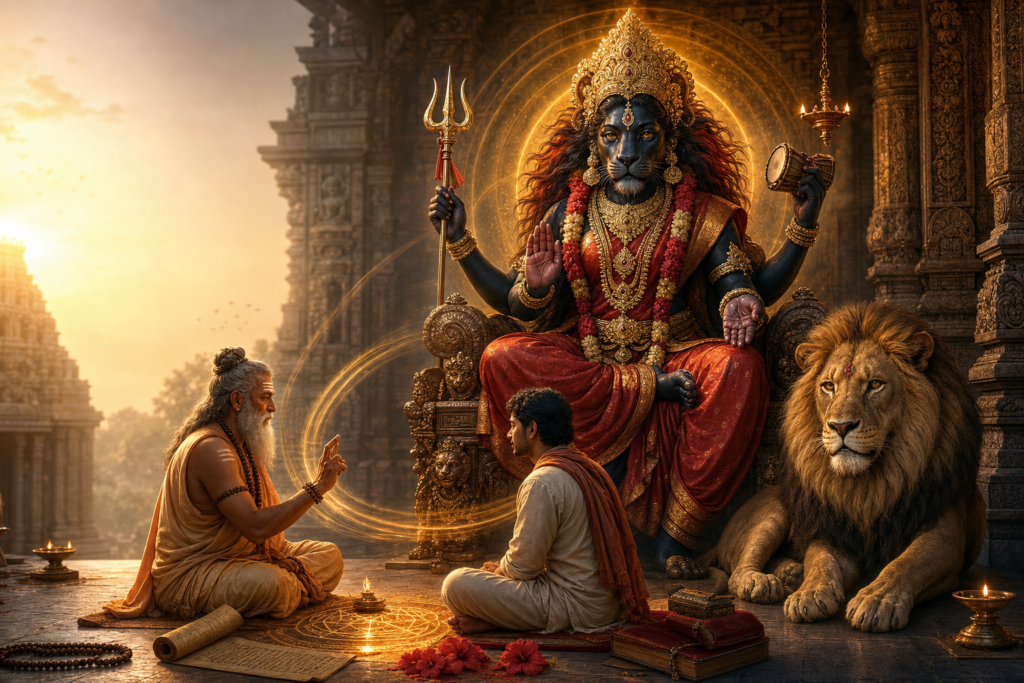
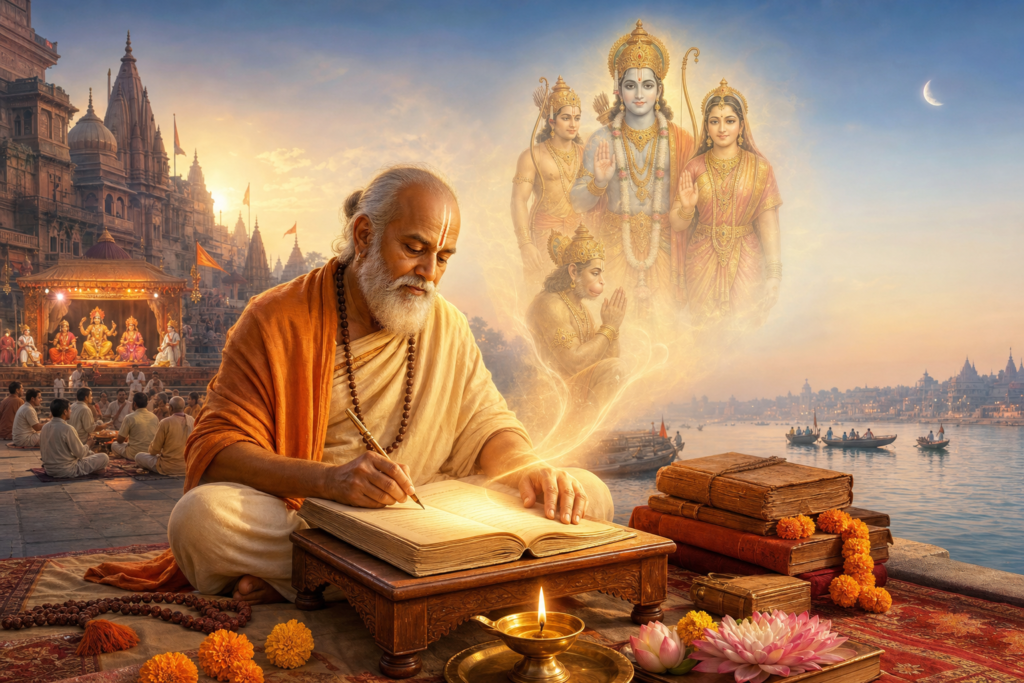
Within the vast intellectual and moral landscape of the Mahabharata, Vidura stands out as a statesman whose influence derives not only from incisive counsel but also from a calibrated discipline of speech and silence. In a court where rhetoric often escalated conflict, Vidura demonstrated that restraint itself can become resistancean ethical instrument that safeguards dharma without inflaming adharma. This reading aligns with a shared dharmic ethos across Hinduism, Buddhism, Jainism, and Sikhism, where self-mastery, right speech, and non-harm are elevated as pathways to just conduct and social harmony.
As the wise minister of Hastinapura and a moral anchor to Dhritarashtra, Vidura articulated a comprehensive vision of governance and ethics summarized in Vidura-niti. His guidance balanced rajadharma (duties of a ruler) with personal integrity. When persuasion failed and counsel was disregarded, Vidura deployed another form of leadership: measured silence and principled withdrawal. This was not passive complicity; it was a deliberate refusal to validate adharma, mirroring a broader dharmic insight that one strengthens truth not only by speaking at the right time but also by refusing to lend energy to falsehood.
Historical episodes reinforce this pattern. Vidura repeatedly warned Dhritarashtra against the injustice perpetrated upon the Pandavas and spoke firmly against humiliations in the royal assembly. Yet when Duryodhana’s hubris crossed ethical limits, Vidura stepped back from participation and, after being insulted, left the courtonly to return at Dhritarashtra’s request. The gesture clarified an ethical boundary: counsel would be offered, but complicity would not. In contemporary terms, this is strategic non-cooperationa form of resistance rooted in clarity rather than confrontation.
Vidura’s stance exemplifies an approach to moral dilemmas that extends beyond rule-bound formulations of dharma. He assessed not merely the letter of norms but their living application in time, place, and consequence. This subtle discrimination (viveka) is echoed across dharmic traditions: in Buddhism’s Right Speech, which favors truth, benefit, and timeliness; in Jainism’s Anekantavada and Ahimsa, which temper absolutes through many-sidedness and non-violence; and in Sikh ethics, where steadiness and integrity ground public action. Across these traditions, speech is a sacred power; its restraint is not weakness but wisdom.
Vidura-niti offers a durable framework for leaders and citizens alike: speak when words may prevent harm; be silent when speech would inflame conflict; and withdraw when presence would legitimize injustice. Udyoga Parva further illustrates this equilibrium, where efforts toward peace were pursued with persistence, yet not at the cost of moral clarity. The result is an ethic that combines compassion with unyielding boundariesa model of ethical leadership relevant to governance, public discourse, and community life.
For modern readers, the lesson is both practical and humane. Ethical leadership demands calibrated voice: the courage to warn, the humility to pause, and the resolve to abstain from systems that reward adharma. Such restraint does not abdicate responsibility; it redefines influence in service of truth. By aligning with shared dharmic principlesRight Speech, Ahimsa, and the primacy of conscienceVidura’s example invites plural communities to advance justice without enmity, and firmness without aggression.
In an age saturated with noise, Vidura’s silent wisdom offers a method and a measure: let speech be purposeful, let silence be principled, and let withdrawal signal the sanctity of ethical limits. This is resistance with dignityrooted in dharma, enriched by the insights of multiple dharmic traditions, and enduringly relevant to the moral challenges of public life.
Inspired by this post on Hindu Blog.