
-
Narada’s Prophetic Warning to Dhritarashtra: Dharma, Karma, and Inevitable Justice for Leaders
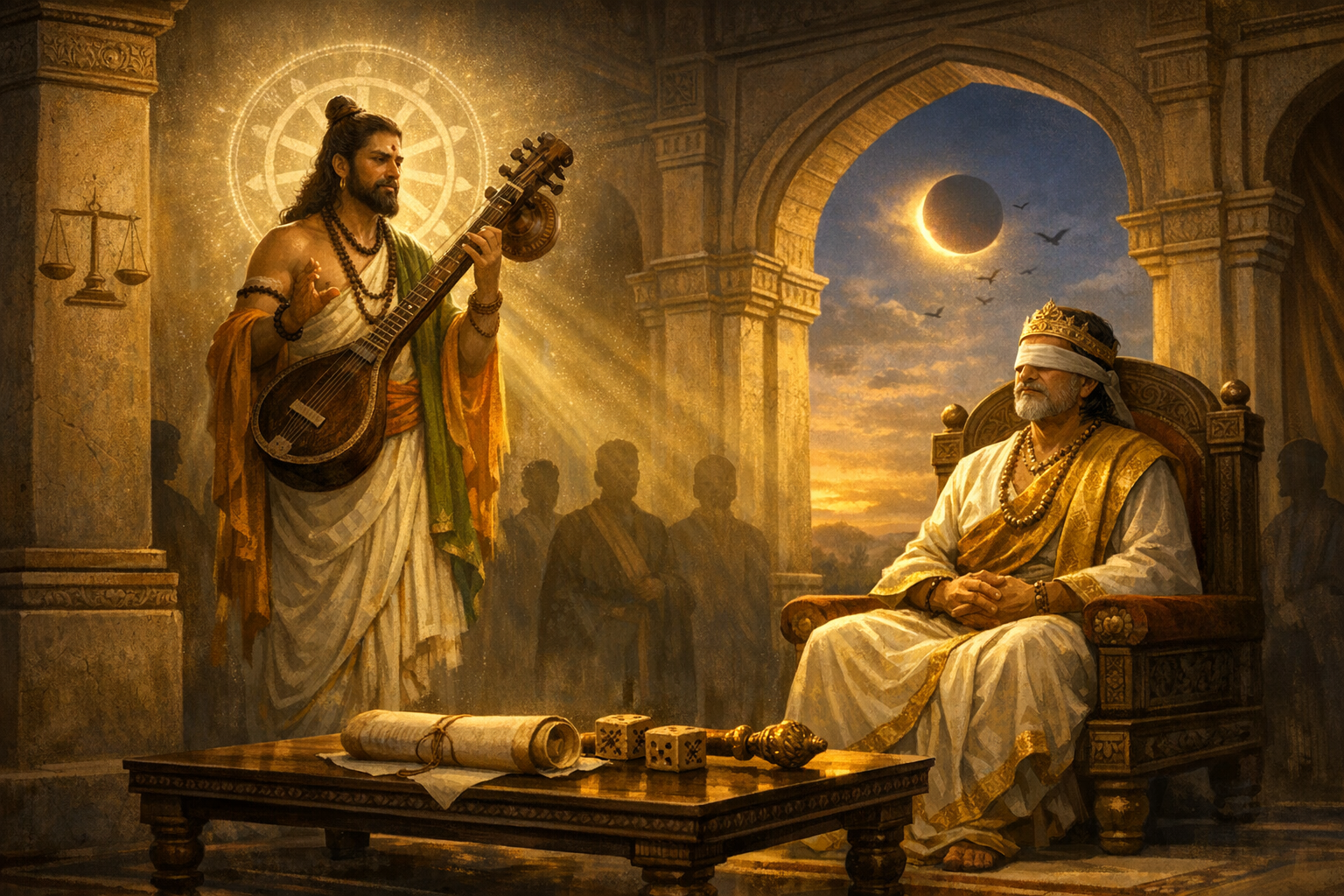
Narada’s warning to Dhritarashtra in the Mahabharata presents a rigorous blueprint for ethical leadership grounded in rajadharma, karma, and restorative justice. Positioned alongside Vidura-niti, the Sanatsujata discourse, and Krishna’s peace embassy, the episode shows how principled counsel was offered repeatedly before war became inevitable. The analysis clarifies that Narada’s prophecy is not fatalism but a…
-
Nīti in Hindu Thought: Timeless Ethics, Just Governance, and Dharmic Unity Explained

Nīti, from the Sanskrit nī (to lead), is the applied ethics of Hindu thought that unites personal virtue, just governance, and jurisprudence. This comprehensive overview clarifies how nīti relates to dharma, nyāya, rājadharma, and daṇḍanīti, explaining why means matter as much as ends. It surveys Vidura-nīti, the Arthasastra, Nītisāra, and narrative texts like the Pañcatantra…
-
Dandaniti and Rajadharma: Ancient Hindu Statecraft for Just, Stable, Ethical Governance

Dandanitiancient India’s science of governanceunites authority with ethics by treating punishment as a disciplined last resort under dharma. Drawing on Arthasastra, Dharmasastra, and Vidura-niti, it details institutions, courts, revenue, internal security, diplomacy, and just war norms. The saptanga model organizes the state’s limbs and anticipates modern concerns for fiscal prudence and checks on power. Procedural…
-
Eighteen Parvas of the Mahabharata: Sacred Architecture, Dharma, and Timeless Symbolism

The Mahabharata’s division into eighteen Parvas is a sacred architecture that encodes as much meaning as the verses themselves. Eighteen recurs across the traditionParvas, war days, akshauhinis, and the Gita’s chapterssignaling a deliberate design that integrates nature and human faculties under dharma. Organized in arcs from origins and diplomacy (Udyoga Parva) to war (Bhishma to…
-
Purochana in the Mahabharata: Lac Palace Conspiracy, Fatal Loyalty, and Dharmic Lessons
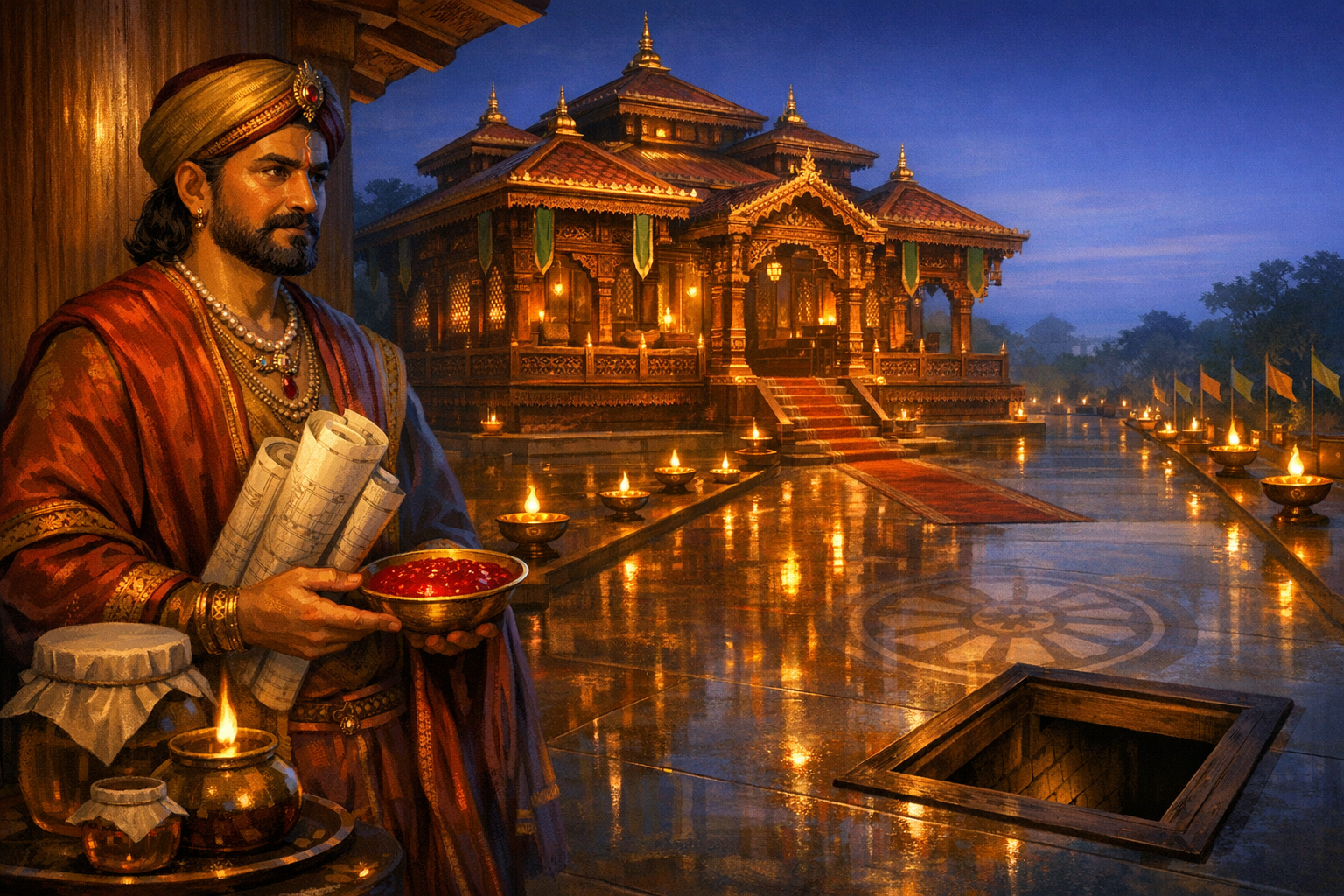
This analysis unpacks Purochana’s role in the Mahabharata’s Lakshagraha conspiracy as a study in ruthless loyalty, covert statecraft, and ethical failure. It situates the plot in the Adi Parva and explains how a luxurious lac palace was engineered as a flammable death trap through lākṣā, ghṛta, and taila. Vidura’s quiet counter-intelligence and tunnel strategy illustrate…
-
Vikarna’s Tragic Fall at Kurukshetra: Bhima’s Uncommon Reverence and the Paradox of Dharma
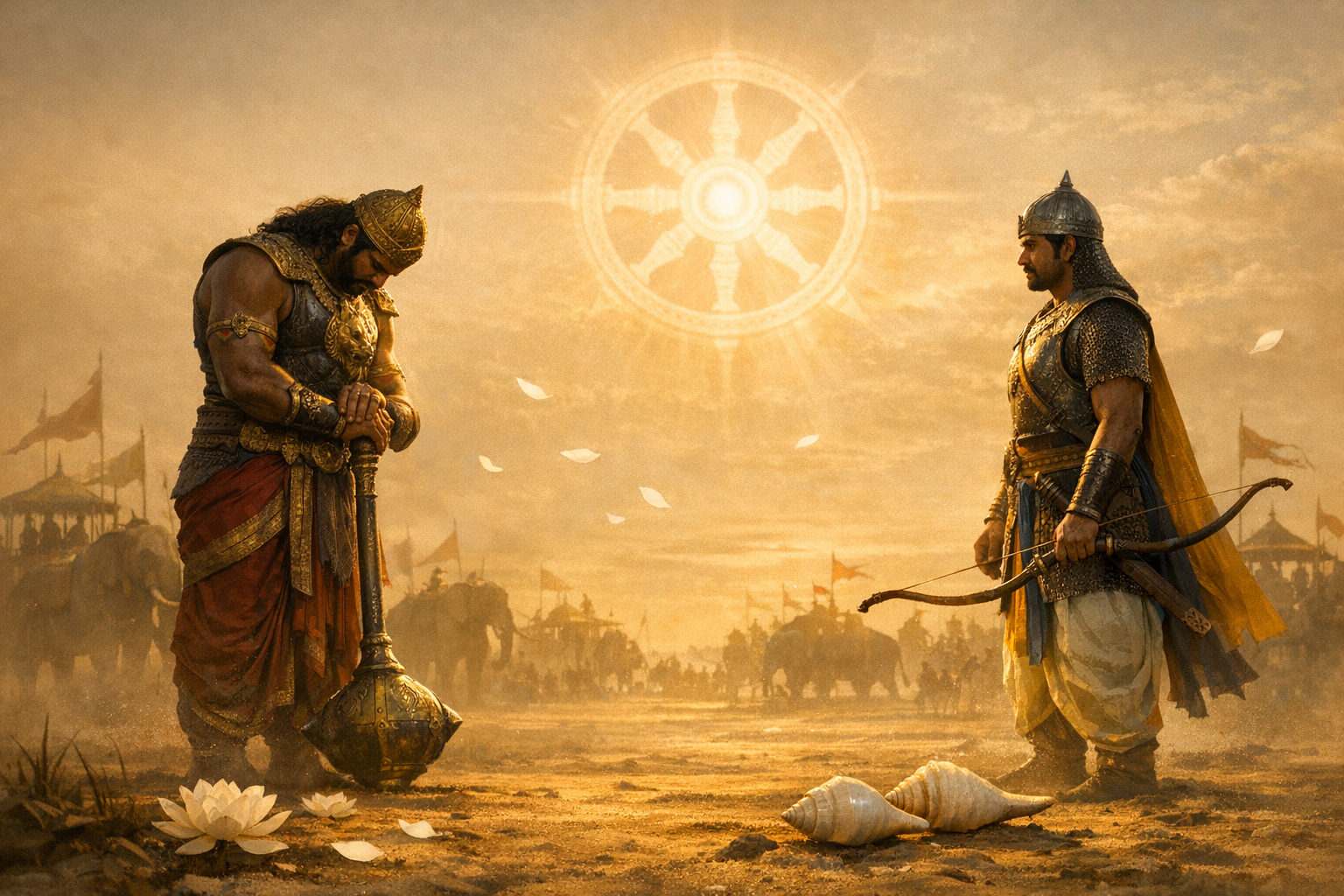
Vikarna’s death at Kurukshetra, and Bhima’s rare public respect for him, reveal the Mahabharata’s refusal to reduce war to simple binaries. The episode traces Vikarna’s lonely protest during Draupadi’s humiliation, his later loyalty under kṣātra-dharma, and Bhima’s empathetic yet resolute response in battle. Read through the lens of Dharma-Yuddha, it becomes a case study in…
-
Vidura of the Mahabharata: Unyielding Integrity and the Timeless Power of Vidura-niti
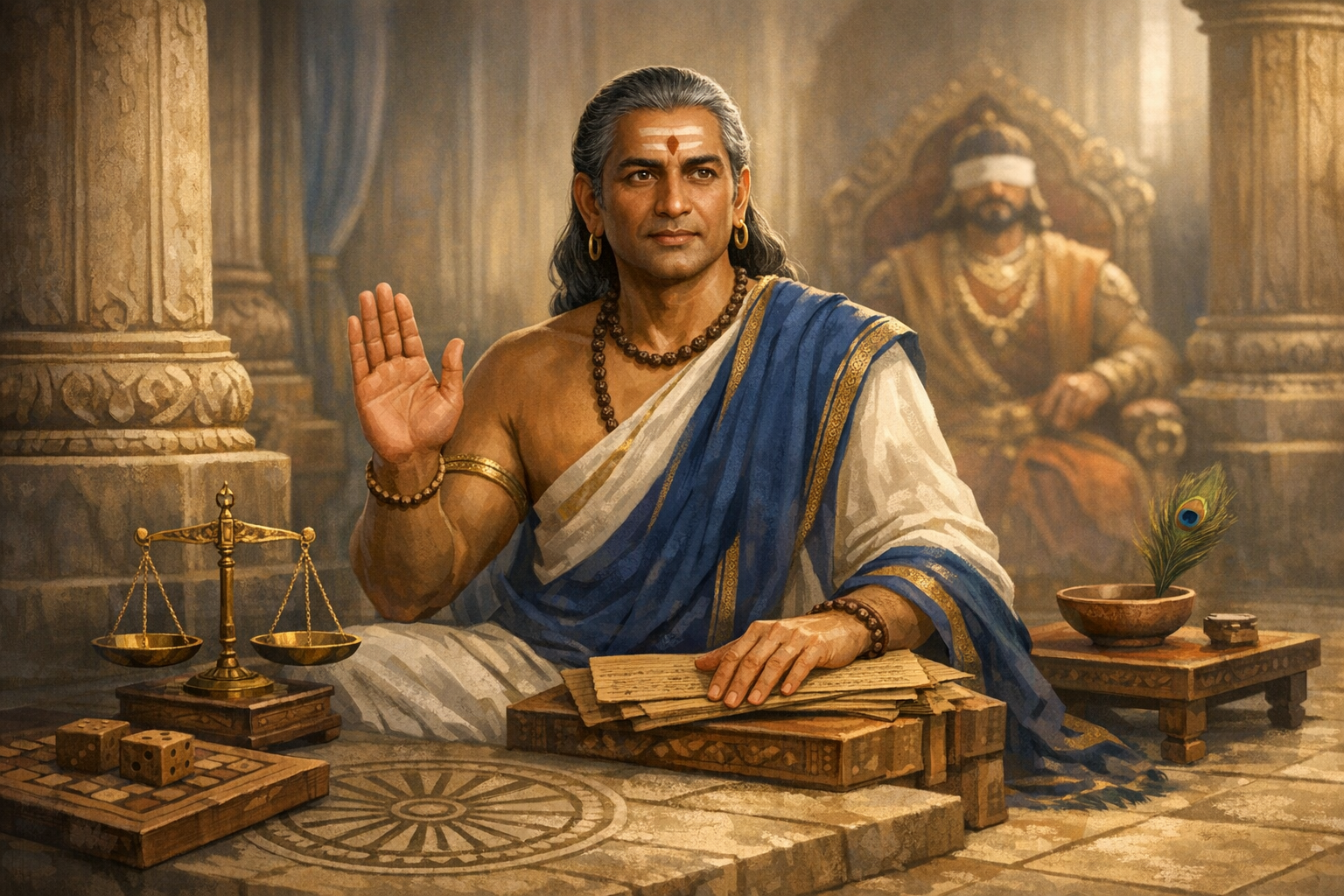
Vidura stands in the Mahabharata as Hastinapura’s moral conscience, a statesman whose Vidura-niti fuses ethical clarity with practical statecraft. His counsel in Udyoga Parva details sense-control, just taxation, impartial justice, and prudent diplomacy, offering a durable template for governance. Key episodes the lacquer house rescue, denunciation of the dice-game injustice, and principled withdrawal from court…
-
Kurukshetra’s Hollow Victory: Mahabharata’s Stark Warning Against Meaningless War

The Mahabharata presents the Kurukshetra War as a hollow victory, using scale, lament, and post-war ethics to warn against meaningless conflict. Through Udyoga Parva’s failed diplomacy and Vidura-niti’s counsel, it sets out a just-war frameworkjust cause, last resort, right intention, and proportionalitythen dramatizes the consequences when those rules are broken. Shanti and Anuśāsana Parvas outweigh…
-
How We Treat the Powerless: Dharma’s Uncompromising Measurefrom Gita to Guru Granth Sahib
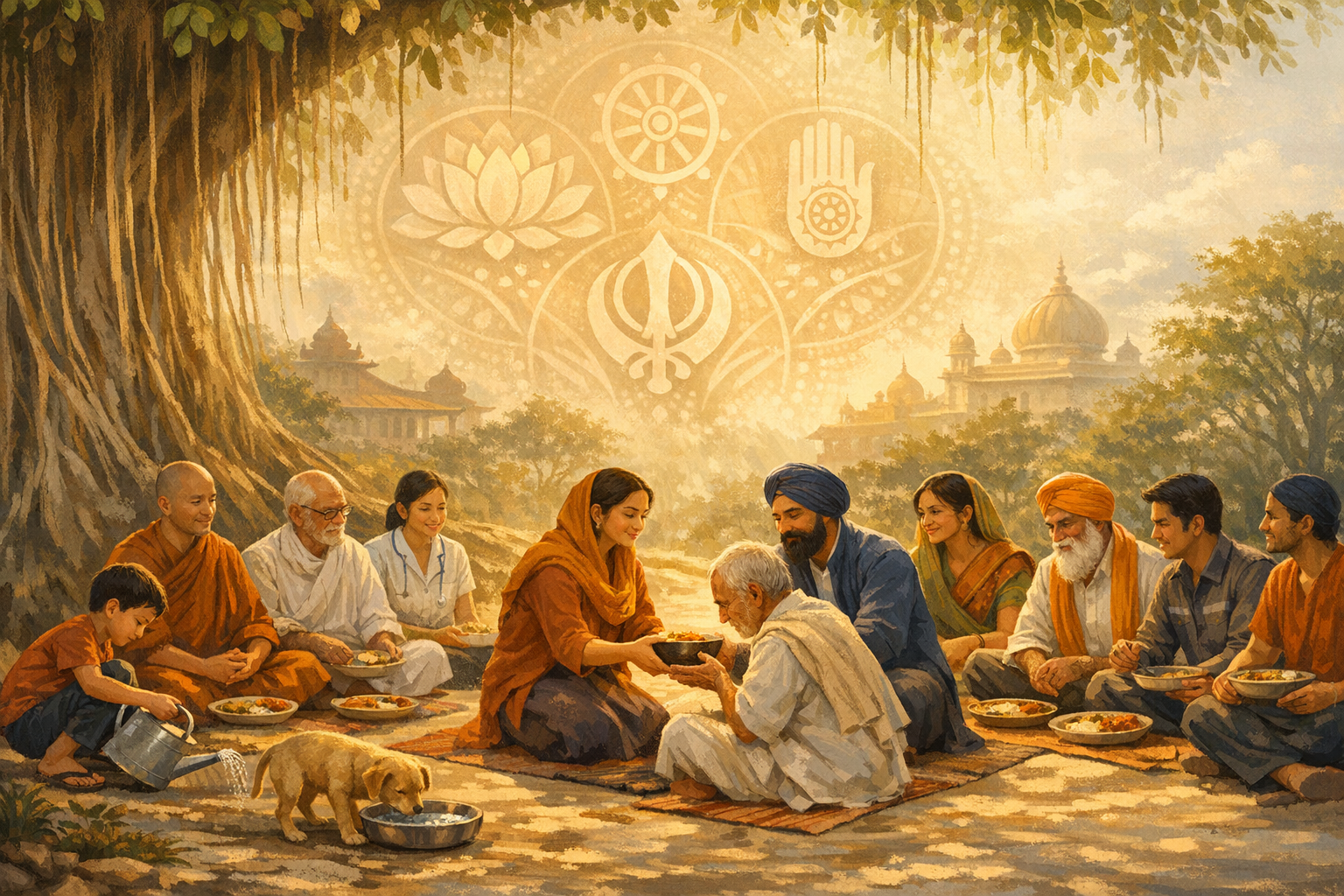
True character is revealed most clearly in how people treat those with little power. Drawing on Hinduism, Buddhism, Jainism, and Sikhism, this essay shows how Dharma, Ahimsa, Seva, and Karuna converge on a single ethical yardstick: dignity for the vulnerable. It synthesizes sources from the Bhagavad Gita, Mahabharata (Vidura-niti), Dharmasastra, and Arthasastra alongside Sikh langar…
-
When Kings Fail: Ramayana’s Timeless Blueprint for Rajadharma and Good Governance

This long-form analysis demonstrates how the Ramayana functions as a living manual of rajadharma, diagnosing the social symptoms of failed leadership and prescribing practical remedies. It explains the timeless concept of matsya-nyāya, the legal vacuum where the strong prey on the weak, and shows how Vibhishana’s counsel to Ravana outlines a ruler’s core duties in…
-
Draupadi’s Two Boons and a Refusal: Dharma’s Quiet Triumph over the Kuru Court in the Mahabharata

The Dyuta Sabha in the Mahabharata showcases Draupadi’s precise ethical reasoning and strategic restraint: she accepts two boons from Dhritarashtra to restore the Pandavas’ freedom and dignity, then refuses a third to avoid greed. This analysis clarifies the legal-dharmic core of her challenge to the Kuru courtcapacity and consentwhile situating the episode in Sabha Parva…
-
Mahabharata Masterguide: Clear, Powerful Summary of Dharma, War, and Wisdom (18 Parvas)
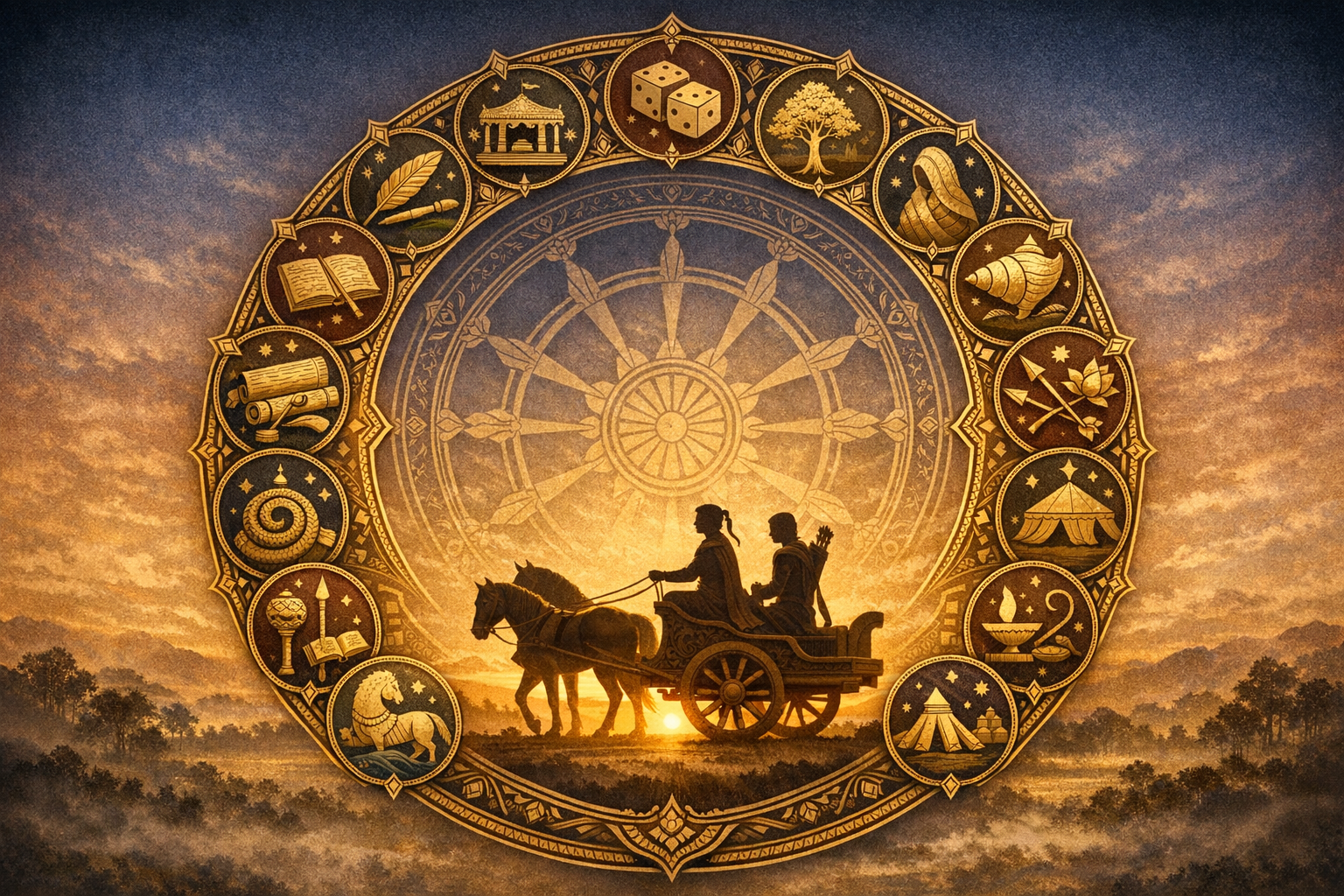
This academically grounded summary presents the Mahabharata in short while preserving the epic’s depth and coherence. It outlines authorship traditions (Veda Vyasa as composer, Lord Vinayaka as scribe), textual history, and the 18-parva structure. Readers gain a clear, chronological narrativefrom the Kuru lineage and the dice game to the Bhagavad Gita and the 18-day Kurukshetra…
-
Mahabharata Made Clear: A Comprehensive, Soul-Stirring Summary of Dharma, War, and Wisdom
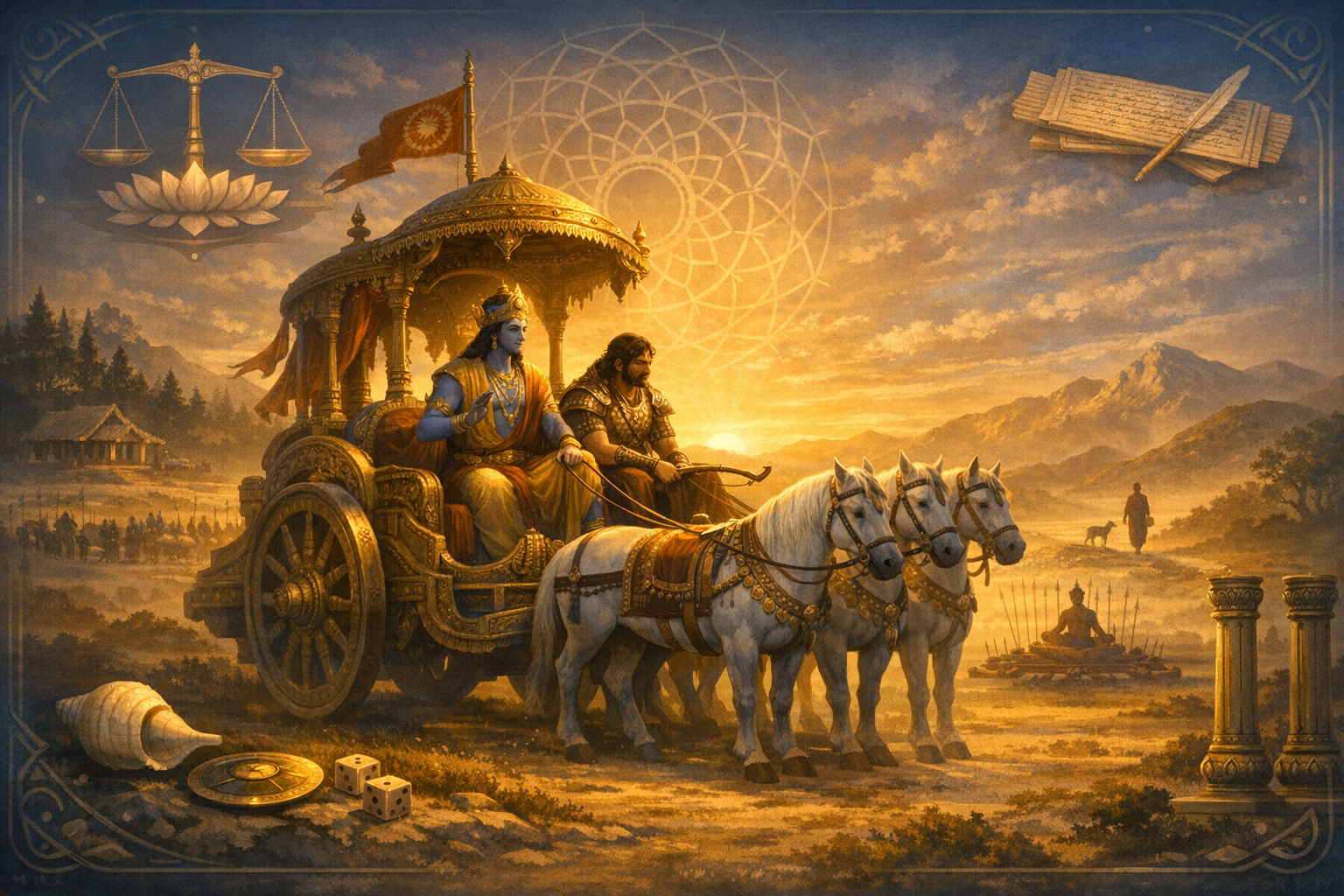
This academically grounded summary presents the Mahabharata’s eighteen parvas with clarity, linking narrative, statecraft, and spirituality into a single, coherent guide. Readers gain a concise understanding of the Kuru lineage, the Kurukshetra War, and the Bhagavad Gita’s integrated path of action, knowledge, and devotion. The overview highlights Vidura-niti and Bhishma’s lectures on just governance, ethical…
-
SB 3.1.1–16: Vidura’s Roadmap to ResilienceNavigate Spiritual Trials with Clarity & Devotion

This session on SB 3.1.1–16 presents Vidura’s example as a practical roadmap for meeting spiritual difficulties with clarity, devotion, and resilience. Participants begin with a focused intention-setting exercise that strengthens attention and emotional steadiness. The teaching distills Vidura’s virtueshumility, detachment, perseverance, seva, and bhaktiinto a seven-step framework that can be applied immediately. Emphasis on satsanga,…
-
When Hatred and Jealousy Backfire: Dharmic Wisdom on Karma, Healing, and Freedom

Hatred and jealousy act like venomous darts that ultimately return to the archer, a truth echoed across Hindu, Buddhist, Jain, and Sikh teachings. Drawing on the Bhagavad Gita, Upanishads, Srimad Bhagavata Purana, Ramayana, and Mahabharata, this piece explains how karma and dharma frame these emotions as forces that corrode clarity and freedom. It highlights iconic…
-
Beyond Status and Titles: Hindu Wisdom on Power, Ego, and the Difference Between Fans and Love

Modern culture often confuses admiration for status with genuine love. Hindu philosophy, supported by the Bhagavad Gita, Upanishads, Vidura-niti, Panchatantra, and the Mahabharata, clarifies that bonds rooted in utility fade when advantage fades. Dharmic traditions agree: love grounded in dharma, maitri, aparigraha, and seva sees the person beyond the pedestal. Readers gain practical indicators to…
-
Mahabharata’s Hidden Heroes: Shadow Diplomats, Espionage, and Dharma in Ancient Bharata

This exploration of the Mahabharata uncovers a disciplined intelligence culturespies, envoys, and shadow diplomatsoperating within a clear ethical framework. It highlights how Vidura-niti and Udyoga Parva illustrate protocols for reconnaissance, negotiation, and moral restraint. Readers gain insights into how Sri Krishna’s Diplomacy prioritized peace through precise knowledge and timing. The narrative shows intelligence as a…
-
Silent Power of Vidura: How Strategic Restraint Became Ethical Resistance in the Mahabharata

Vidura’s leadership in the Mahabharata shows how restraint can function as ethical resistance when counsel is ignored and adharma gains ground. Drawing on Vidura-niti and Udyoga Parva, this analysis highlights how calibrated speech, principled silence, and timely withdrawal form a coherent framework for just action. The approach resonates across Hindu, Buddhist, Jain, and Sikh traditions…
-
Why Indiscriminate Advice Backfires: Viveka, Anekantavada, and Dharmic Wisdom

The maxim “Indiscriminate advice often backfires” is clarified through Hindu philosophy’s viveka (discernment) and adhikāri-bheda (readiness). Foundational texts such as the Bhagavad Gita, the Upanishads, Vidura-niti, Panchatantra, and Hitopadesha affirm that counsel should be tailored to the person, time, and circumstance. A cross-dharmic viewdrawing on Buddhism’s upaya, Jainism’s Anekantavada, and Sikh traditionspromotes plural-sensitive guidance rather…
-
Essential Mahabharata Insight: How Time and Dharma Led Yudhishthira to Downfall

This analysis explores how Yudhishthira’s steadfast virtue in the Mahabharata faltered when separated from the demands of time (kāla). Readers discover why Dharma is subtle, how deśa–kāla–pātra governs right action, and where neglecting timing turns ideals into complicity with harm. The dice game, Vidura-niti, and the war’s moral dilemmas illustrate the need to pair principle…