Sixty Years On: Srila Prabhupada’s Inspiring Global Bhakti Legacy and London’s ISKCON Community
Sixty years after Srila Prabhupada arrived in the West, the scope of his impact remains remarkable. Across continents, people from diverse backgrounds have embraced bhakti yoga, recognizing in it an accessible, devotional path anchored in study, meditation, kirtan, and service. The trajectory of the Hare Krishna movement (ISKCON) illustrates how devotional practice can flourish in modern urban settings while remaining rooted in timeless Vaishnava traditions.
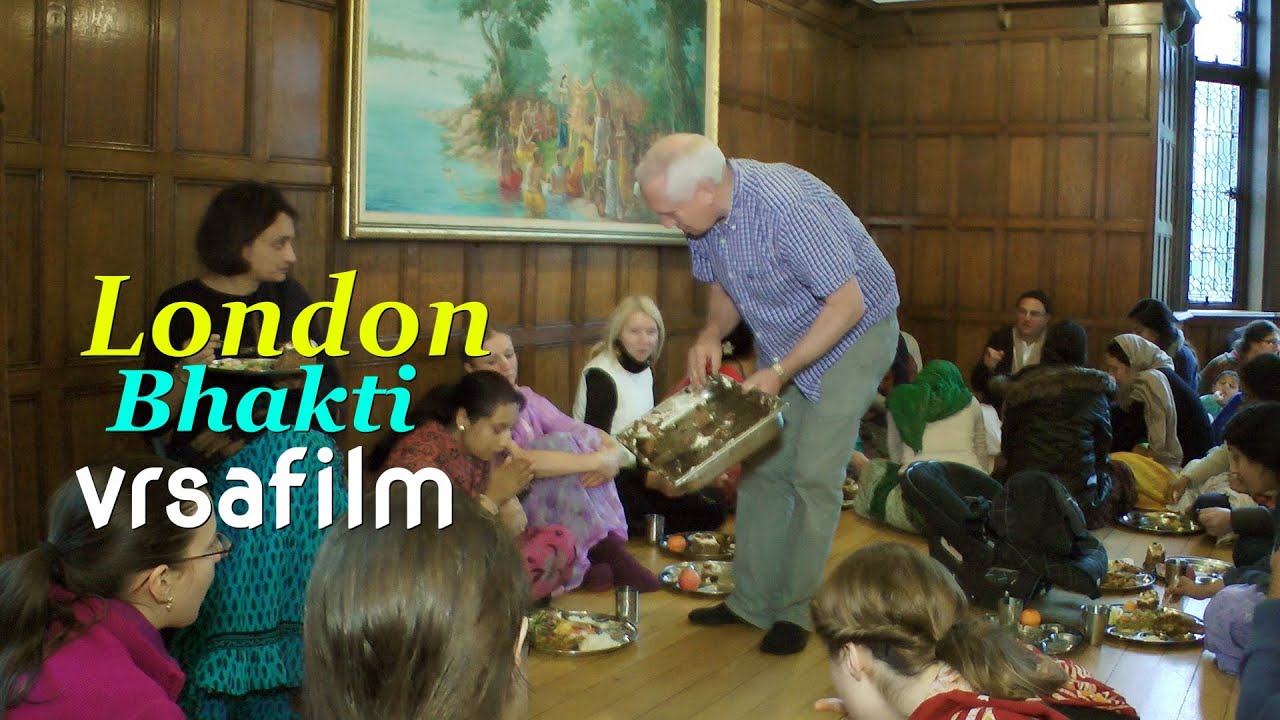
Visits to Vaishnava centres consistently reveal the breadth and depth of this transformation. In London, for example, congregations gather around daily kirtan, prasadam distribution, and regular study of the Bhagavad Gita, creating a living ecosystem of practice and learning. Observers note how these activities cultivate discipline, compassion, and community cohesion, demonstrating how bhakti yoga adapts to contemporary life without losing its philosophical clarity.
This growth can be interpreted within the wider dharmic tapestry that includes Hinduism, Buddhism, Jainism, and Sikhism. Shared valuessuch as ahimsa, seva, inner discipline, and reverence for all lifeunderscore a natural affinity among these traditions. In this context, the Hare Krishna ethos affirms unity in spiritual diversity, demonstrating that distinct paths can converge in common aims: ethical living, inner transformation, and social harmony.
In London’s ISKCON community, intercultural engagement is strengthened through festivals, educational programs, and service initiatives. Celebrations like Janmashtami and Diwali preserve Cultural Heritage while encouraging Interfaith Dialogue and civic participation. Such events offer a welcoming space where newcomers and long-standing practitioners can deepen understanding, build trust, and experience the unifying power of devotional practice.
Practices central to bhakti yogajapa, kirtan, satsang, and thoughtful studyhave tangible benefits. They enhance mental clarity, foster emotional resilience, and nurture a sense of belonging. In high-paced urban environments, these disciplines provide a stabilizing framework for personal growth, aligning spiritual insight with everyday responsibilities and community service.
Six decades on, Srila Prabhupada’s vision continues to resonate worldwide. The vitality of ISKCON in London exemplifies how a devotional tradition can be both true to its Vaishnava roots and open to collaboration across dharmic communities. By highlighting shared principles and celebrating plural pathways to the Divine, this legacy advances unity, strengthens social bonds, and invites deeper reflection on the enduring wisdom of bhakti.
The article reflects on Srila Prabhupada’s global bhakti legacy sixty years after his arrival in the West. It focuses especially on how ISKCON London shows devotional practice flourishing in a modern urban community.
Which bhakti practices are highlighted in the post?
The post highlights study, meditation, kirtan, service, japa, satsang, prasadam distribution, and regular study of the Bhagavad Gita. These practices are presented as a living ecosystem of learning, devotion, and community cohesion.
How does the article describe London’s ISKCON community?
London’s ISKCON community is described as gathering around daily kirtan, prasadam distribution, Bhagavad Gita study, festivals, educational programs, and service initiatives. The article presents these activities as strengthening intercultural engagement and civic participation.
How does bhakti yoga connect with wider dharmic traditions in the article?
The article places bhakti yoga within a wider dharmic tapestry that includes Hinduism, Buddhism, Jainism, and Sikhism. It highlights shared values such as ahimsa, seva, inner discipline, reverence for life, ethical living, and social harmony.
What benefits does the post associate with japa, kirtan, satsang, and study?
The post says these practices enhance mental clarity, foster emotional resilience, and nurture belonging. In high-paced urban environments, they are described as a stabilizing framework for personal growth and community service.