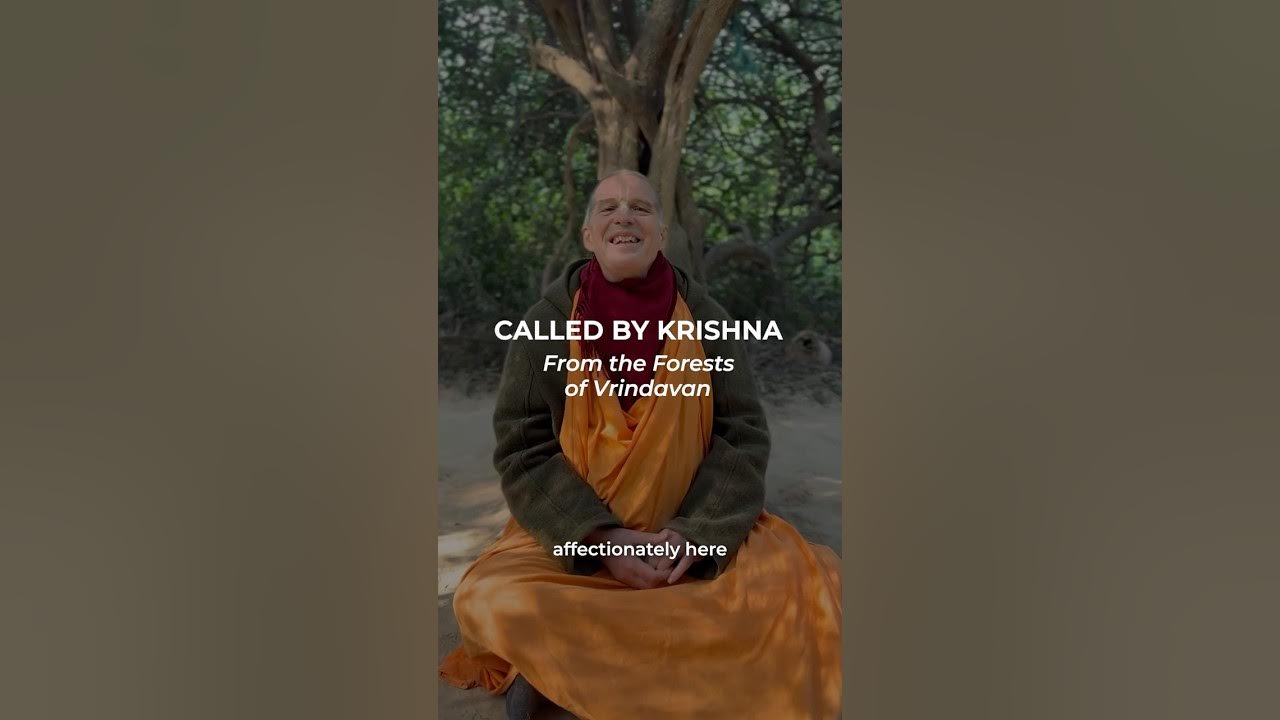
From the sacred forests of Vrindavan comes a contemplative reflection on a universal spiritual experience: Krishna continually calls to every heart. In this landscape of temples, groves, and quiet pathways, the sense of invitation is vividfelt in nature’s rhythms, heard in temple bells, and recognized in moments of still conscience. The setting itself encourages a sober, attentive gaze toward inner life and the living presence of the divine.
Across the span of daily life, the call appears in many forms: a gentle impulse toward compassion, the courage to act with integrity, the clarity to choose truth over convenience, and the longing to serve with humility. Such signals are neither coercive nor narrow; they reflect the breadth of Sanatana Dharma and harmonize with the wider dharmic ethos present in Hindu, Buddhist, Jain, and Sikh traditions.
The central question is precise and pressing: does one respond to the call of the Lord, or does one allow fear to restrain response? In the language of Hindu spirituality and the Bhakti Tradition, responding implies sraddha (trust) and a willingness to move through uncertainty. The Bhagavad Gita repeatedly emphasizes steadiness, fearlessness, and clarity of purpose as the ground for such response, aligning devotion with discernment.
Dharmic wisdom converges on this point. Hindu bhakti encourages loving remembrance (smarana) and surrender (sharanagati). Buddhist practice cultivates mindfulness and karuṇa to meet fear with awareness. Jain teachings nurture ahiṁsā and tapas as disciplined courage. Sikh tradition emphasizes seva and sangat, where collective devotion steadies the individual heart. Each stream preserves its integrity while reinforcing a shared commitment to compassion, courage, and truth.
Practical reflection follows naturally. Pause daily to listenwhether in japa, silent meditation, or mindful breathing. Identify one small act that aligns with dharma and complete it without delay. Seek satsang or supportive community (sangat) to sustain resolve. When fear arises, name it, offer it, and proceed with modest steps grounded in duty and devotion. Over time, these small, consistent responses become a stable path.
Vrindavan, as both sacred geography and symbol, reminds that the divine call is intimate, persistent, and inclusive. Responding to it does not negate prudence; rather, it reorders life around devotion, integrity, and service. In this way, love and tolerance flourish, unity in spiritual diversity is honored, and the journey of the heart advancesquietly yet decisivelytoward deeper communion with Krishna.
Inspired by this post on Dandavats.