Hanuman Bhakti is widely recognized across communities as a luminous expression of devotion grounded in humility, disciplined strength, and selfless service. Revered for steadfast loyalty and unwavering courage, the Devotion of Lord Hanuman continues to inspire seekers who value character over display, restraint over excess, and service over self.
Within Hindu Dharma, Hanuman is venerated as a paragon of the Bhakti Tradition and, in many traditions, revered as an avatar of Lord Shiva. In the Ramayana, his conduct illustrates a profound ethic: immense capability held in check by discernment, applied only when duty and compassion demand it. This ideal explains why his bhakti is considered incomparablepower never turns to pride; it is refined into protection, dedication, and care for the vulnerable.
Hanuman’s example models a life of dharma marked by one-pointed devotion, humility in achievement, and unwavering commitment to seva. The spiritual lesson is practical and timeless: cultivate inner strength through disciplined practice, align action with ethical clarity, and allow devotion to guide rather than overwhelm. Such devotion harmonizes strength with compassion, turning personal capability into collective well-being.
These virtues resonate across dharmic traditions. The mindful strength and karuṇā emphasized in Buddhism, the self-discipline and aparigraha central to Jainism, and the spirit of seva celebrated in Sikh teachings converge with Hanuman Bhakti’s core values. Together, they affirm unity in spiritual diversitydistinct paths, shared ethicsfostering harmony among Hinduism, Buddhism, Jainism, and Sikhism.
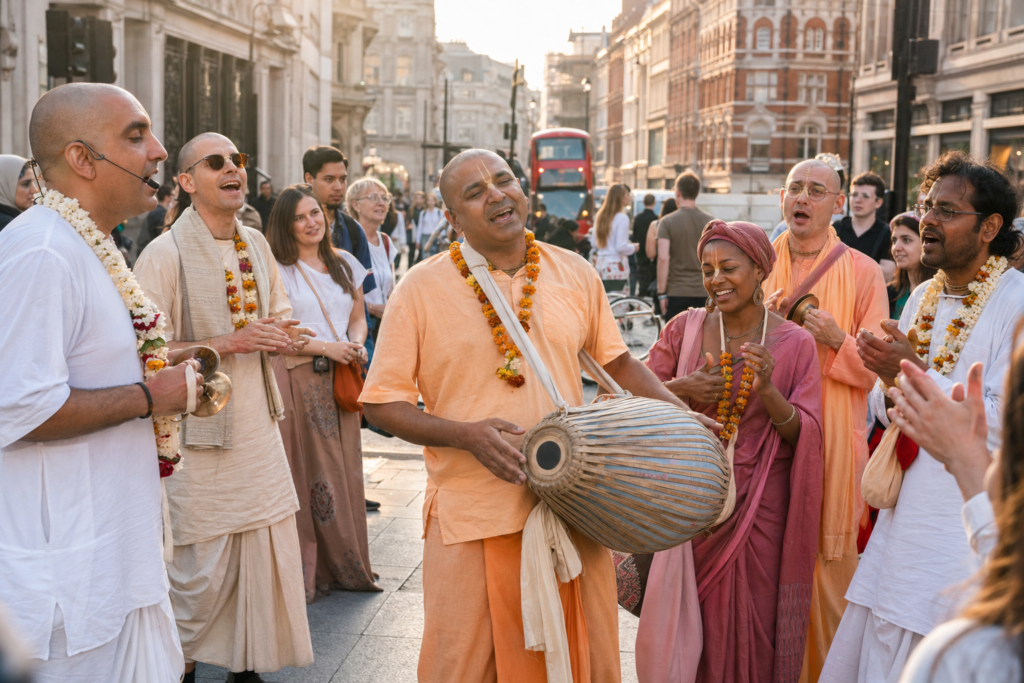
Devotees commonly express Hanuman Bhakti through japa, dhyana, and bhajans, as well as through everyday acts of service that embody compassion and courage. Such practices are not merely ritual; they are transformative disciplines that anchor the mind, cultivate resilience, and nurture ethical action in family, community, and society.
Across generations, many recount experiences of solace and protection linked to Hanuman’s Sankat Mochan gracea steadying presence in times of uncertainty. These narratives reinforce a lived understanding of devotion: faith deepens inner equilibrium, and inner equilibrium sustains wise action. In this way, Hanuman Bhakti becomes both an inner refuge and an outward commitment to care.
As a shared cultural and spiritual touchstone, the Devotion of Lord Hanuman invites all seekers to embody humility, strength, and service. By learning from Hanuman’s disciplined power and compassionate resolve, communities can strengthen bonds across dharmic traditions, sustain harmony, and advance a culture where devotion uplifts character and unites diverse spiritual paths.
Inspired by this post on Hindu Pad.