Ahimsanon-violenceforms the ethical heart of many dharmic traditions and offers a clear pathway to compassionate food choices. In this context, vegetarianism and inclusive plant-based and vegan diets emerge as practical, everyday expressions of spiritual duty that honor all sentient life.
Within Hindu philosophy, ahimsa is not limited to avoiding physical harm; it is a disciplined way of being that cultivates reverence for life in thought, word, and action. Choosing meals that minimize harm becomes a daily practice of alignment with Dharma, reflecting care for animals, people, and the planet.
Ayurveda and Yoga describe a sattvic diet as nourishment that supports clarity, balance, and inner calm. Sattva is associated with lightness, harmony, and mental serenity, making food a vehicle for spiritual steadiness and ethical living.
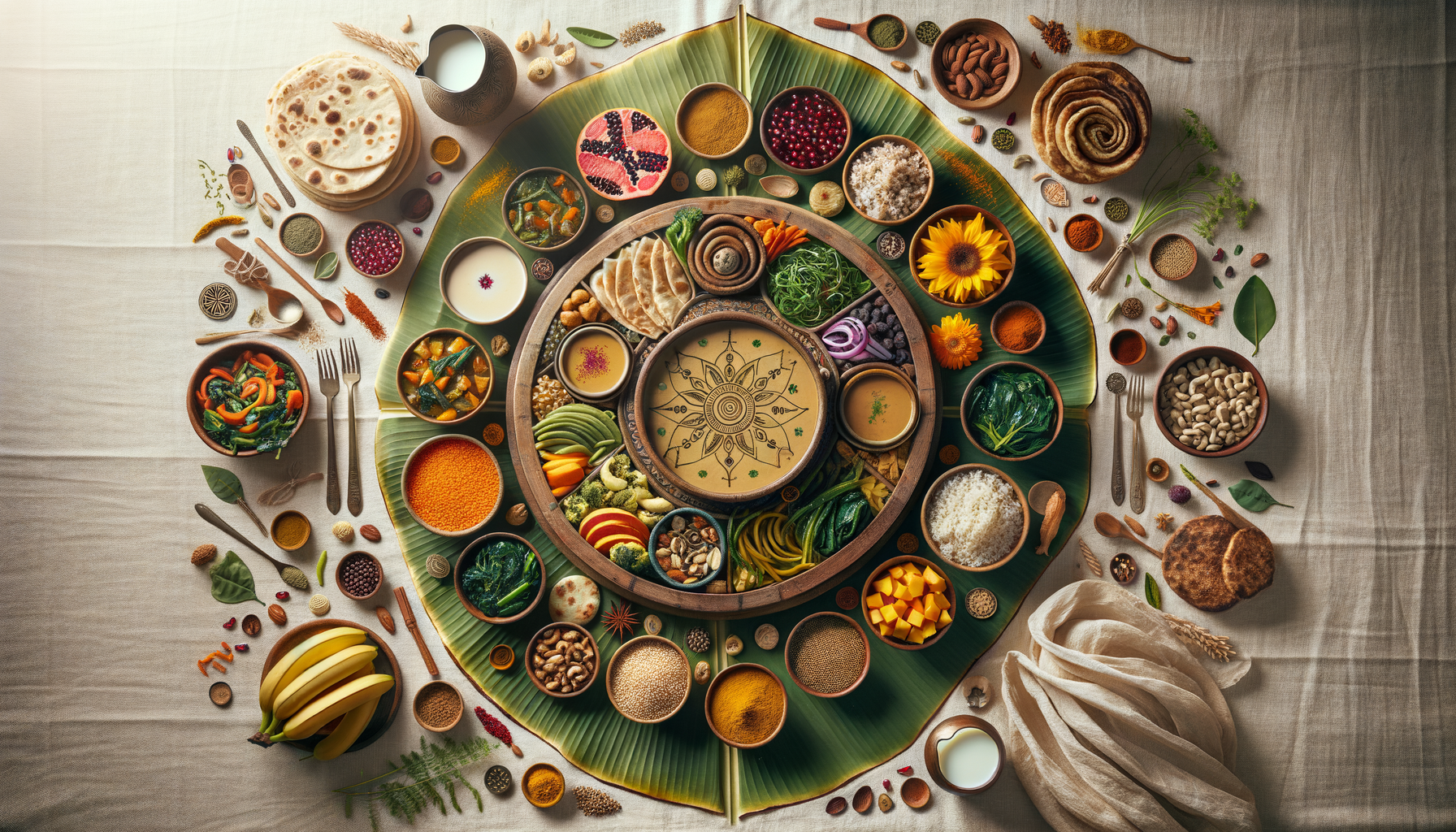
Sattvic nourishment traditionally emphasizes fresh fruits and vegetables, whole grains, legumes, nuts, seeds, mild spices, and gentle cooking methods. Many households may include dairy when sourced with compassion; others opt for vegan choices such as plant-based milks and ghee alternatives to uphold ahimsa consistently in contemporary supply chains.
Unity across dharmic traditions reinforces this ethic. In Jainism, rigorous observance of ahimsa shapes food practices with remarkable precision. In Buddhism, the cultivation of metta (loving-kindness) inspires mindful, compassionate eating in many lineages. In Sikhism, the vegetarian langar exemplifies seva and equality, welcoming all to a shared meal. These living practices complement Hindu understandings of sattva and the sanctity of life.
Ethical eating also yields tangible ecological and health benefits. Plant-based and vegan diets can reduce environmental impact, conserve resources, and support climate resilience, aligning spiritual intention with environmental stewardship. A sattvic pattern of eating further supports digestion, mental clarity, and steady energy.
Food as a sacred offering deepens this relationship. Traditions such as prasada, annadanam, and langar elevate meals from consumption to communionlinking gratitude, service, and community. Sharing plant-based food becomes an expression of unity and compassion across diverse communities.
Mindful preparation strengthens sattvic intent: cooking fresh, seasonal, and local produce; emphasizing gentle spices like cumin, coriander, and turmeric; and eating with gratitude and moderation. In Yogic language, such care is said to preserve prana (vital energy) and transform meals into steadying nourishment.
Practical steps make the transition approachable. Center meals on legumes, millets, rice, seasonal vegetables, nuts, and seeds; favor steaming, sautéing, and light stews; and incorporate fermented foods for digestion. Those embracing vegan diets often attend to vitamin B12, iodine, iron, and omega-3s with thoughtful planning, thereby sustaining both compassion and health.
Classical guidance also cautions against excess. Moderating strongly rajasic (overstimulating) and tamasic (dulling) foodssuch as overly spicy, fried, stale, or heavily processed itemssupports mental equilibrium and clarity of purpose.
Across regions and families, shared memories often center on simple sattvic mealsfreshly cooked dal, seasonal greens, fruits after vrata, or nourishing bowls served at langar. These experiences foster emotional connection, intergenerational continuity, and an ethic of care that bridges differences.
Importantly, dharmic pluralism honors diversity in practice. Whether one follows lacto-vegetarian customs, embraces fully vegan choices, or navigates gradual change, the unifying principle remains ahimsa. Respectful dialogue and mutual support keep the focus on shared values rather than prescriptive uniformity.
Choosing a sattvic, plant-forward plate can thus become daily sadhanaa steady practice that integrates spiritual aspiration with compassionate action. In honoring life, cultivating clarity, and serving community, ahimsa finds practical expression in every mindful meal.
Inspired by this post on Hindu Blog.