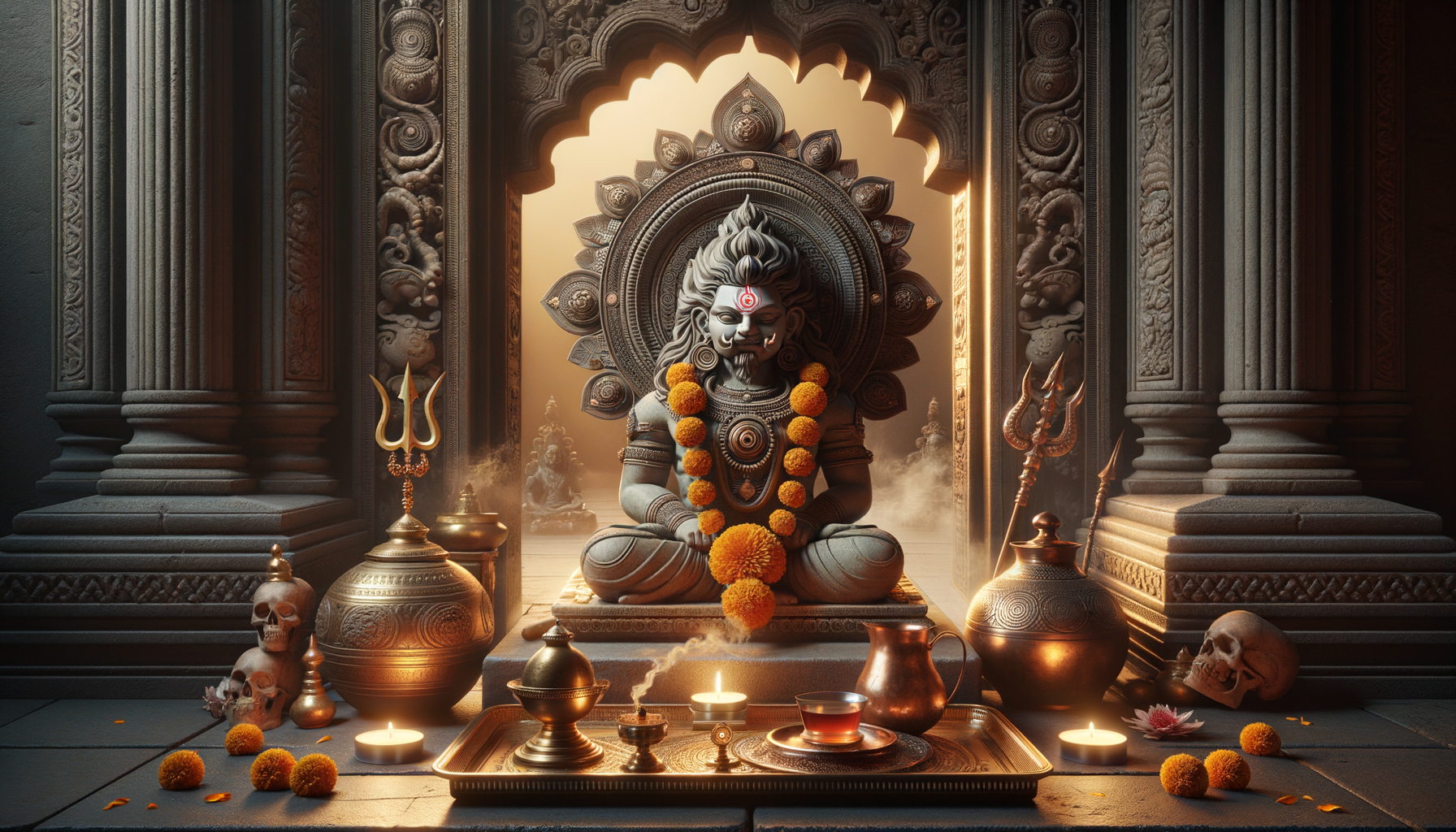
Kal Bhairav, the fierce manifestation of Shiva, occupies a liminal place in Hindu practiceboth a compassionate guardian and an uncompromising dissolver of fear. The ritual of offering alcohol to Kal Bhairav in certain Hindu temples, often perceived as unconventional, expresses a profound Tantric symbolism: the transformation of raw, untamed energies into protection, wisdom, and inner steadiness. Framed correctly, this practice reveals Hinduism’s inclusive ritual vocabulary and its insistence that even life’s harsh elements can be sanctified and transmuted.
As a kṣetrapāla (guardian of sacred precincts) and custodian of moral boundaries, Kal Bhairav stands at thresholdsgeographical, psychological, and spiritual. Within Shaiva and Śākta traditions, he personifies the courage to face what is feared or socially disapproved. His worship, therefore, embraces the paradoxes of life and invites devotees to offer not only fragrance and flowers but also the symbolic weight of human impulses, seeking their transformation into clarity and fearlessness.
The textual and ritual logic for alcohol offerings arises in Tantric frameworks, especially the Kaula and related streams, where the pañcamakāra (the “five Ms”) include madya (wine). In many lineages, these elements are interpreted through internalized, symbolic substitutes; in others, carefully regulated ritual offerings persist. In each case, the underlying teaching remains consistent: spiritual growth lies in the alchemy of transmuting tamasic tendencies rather than denying their presence. Alcohol, in this ritual semantics, signifies fermentation and transformationwhat is potentially destabilizing can, under mantra and intention, be consecrated and rendered harmless.
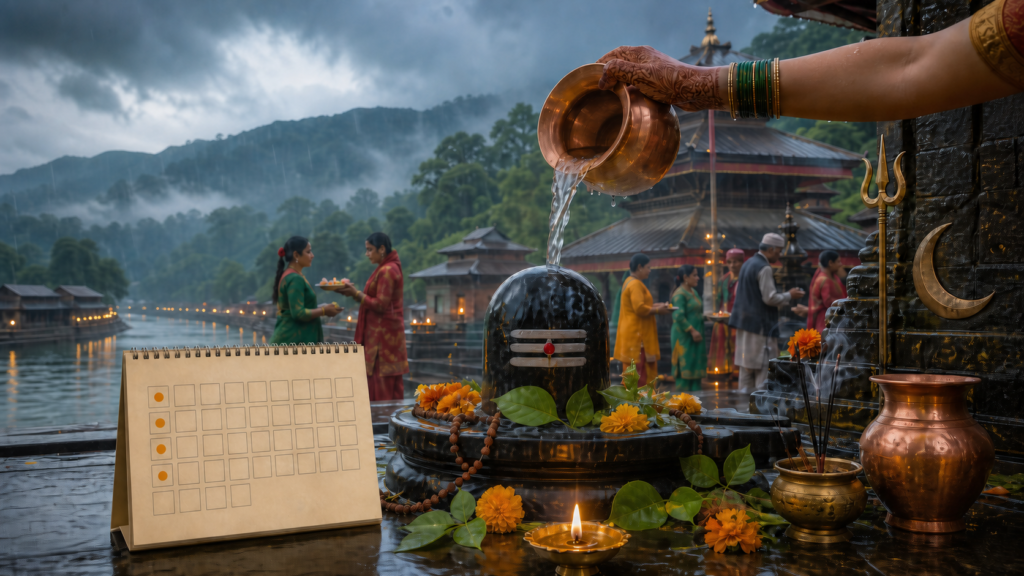
Temples known for this practice include the Kal Bhairav shrine in Ujjain, where priests ceremonially offer liquor to the deity according to strict protocols. In the Kathmandu Valley, Newar traditions feature offerings of aila (rice liquor) to Bhairav during specific festivals, integrating local aesthetics with pan-Indian Shaiva symbolism. Practices vary; some temples touch a sealed bottle to the murti as a token gesture, while others ritually pour measured amounts. Temple authorities regulate these rites to maintain sanctity, safety, and decorum.
The semiotics of the offering is nuanced. Alcohol represents heat, potency, and the possibility of loss of controlprecisely the energies that Kal Bhairav subdues and redirects. Presenting it at the deity’s feet acknowledges the devotee’s shadow elementsfear, anger, compulsionand appeals for their purification. Many visitors to these shrines report a palpable sense of protection and moral grounding afterward, narrating experiences of stepping out with greater sobriety of mind even if no substance was personally consumed.
From a dharmic-ethical perspective, it is critical to distinguish offering from indulgence. Temple rites are not endorsements of intoxication; they are curated acts within a sacral frame. Numerous families and communities adopt non-alcoholic substitutes such as coconut water, milk, or honey to honor the same principle. The intentbhāvaremains central: surrender of inner turbulence and its consecration into courage, discipline, and compassionate strength.
A comparative lens across dharmic traditions illuminates shared wisdom. In Vajrayana Buddhism, offerings to wrathful deities such as Mahakala similarly encode the transformation of kleshas (afflictive emotions) into insight, paralleling Bhairava’s role in Shaivism. Jain and Sikh traditions, while emphasizing ahimsa, restraint, and seva, converge on the same moral aim: transmute anger, fear, and attachment into ethical clarity, fearlessness, and service. Read in this light, the Bhairava ritual becomes one expression within a broader civilizational pedagogy of transforming poison into medicine.
Historically and sociologically, Bhairava’s guardianship of city gates, cremation grounds, and crossroads underscores his association with thresholds. By placing a controversial substance within a sacred grammar, Hindu temples underscore a central philosophical claim: the sacred does not abandon the difficult facts of life; it redeems them. This is why the symbolism of offering alcohol to Kal Bhairav persistsnot as spectacle, but as a disciplined reminder that true fearlessness is born from conscious transformation, not denial.
For contemporary seekers and visitors, a respectful approach is essential. Each temple follows local āgamic guidance and customary law; one should observe posted rules, seek priestly instruction, and remember that intent and decorum govern every act within the garbhagriha’s ambit. Engaged with humility, the ritual imparts a universal insight: courage emerges when one entrusts unrefined energies to the sacred, allowing wisdom to reshape them for the good of self and society.
In sum, the practice’s enduring value lies in its philosophical depth and ethical ambition. It articulates a distinctive Hinduand more broadly dharmicconfidence that nothing human is beyond redemption. The offering to Kal Bhairav thus becomes a prayer for mastery over the mind, social responsibility at the threshold of community life, and unity across traditions that share the aspiration to convert inner turbulence into compassionate action.
Inspired by this post on Hindu Blog.