Champa Sashti is a six-day Hindu festival in Maharashtra observed from Shukla Paksha Pratipada to Sashti in the Margashirsha month. In 2025, Champa Sashti begins on November 21 and concludes on November 26, aligning with the Sashti tithi. Widely revered as Malhari Sashti, the observance venerates Lord Khandoba—an aspect of Shiva—whose victory over the demons Mani and Malla symbolizes the triumph of dharma over adharma.
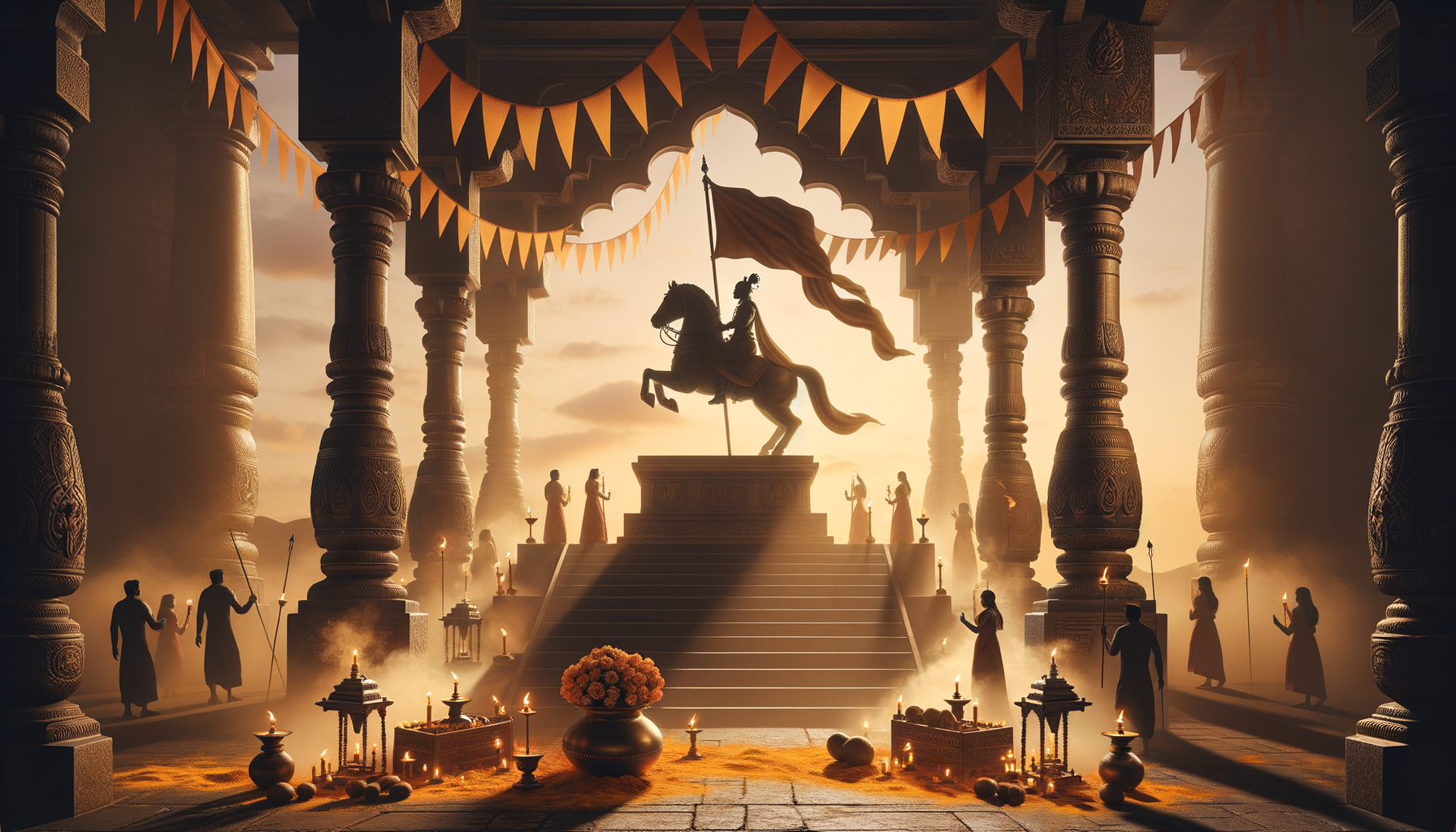
Rooted in sacred narratives, the festival honors Khandoba (Malhari Martanda) as a protector and guide. The tale of conquering Mani and Malla is remembered not merely as a mythic episode but as a moral paradigm encouraging courage, discipline, and communal well-being. This ethical emphasis sustains the festival’s enduring relevance across generations in Maharashtra’s cultural life.
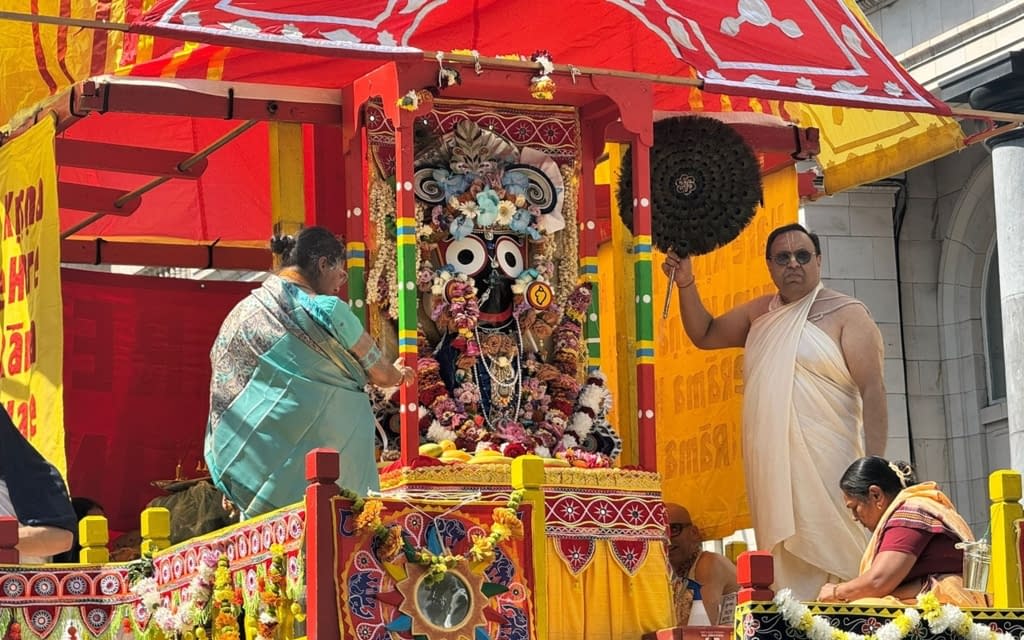
Across six days, households and temples conduct daily puja, abhisheka, and bhajans, while many observe fasting or partial dietary restraints as a vrata. With devotion culminating on Sashti, devotees often gather for special archana and the ceremonial conclusion of the vow. Major temples—most notably the Khandoba shrine at Jejuri—witness processions and collective worship, reflecting a living tradition that is both intimate in households and grand in public spaces.
From a calendrical perspective, Champa Sashti follows the lunar cycle from Pratipada to Sashti in the bright fortnight of Margashirsha. For 2025, the Gregorian mapping from November 21 to November 26 offers clarity for planning travel, temple visits, and family observances. Communities frequently coordinate temple schedules, seva opportunities, and cultural programs to ensure inclusive participation throughout the six days.
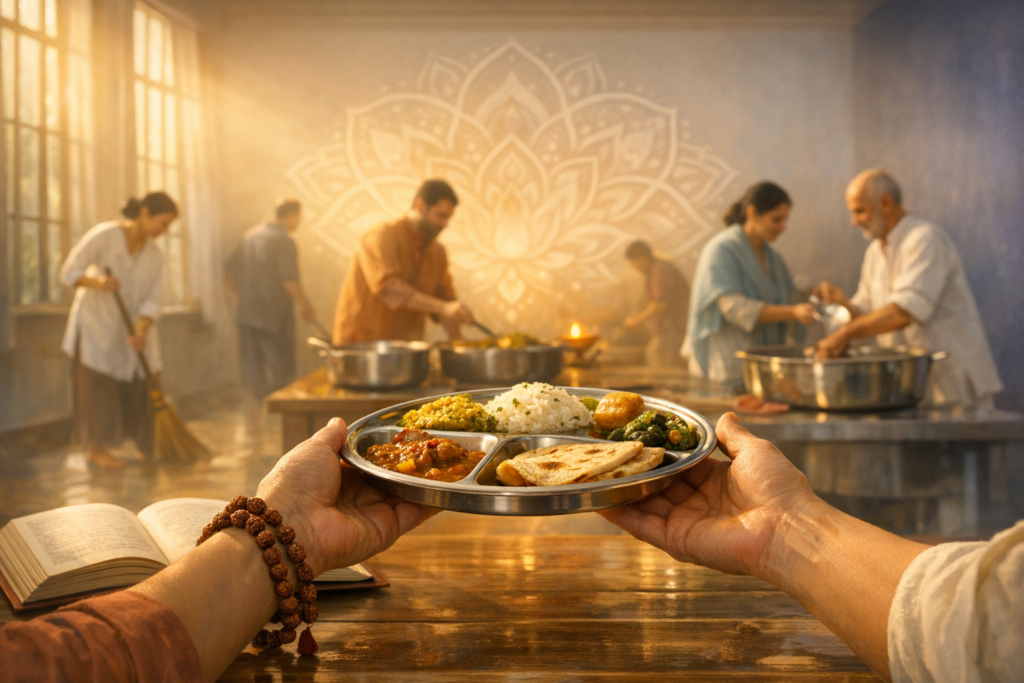
The spiritual motifs of Champa Sashti resonate beyond regional devotion, expressing values cherished across dharmic traditions of Hinduism, Buddhism, Jainism, and Sikhism—namely non-harm, self-restraint, service, and the victory of truth. Community meals (anna-dana), volunteer service, and collective singing foster unity in spiritual diversity, transforming the festival into a shared civic and sacred experience.
Many devotees describe the dawn atmosphere during these days as particularly moving: the fragrance of incense, the rhythm of lejhim and drums, and the glow of lamps create an ambience conducive to reflection and gratitude. Families often recount formative memories—pilgrim visits, shared vows, and blessings attributed to Khandoba—that reinforce cultural continuity and strengthen intergenerational bonds.
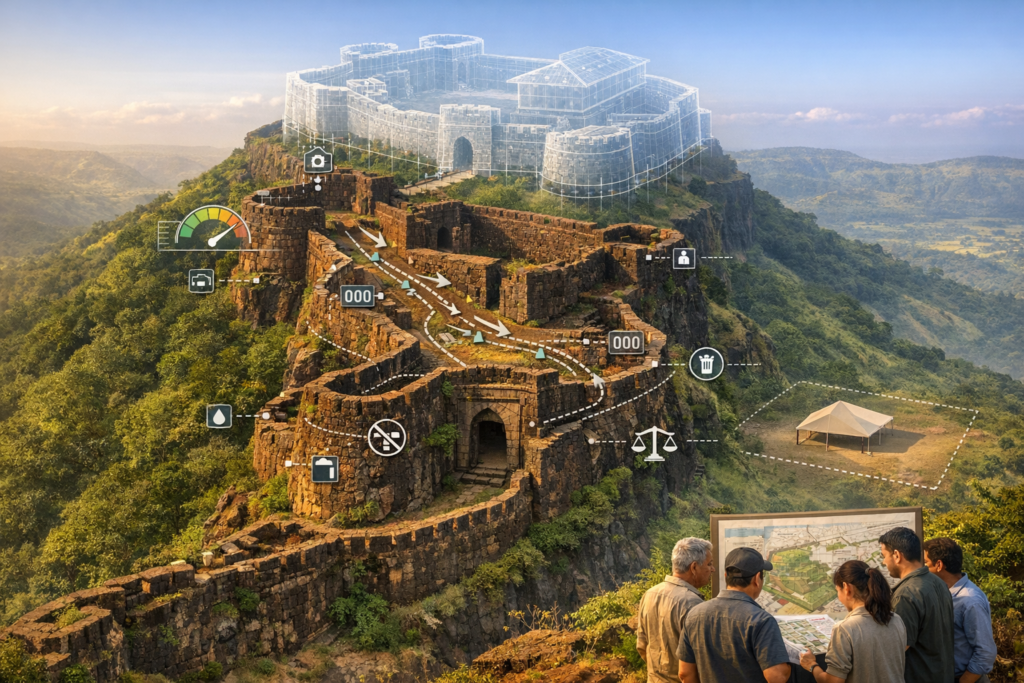
For those preparing to observe Champa Sashti 2025, practical planning includes confirming local temple timings, arranging travel to key sites in Maharashtra, and organizing daily puja materials for the six-day vrata. Thoughtful participation—such as eco-friendly offerings, respectful crowd management, and support for community service—enhances the devotional experience while preserving Maharashtra’s cultural heritage.
Inspired by this post on Hindu Pad.