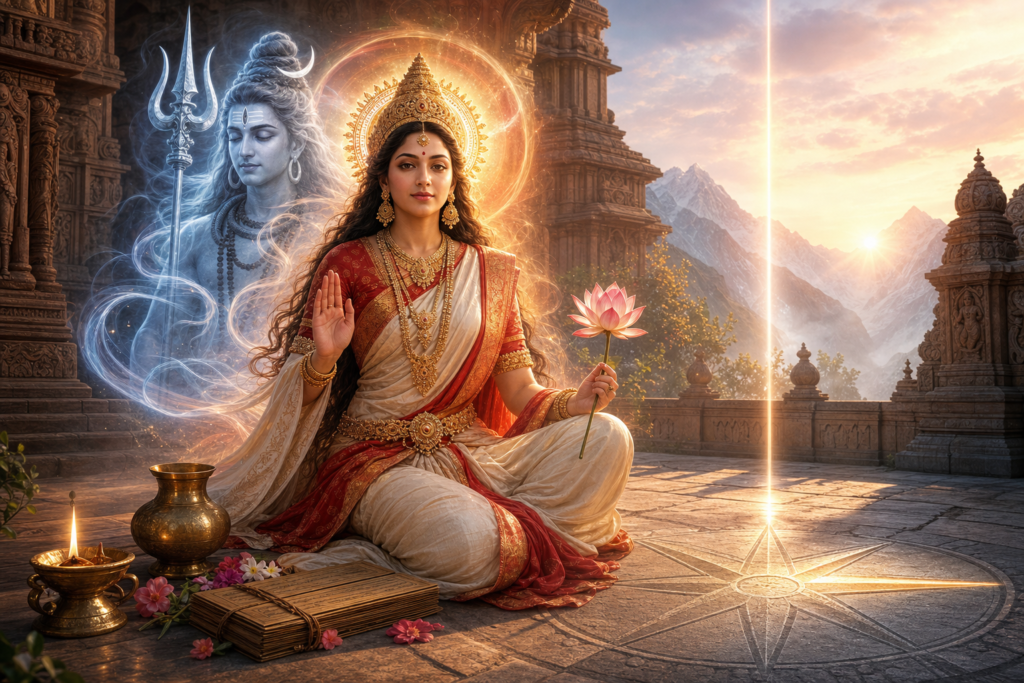
On 16 November 2025, Sri Padmavathi Ammavari Temple at Tiruchanoor will observe two spiritually significant rites: the celestial Laksha Kumkumarchana in the morning and the time-honoured Ankurarpanam in the evening, heralding the annual Brahmotsavams. The special Kumkumarchana is scheduled to begin from 8:00 am, inviting devotees to witness an atmosphere of disciplined devotion and collective reverence in the Tirumala Tirupati tradition.
Laksha Kumkumarchana is a distinctive archana in which kumkum (vermilion) is ritually offered a lakh times to Padmavathi Ammavaru, a revered form associated with the grace of Goddess Lakshmi. The rite is known for its contemplative cadencemantra, offering, and silencethrough which devotees experience an elevated sense of serenity, gratitude, and community. Pilgrims frequently note how the rhythm of recitation and the vivid red of kumkum evoke both auspiciousness and inner composure.
In the evening, Ankurarpanamthe ceremonial sowing of seedsserves as the sacred prelude to the Brahmotsavams. Anchored in the symbolism of renewal and growth, this rite invokes prosperity, well-being, and the collective welfare of society. The act of nurturing seeds underscores a broader dharmic ethic: reverence for nature, mindful living, and responsibility toward future generationsvalues esteemed across Hindu, Buddhist, Jain, and Sikh traditions.
For participants, the day offers contemplative depth and cultural richness. It is customary to maintain quiet decorum, dress modestly, and observe temple guidelines, thereby allowing the sanctity of the rites to guide attention inward. Many visitors find that simply attending with stillnesslistening to the mantras and observing the sequence of offeringscreates a lasting devotional imprint.
Traditionally aligned with the auspicious Karthika masam, the Padmavathi Ammavari Brahmotsavams at Tiruchanoor form a vital part of the broader Tirumala Tirupati devotional calendar. The meticulous organization associated with TTD and the devotion of local communities together sustain a living heritage where ritual precision and heartfelt bhakti intersect.
These observances invite a shared spiritual experience that transcends individual backgrounds. By foregrounding compassion, discipline, and gratitude, they nurture unity among dharmic traditions and remind participants that inner transformation and social harmony are mutually reinforcing goals.
Inspired by this post on Hindu Pad.