In Vedic tradition, the human body is contemplated as a sacred landscape where specific Devas are invoked to reside in particular limbs. Classical invocations such as ‘Prajanane Brahma tishtatu’, ‘Padayo Vishnu tishtatu’, and ‘Hastayo Hara tishtatu’ articulate this vision with clarity: Brahma is remembered at the seat of procreation, Vishnu is contemplated at the feet, and Hara (Shiva) is invoked in the hands. This contemplative mapping does not reduce divinity to anatomy; rather, it symbolically aligns bodily awareness with cosmic functions—creation, preservation, and transformation—deepening the body-mind connection central to Hindu spirituality.
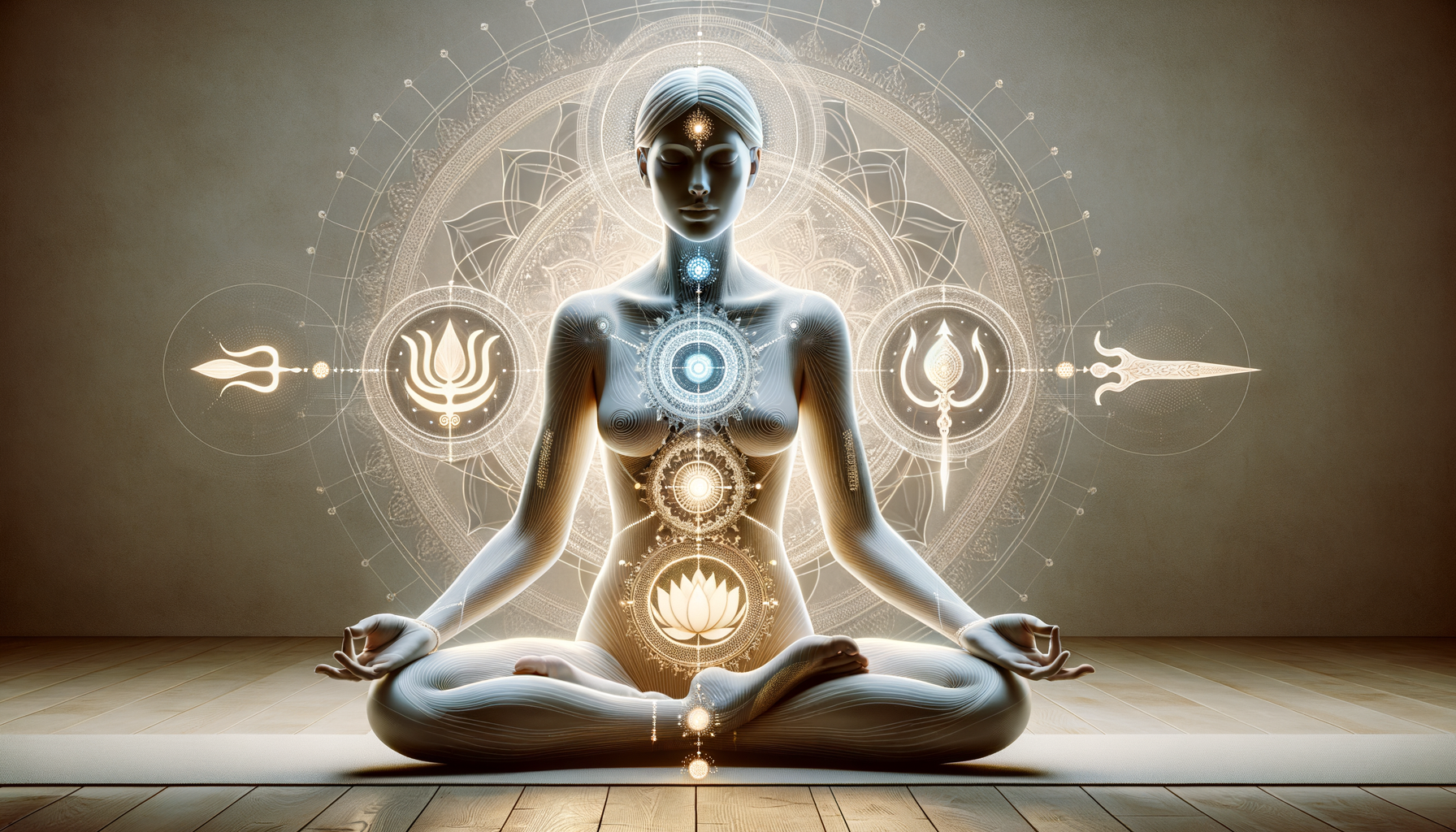
Interpreted through the lens of yogic anatomy and meditation, these mantras function as precise cues for mindful embodiment. By pairing Sanskrit formulae with gentle attention to corresponding body regions, practitioners cultivate steadiness, ethical awareness, and interiority. The practice refines perception: the body becomes a site of remembrance (smarana), the mind attunes to stillness, and action is tempered by sacred intention.
The phrases themselves offer a succinct theological pedagogy. ‘Prajanane Brahma tishtatu’ recalls creative potential and responsible stewardship of generative energy. ‘Padayo Vishnu tishtatu’ roots preservation and balance at the feet—the foundation of movement and support. ‘Hastayo Hara tishtatu’ brings transformative power to the hands—the locus of action, craft, and service—encouraging deeds aligned with dharma and compassion.
Traditionally practiced within nyasa-like contemplations and preparatory rituals for mantra, meditation, or yoga, this limb-wise remembrance situates the practitioner in a field of meaning before any outward act. Many report that a brief sequence of breath awareness, mental recitation, and attentive touch or visualization fosters inner harmony, emotional regulation, and clarity of purpose. The underlying principle is simple yet profound: when awareness is sanctified, action follows in its path.
Parallels across dharmic traditions underscore a shared ethos of embodied mindfulness. Buddhist kāyānupassanā (mindfulness of the body), Jain dhyana disciplines of restraint and awareness, and Sikh simran that recognizes the Divine pervading the self each affirm that reverent attention to the body can deepen spiritual insight. This convergent wisdom supports unity across Hinduism, Buddhism, Jainism, and Sikhism, inviting mutual respect and a common pursuit of inner transformation.
For those exploring this contemplative map, a brief daily practice can be effective: sit comfortably, observe the breath, and recite the mantras with steady attention—first at the genitals (creation and responsibility), then the feet (support and preservation), and finally the hands (right action and renewal). Allow the meanings to infuse posture and intention, and let the virtues associated with Brahma, Vishnu, and Hara guide choices throughout the day. Many find that even a few minutes of such reflection elevates routine tasks into mindful service.
Ultimately, the sacred mapping of Devas onto the body is a disciplined way to align the personal with the cosmic. By integrating mantra, mindful touch or visualization, and ethical reflection, practitioners experience the body as a vessel of wisdom rather than a mere instrument of habit. In this embodied prayer, unity, clarity, and compassion become lived realities—honoring the shared spiritual heritage of the dharmic traditions while strengthening the everyday practice of inner harmony.
Inspired by this post on Hindu Pad.