
This article was originally posted on the Dharma Dispatch Substack.
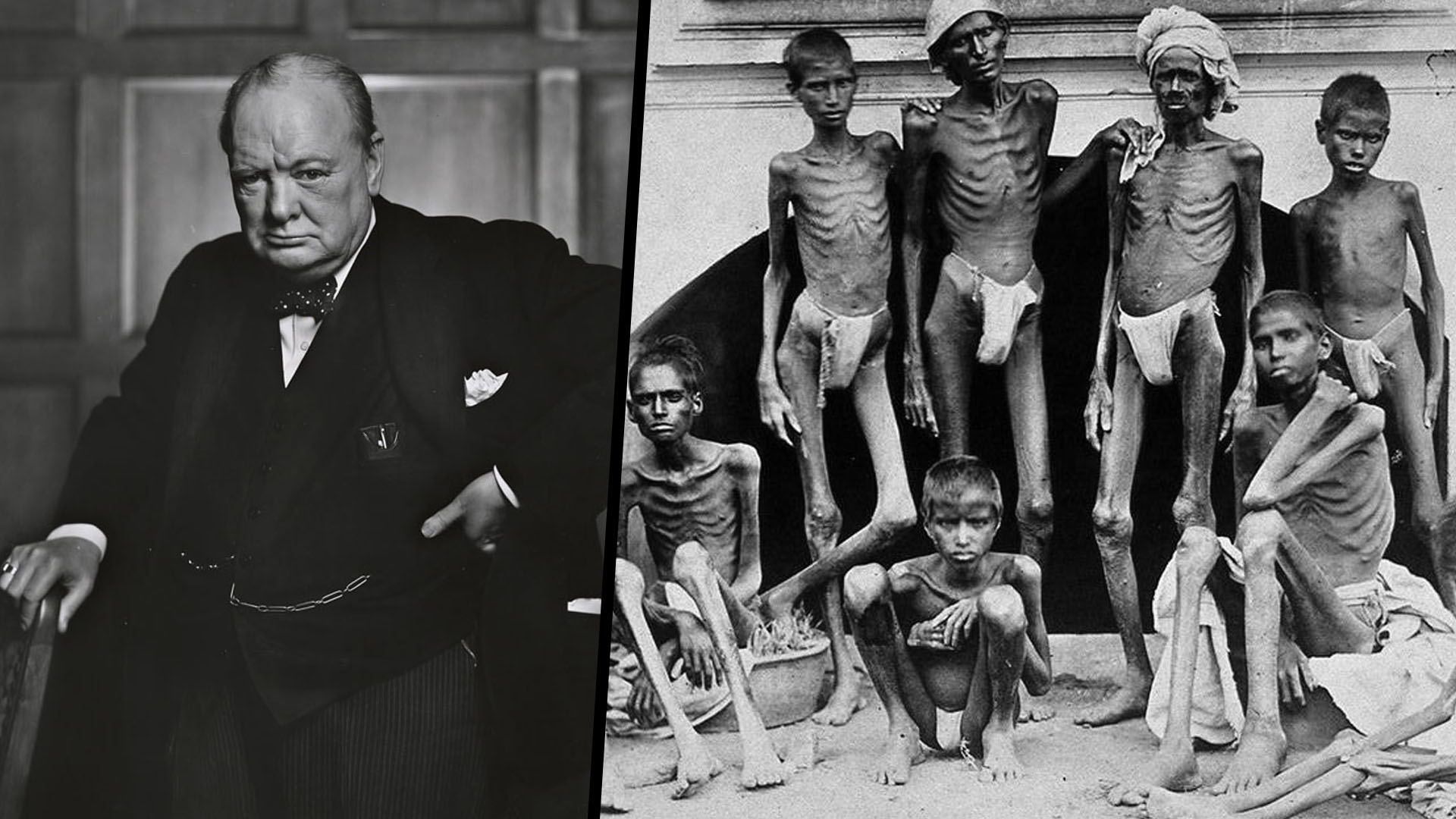
IN THE PREVIOUS EPISODE of this podcast series, we saw how the British Governor-General, Wellesley drastically reduced the endowments given to Hindu charitable institutions from 855000 to just about 200000 lakh rupees in the Mysore kingdom. This had far reaching consequences not just for these institutions but for the traditional culture of food sharing, the sacred cherished cultural practice of Annadanam, something that India had always been renowned for countless centuries.
The fall was swift.
As early as 1829, the new governor general William Bentinck was gloating in a letter about the great success of this destructive British project of systematically starving India. The closer the English-educated Hindus came in contact with the British, the more they became like them, the more they imitated their manners and lifestyle and imbibed the same European contempt towards the social customs and traditions of their own countrymen.
The British famine report of 1880 led to the creation of an elaborate bureaucracy for managing famine and relief efforts. Its mechanisms and justifications are rooted in this fundamental British or European attitude towards food…in other words, it operates on the premise that Annadanam is unethical and is a social evil.
This report is still the basis for the management of famine and relief measures in independent India. This is precisely how the colonial British systematically and institutionally destroyed not just traditional Hindu charitable institutions but transformed India into a nation of beggars.
Please consider supporting Dharma Dispatch on Substack and following their twitter account.