Young seekers across classrooms and families often ask a profound question: who is responsible for creation and destruction? This question deserves clear, compassionate, and intellectually honest responses grounded in the spiritual values of Hinduism while remaining inclusive of the broader dharmic traditions of Buddhism, Jainism, and Sikhism. When explained with care, these teachings strengthen a living commitment to Dharma and provide practical guidance for modern life.
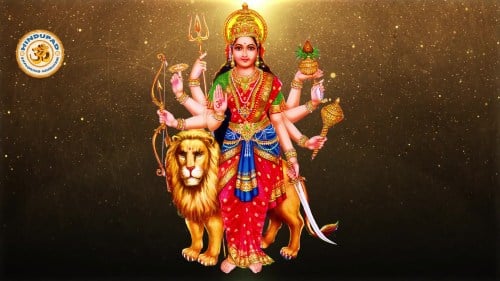
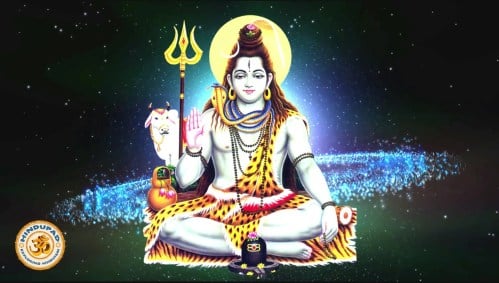
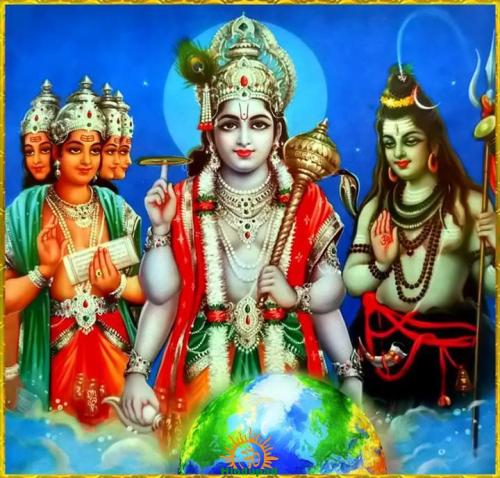
Dharmic wisdom approaches the cycle of creation and dissolution as a purposeful process rather than a random event. In Hindu thought, the Trimurti symbolizes functions of the one Supreme Reality (Brahman): origination, sustenance, and transformation. Sikh teachings speak of Ik Onkar and hukaman all-pervading Divine Order within which birth and death unfold. Buddhist insights on impermanence and dependent origination explain how all phenomena arise and pass away through causes and conditions. Jain philosophy presents anekāntavāda (many-sided truth), encouraging nuanced understanding of cosmic processes without reducing them to a single viewpoint. Together, these perspectives harmonize to affirm that creation and destruction are complementary movements within a moral cosmos.
Common doubts arise: if there is Divine agency, why is there destruction? Dharmic traditions answer that what appears as destruction is often transformationlike autumn leaves falling to nourish new growth. Periods of dissolution make space for renewal; endings open paths to beginnings. This view does not diminish suffering but gives it meaning within an ethical framework shaped by Dharma and karma.
Hindu scriptures frequently emphasize this cyclical clarity. The Upanishads describe Brahman as the substratum of all existence, beyond change yet the source of change. The Bhagavad Gita teaches that worlds arise and recede in rhythm, guided by an intelligent order, while urging individuals to act with responsibility and compassion. Related insights appear across dharmic literature: Buddhist texts underscore the inevitability of change and the value of mindful response; Jain works highlight self-discipline and non-violence; Sikh bani centers the heart in remembrance (simran) and service (seva) within hukam.
For young minds seeking practical direction, an integrated path emerges. Daily practices such as meditation (dhyana), mindful conduct, truthfulness (satya), non-violence (ahimsa), self-reflection, simran, seva, and periodic pratikraman cultivate clarity, resilience, and ethical strength. These practices help students navigate exams, peer pressures, digital distractions, and uncertainties with composure, aligning conduct with Dharma while honoring plural paths.
Clarity also grows through respectful dialogue. When questions are welcomednot dismissedcuriosity matures into conviction. Anekantavada encourages examining multiple perspectives before forming conclusions, while the Gita’s emphasis on reasoned inquiry ensures faith is supported by understanding. This approach builds confidence without dogmatism and fosters unity in spiritual diversity.
Viewed through this lens, responsibility for creation and destruction can be understood as the work of an underlying Realitynamed Brahman, Dharma, or hukamoperating through lawful order. Humans are called to align with this order by living responsibly, serving the community, and protecting all life. Such alignment nurtures inner peace and social harmony.
Ultimately, the dharmic message is hopeful: understanding creation and destruction as a sacred rhythm cultivates courage, compassion, and clarity. It honors Hindu scriptures and welcomes the insights of Buddhism, Jainism, and Sikhism, enabling young seekers to uphold Dharma with wisdom. This unity of understanding deepens spiritual maturity and strengthens bonds across the dharmic family.
Inspired by this post on Hindu Pad.