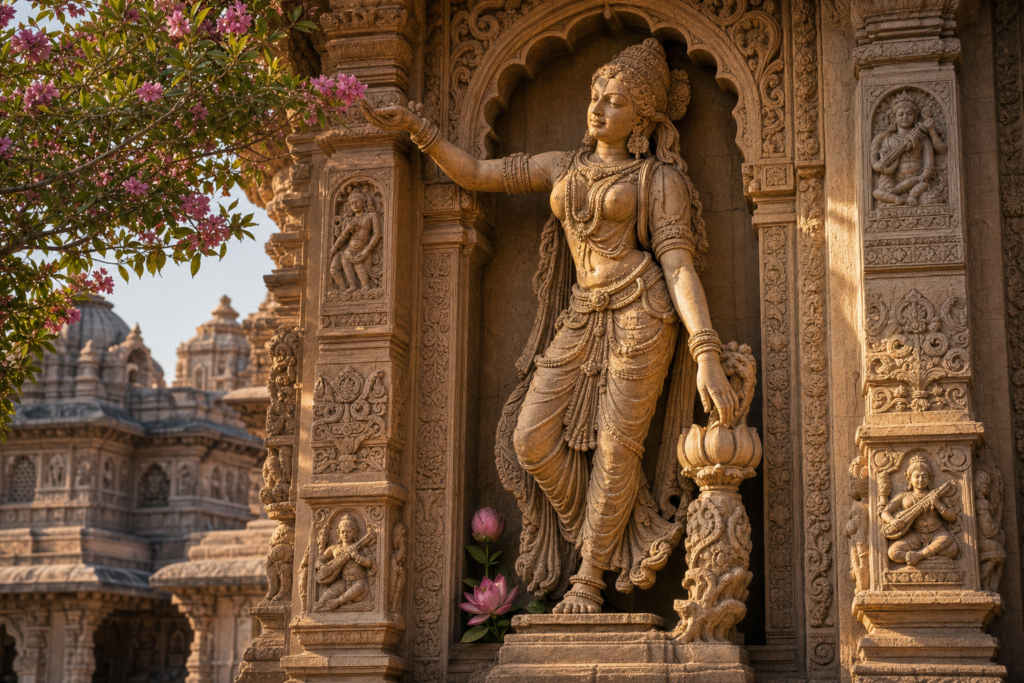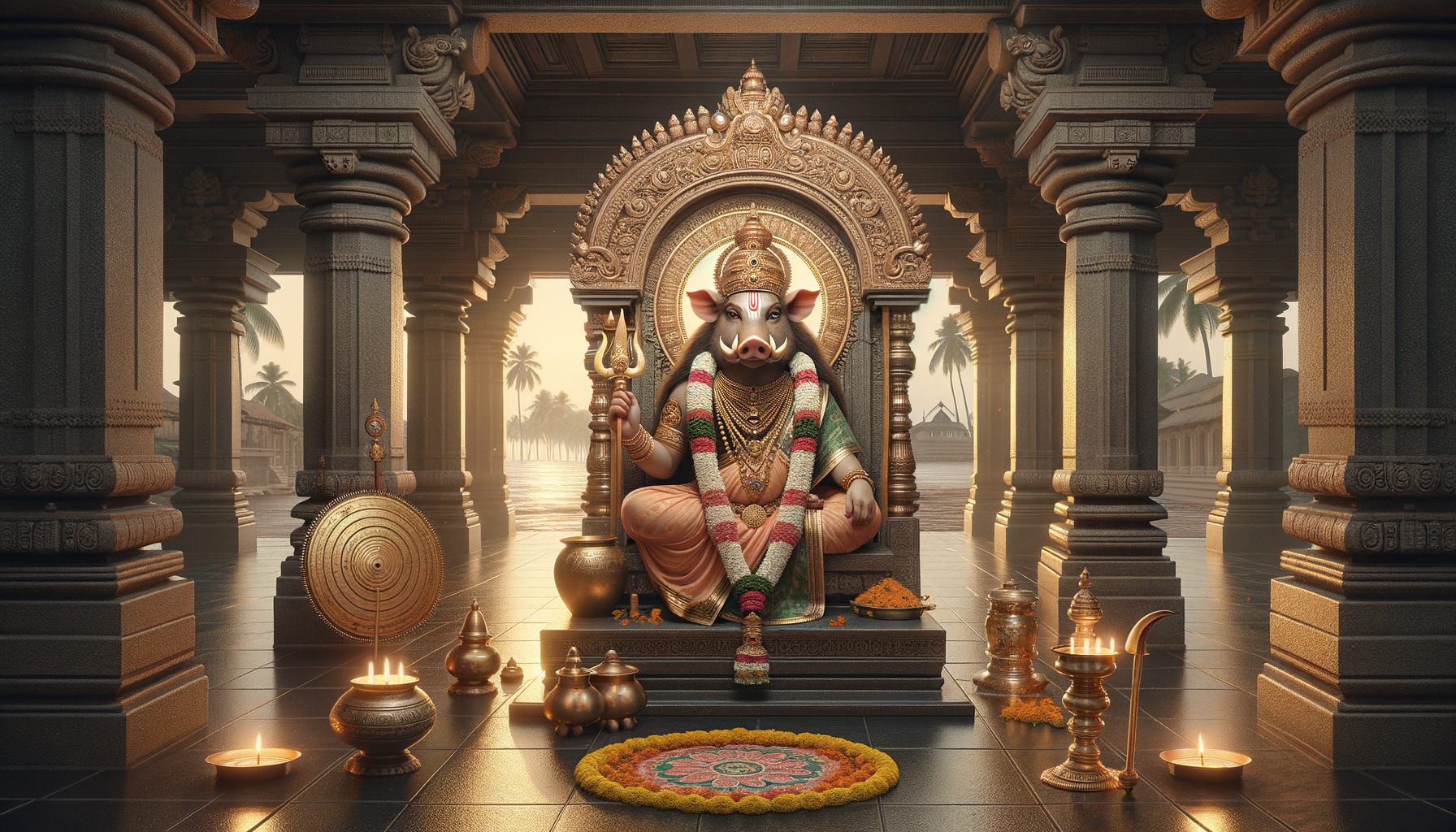
Tamil Nadu sustains a vibrant tradition of Varahi worship, honoring Varahi as a formidable manifestation of Shakti and one of the Sapta Matrikas. Across the region, temples dedicated to the boar-headed goddess serve as centers of protection, courage, and wisdom, drawing pilgrims who seek blessings and a deeper engagement with the state’s living Shakta heritage.
Among the notable shrines, the Suyambu Varahi Amman Temple in Uthirakosamangai, Ramanathapuram District, stands out for its distinctive spiritual aura and historical resonance. The temple is renowned for its self-manifested idol (swayambu), a feature that underscores the site’s antiquity and sacredness within the Varahi tradition. Devotees describe the sanctum’s atmosphere as solemn and protective, reflecting Varahi’s role as a guardian who dispels fear and strengthens resolve.
Visitors frequently remark on the temple town’s gentle rhythmconch calls at dawn, the fragrance of lamps and flowers, and the contemplative hush that accompanies darshan. These sensory impressions offer an accessible path into the metaphysical dimensions of Devi worship, transforming a pilgrimage into an experiential study of Tamil Nadu’s spiritual landscape. Such encounters also help first-time visitors understand why Varahi is revered for practical well-being, clarity in decision-making, and inner steadiness.
In the broader Shakta framework, Varahi embodies protective intelligence and decisive action, qualities that complement the compassionate and nurturing aspects of Devi. This theological balance resonates with core dharmic valuesdiscipline, compassion, and self-knowledgeshared across Hinduism, Buddhism, Jainism, and Sikhism. By emphasizing these common virtues, the temple experience becomes a bridge of understanding across dharmic traditions, encouraging unity while honoring distinct forms of practice.
For those planning visits, Uthirakosamangai’s Suyambu Varahi Amman Temple is accessible within Ramanathapuram’s wider pilgrimage circuit. Respectful dress, mindful participation in rituals, and attention to local guidance enrich engagement with the site’s customs and heritage. Observing temple etiquette supports both spiritual focus and cultural preservation, ensuring that sacred spaces remain welcoming and sustainable for future generations.
As interest in Varahi worship grows, Tamil Nadu’s temples offer a living study of Shakti traditionsrooted in scripture, enlivened by community, and relevant to contemporary seekers. Exploring these sacred sites fosters a nuanced appreciation of Tamil heritage and reinforces the dharmic commitment to harmony, learning, and shared spiritual values.
Inspired by this post on Hindu Pad.