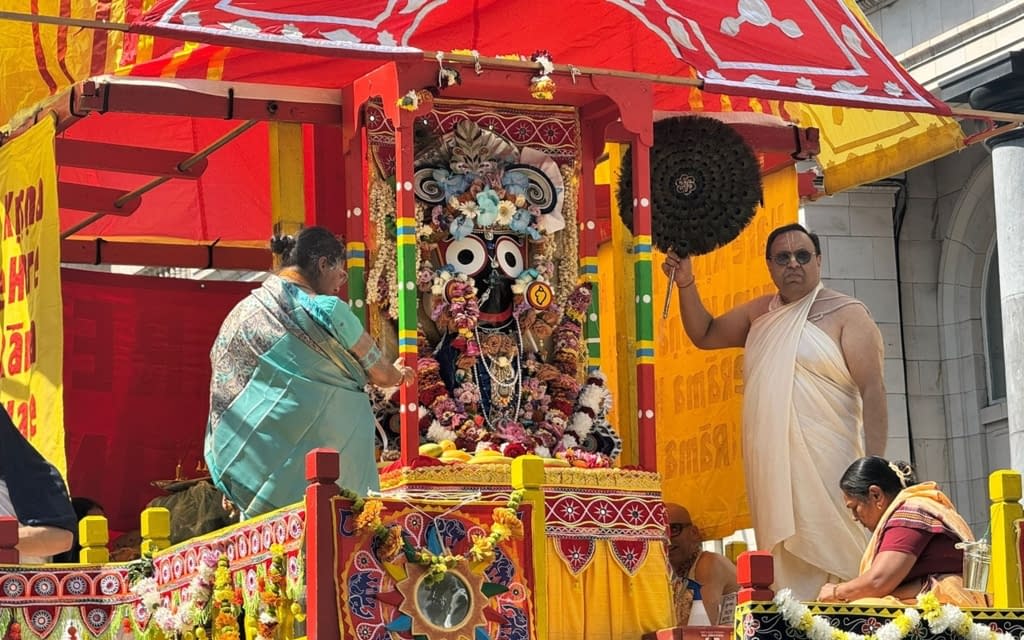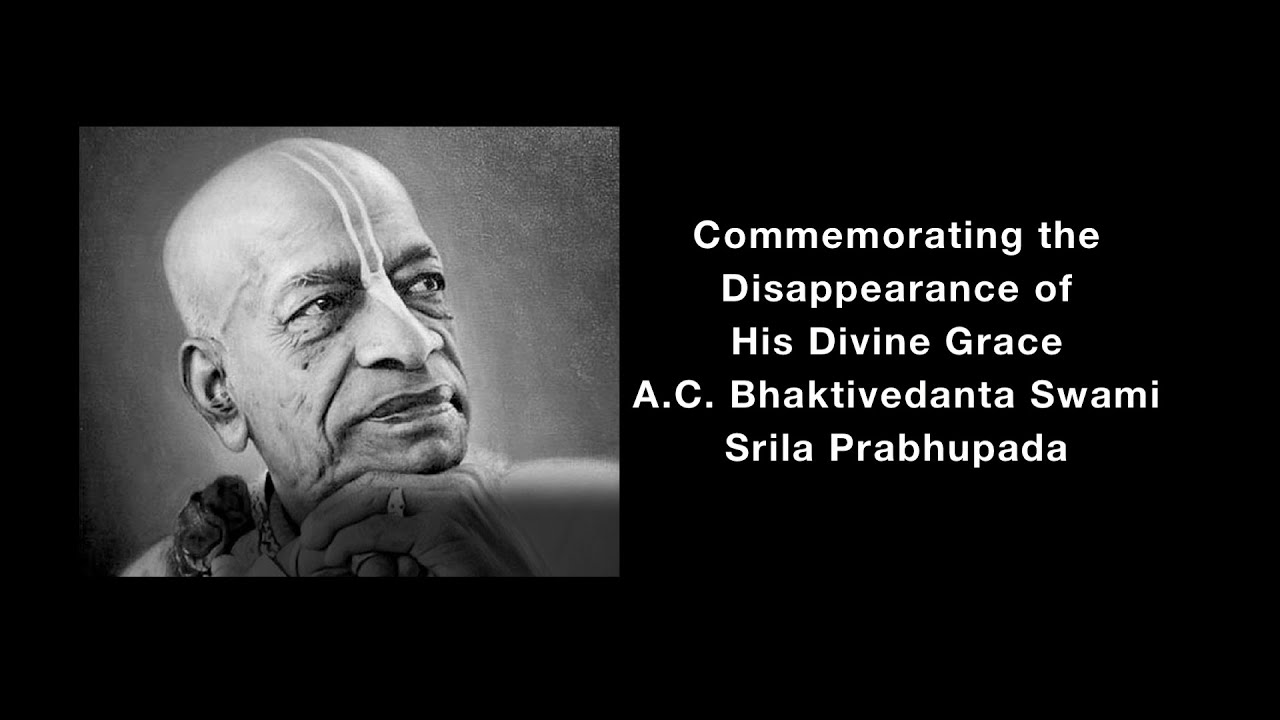
On 14 November 1977, Srila Prabhupada departed from this world in Vrindavan dham, India. While the passing of a revered guide is often approached with solemnity, the Bhakti Tradition within Sanatana Dharma observes a disappearance day (tithi) as a dignified celebration of spiritual attainment. In Vaishnava understanding, such a departure marks the return of a pure Vaishnava to eternal service (nitya-seva) to Bhagavan, offering devotees a moment to deepen devotion, gratitude, and service.
Accounts of that day in Vrindavan emphasize a mood of contemplation, kirtan, and collective remembrance—an atmosphere that fostered both emotional connection and philosophical clarity. The event is remembered not as an end but as a continuation of a Spiritual Legacy, sustained through teachings, kirtan, and seva. Such remembrance aligns with the Guru-Shishya Tradition, where honoring the guru’s life strengthens commitment to dharma and compassionate action.
This perspective resonates across Dharmic Traditions. In Buddhism, observances of parinirvana honor the realized being’s final liberation; in Jainism, commemorations of nirvana affirm ultimate freedom from bondage; in Sikhism, remembrance of a guru’s jyoti jot emphasizes continuity of the divine light. These shared frameworks demonstrate Unity in spiritual diversity—distinct paths within Hindu spirituality, Buddhism, Jainism, and Sikhism that converge on reverence for realized teachers and the transformative power of their example.
The theological rationale is both simple and profound: the life of a pure Vaishnava exemplifies unwavering Devotion and service, and the disappearance day acknowledges the perfection of that service. Remembering Srila Prabhupada in this light encourages communities to embody Sanatana Dharma through humility, study, and compassionate engagement with society. It also fosters inter-traditional harmony, where shared values—truth, nonviolence, self-discipline, and service—become the foundation of collective well-being.
In practice, observances often include study of Bhagavad-Gita and Srimad-Bhagavatam, sankirtan, offerings of seva, and community outreach grounded in empathy. Inclusive gatherings that welcome practitioners from various Dharmic paths reinforce common ethical commitments while honoring diverse spiritual expressions. By approaching disappearance day with this understanding, communities transform grief into purposeful remembrance and align personal conduct with enduring wisdom.
Inspired by this post on Dandavats.