Across eras and cultures, words have repeatedly demonstrated a capacity to reshape societies more decisively than force. The historical record shows that ideas, when articulated clearly and shared widely, can mobilize public conscience, reform institutions, and nurture unity without violence. This dynamic underscores an enduring principle: persuasive literature and principled discourse often achieve what weapons cannot.
A notable illustration arises in 1776, when Thomas Paine’s pamphlet Common Sense circulated rapidly through the American colonies. Written in accessible language and distributed at scale, the text transformed public opinion by reframing complex political questions into clear moral imperatives. Its impact reveals how strategic communicationrooted in clarity, empathy, and reachcan accelerate historical change.
Another case emerges from mid‑twentieth‑century Cuba, where Fidel Castro composed the speech History will Absolve Me while in prison and had it smuggled out and disseminated among the populace. Beyond any single personality or outcome, the episode underscores a consistent pattern: well‑crafted messages travel across barriers, galvanize networks, and establish legitimacy through reasoned appeal rather than coercion.
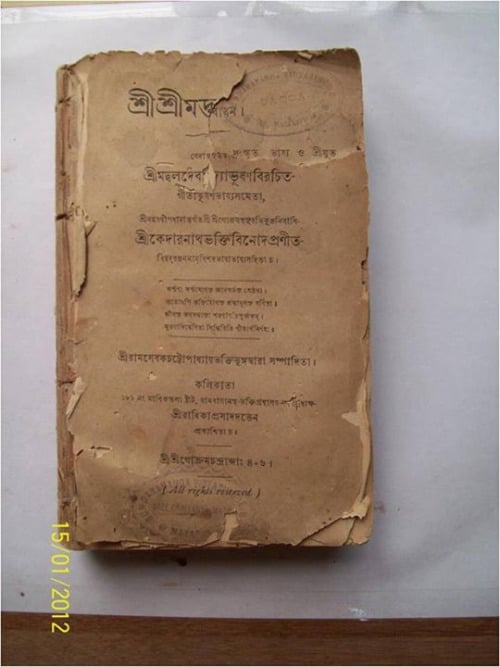
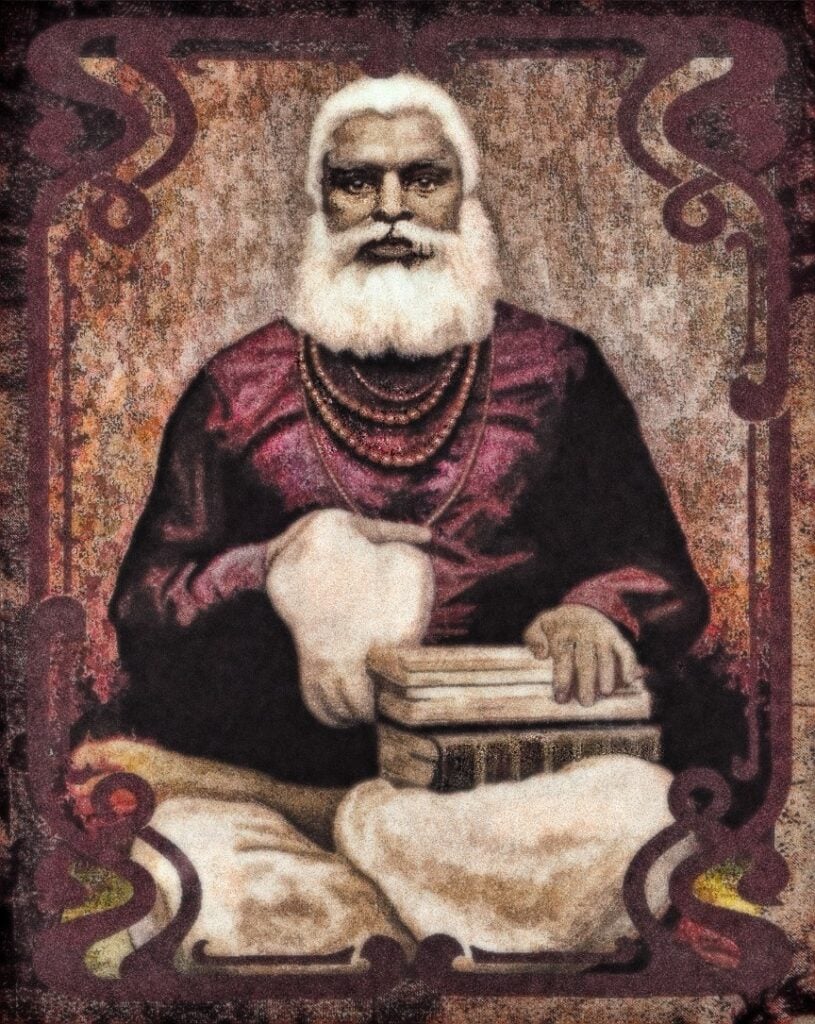
Within the dharmic landscape, the emphasis on transformative literature has long been explicit. Srila Bhaktisiddhanta Sarasvati encouraged thoughtful distribution of texts, stating: “As soon as a single person will have conceived the sincere desire of undertaking the promulgation of the tidings of the Gaudiya literature to the peoples of this world, he is thereby enrolled among the agents of divine mercy with power to forward the fulfillment of this expressed wish of the Supreme Lord.” This perspective frames book distribution not merely as logistics, but as a compassionate, world‑affirming service.
Viewed comparatively, the dharmic traditionsHinduism, Buddhism, Jainism, and Sikhismhave relied on texts and teachings to cultivate ethical conduct, non‑violence, and social harmony. From the Bhagavad Gita and the Dhammapada to Jain Agamas and the Guru Granth Sahib, these wisdom traditions channel the moral force of words to inspire restraint, dialogue, and unity in diversity. The unifying thread is clear: durable change arises when communities internalize principles and embody them through informed, compassionate action.
In contemporary contexts, the same principles continue to apply. Responsible journalism, community reading circles, and thoughtful book distribution strengthen cultural heritage and civic trust. When ideas are presented with intellectual rigor, emotional resonance, and inclusive intent, they create shared understanding across differencesan approach aligned with dharmic values of mutual respect and peaceful coexistence.
This pattern offers a practical lesson: invest in literature that clarifies truth, uplifts conscience, and bridges communities. History consistently shows that such texts outlast conflict, outpace force, and outshine propaganda. By honoring this proven pathrooted in clarity, empathy, and ethical purposesocieties can master the nonviolent arts of persuasion, safeguard cultural continuity, and foster unity across the broad tapestry of spiritual life.
Inspired by this post on Dandavats.