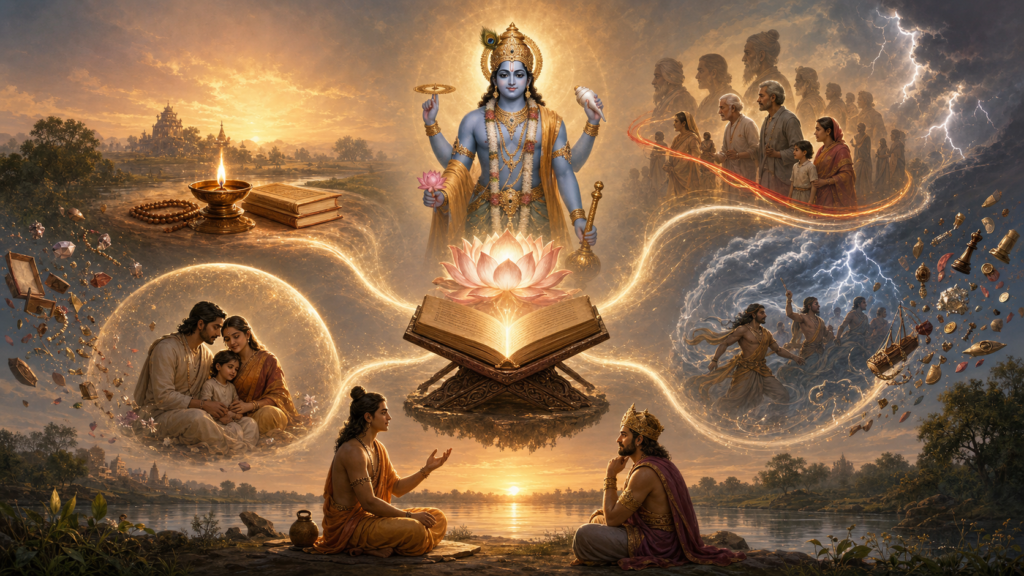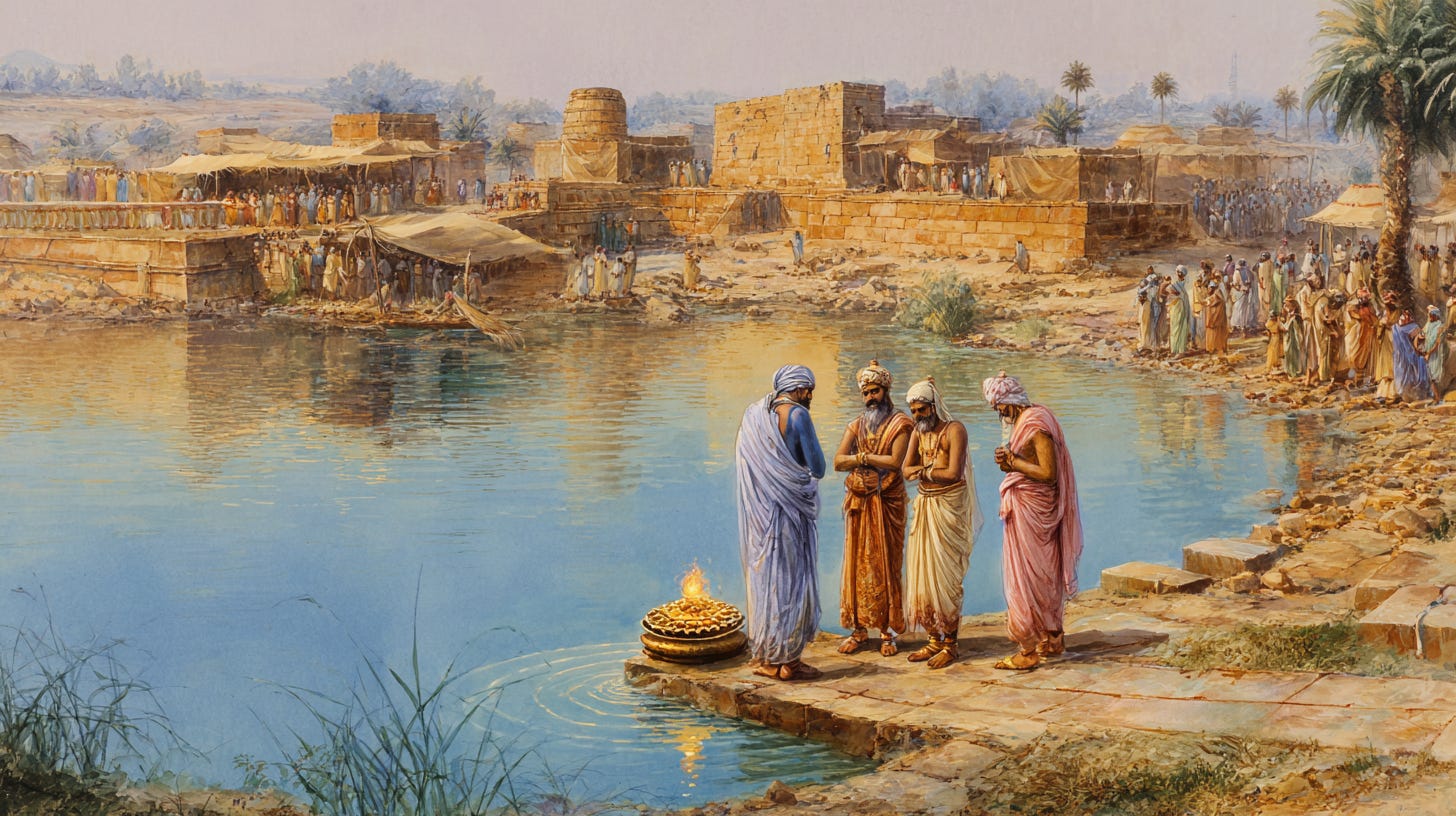
Vrātya-stōma, a Vedic expiatory rite of reintegration, offers a powerful civilizational metaphor: the door of Sanatana Dharma remains open to sincere seekers, welcoming them into its philosophical and spiritual fold. This principle of inclusion, grounded in dharma and compassion, has long resonated beyond the Indian subcontinent, drawing Western thinkers toward the depth of Vedic wisdom and the shared values that connect Hinduism, Buddhism, Jainism, and Sikhism.
Historically, Vrātya-stōma addressed how communities could harmoniously re-absorb those who stood at the margins of practice, not through coercion but through understanding, ritual, and ethical renewal. As a symbol, it illuminates a timeless approach to cultural exchange: mutual respect, rigorous inquiry, and spiritual opennessqualities that characterize the reception of Sanatana Dharma among numerous Western intellectuals.
From the nineteenth century onward, translations of the Upanishads and the Bhagavad Gita catalyzed a quiet revolution in global thought. Concepts such as atman, Brahman, karma, and moksha, alongside yogic and meditative disciplines, entered broader philosophical conversations. This cross-cultural encounter highlighted a unifying current across dharmic traditions: ethical living (dharma), non-violence (ahimsa), inner transformation (yoga and meditation), and reverence for plural paths to truth.
Arthur Schopenhauer famously engaged the Upanishads with enduring appreciation, identifying in Vedanta a rigorous metaphysics and ethics that challenged and enriched European philosophy. His reflections on māyā, suffering, and compassion aligned with currents in Buddhism and Jainism, demonstrating how dharmic concepts can deepen philosophical discourse without requiring the abandonment of one’s cultural inheritance.
Ralph Waldo Emerson, drawing on the Bhagavad Gita and the Upanishads, distilled ideas of the Over-Soul and moral self-cultivation that informed Transcendentalism. His engagement exemplified an interfaith and intercultural ethos: approaching Sanatana Dharma as a living wellspring of insight, not a doctrine to replace other traditions, but a lens to refine conscience, expand empathy, and strengthen the search for universal truth.
In more recent scholarship, Koenraad Elst and David Frawley have explored Vedic heritage, Yoga, Ayurveda, and Indic intellectual history through a lens that emphasizes fairness, depth, and dialogue. Their work underscores that the strength of Sanatana Dharma lies in its capacity to host diverse viewpointsHindu, Buddhist, Jain, and Sikhwithin a shared ethical and spiritual vocabulary that prioritizes inquiry, practice, and societal harmony.
Seen through this lens, Vrātya-stōma becomes a civilizational template for welcome: cultural participation over conversion, and learning over polemic. The dharmic emphasis on freedom of conscience and responsibility in conduct invites engagement from all backgrounds, allowing communities to cultivate unity in diversity while preserving distinct lineages of wisdom.
Such inclusivity resonates with contemporary needs. As global societies navigate difference, the dharmic synthesisSanatana Dharma with its Vedantic core, the meditative depth of Buddhism, the ethical rigor of Jainism, and the devotional and community-centered strength of Sikhismoffers complementary methods for inner growth and social cohesion. Each tradition contributes uniquely to a common pursuit: clarity of mind, integrity in action, and compassion in community life.
For readers today, the path suggested by Schopenhauer, Emerson, Elst, and Frawley is not a call to uniformity, but an invitation to a disciplined and generous dialogue. Engaging the Upanishads, the Bhagavad Gita, Vedanta, and yogic practice can refine ethical decision-making, deepen mindfulness, and cultivate mutual respect across faithsprecisely the goals required for durable intercultural understanding.
Ultimately, Vrātya-stōma symbolizes a living principle: sincere inquiry is always welcome, and learning transforms both guest and host. The Western encounter with Sanatana Dharmaspanning philosophers, poets, and scholarsdemonstrates a proven path to shared flourishing, where unity grows not by erasing difference, but by honoring it within a larger field of truth-seeking and service.
Inspired by this post on Dharma Dispatch.