
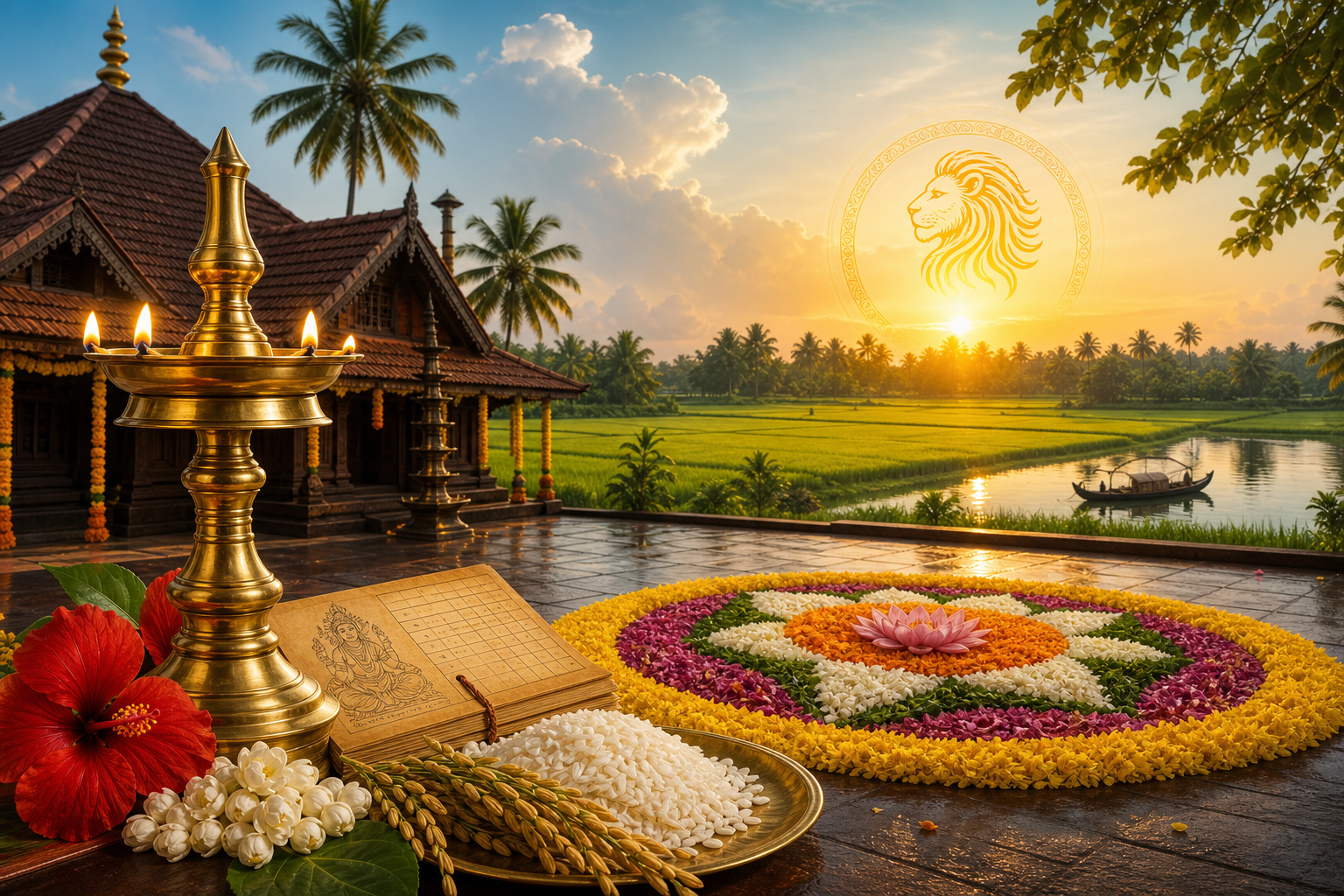
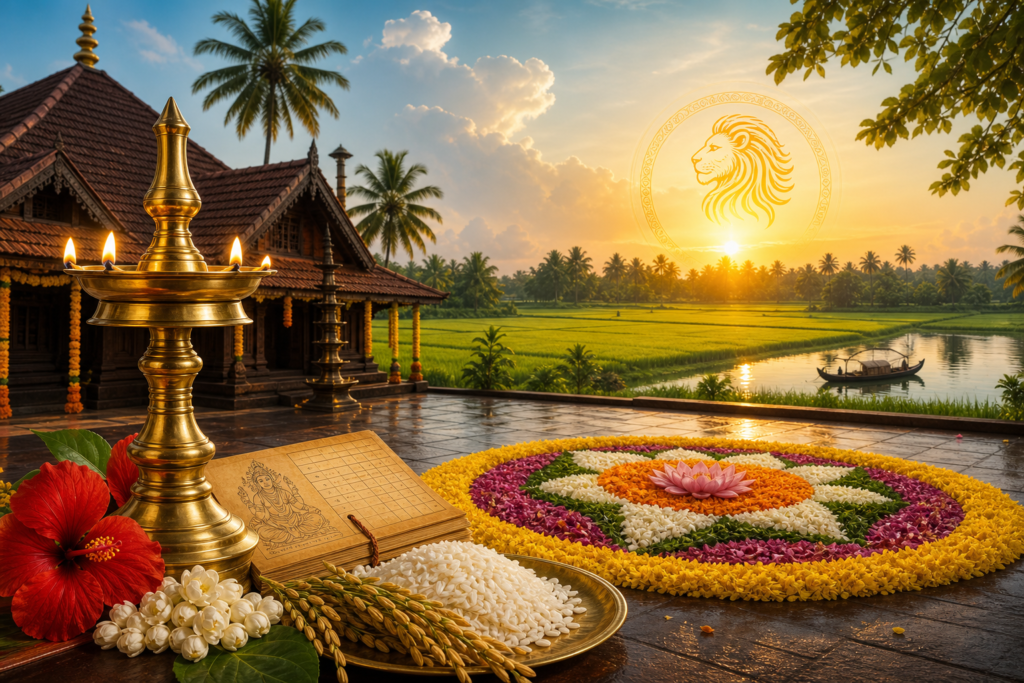
Chingam 1 in 2026 falls on August 17, marking the first day of Chingam month in the Malayalam calendar and the beginning of Kolla Varsham 1202. In the regional calendar tradition of Kerala, this day is treated as the formal opening of the Malayalam New Year 2026-2027, even though Vishu continues to hold an important place as the older and widely celebrated traditional new year associated with Medam. This layered understanding is essential, because Kerala’s calendar culture preserves both astronomical reckoning and lived cultural memory without reducing one observance into the other.
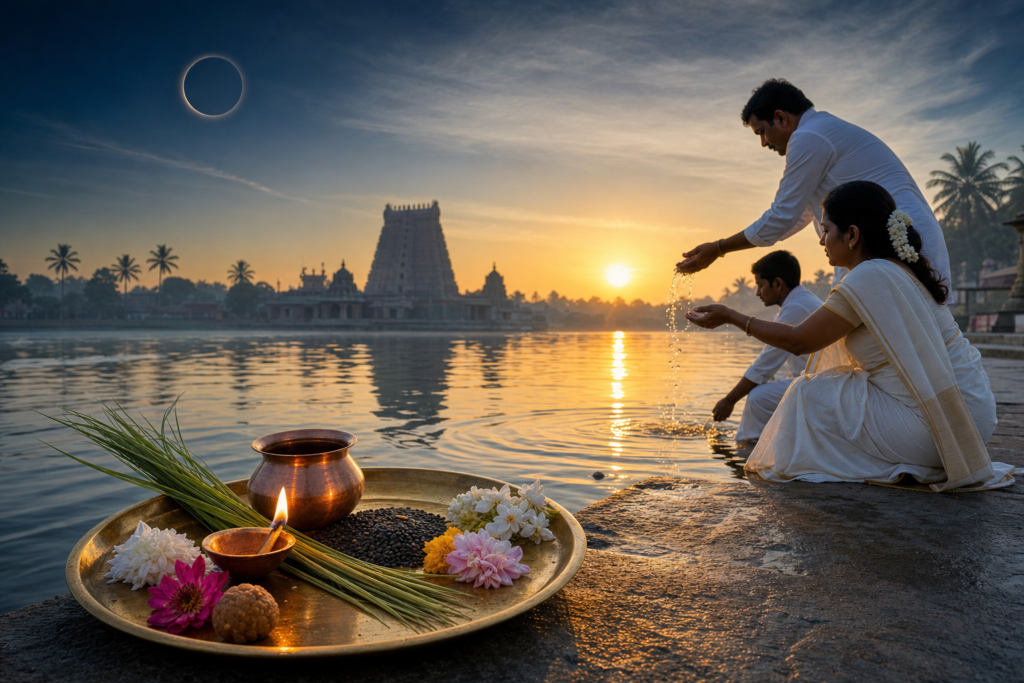
Chingam 1, also called Chingam Onnu, is significant because it marks the transition of the Sun into Chingam rasi or Simha rasi, corresponding to Leo in the zodiacal framework, from Karkidakam rasi or Karka rasi, corresponding to Cancer. This solar movement gives the date its calendrical and astrological importance. In many panchangam traditions, such transitions are not treated merely as abstract astronomical moments; they become social markers through which communities organize worship, agriculture, family rituals, temple observances, and seasonal expectations.
The Malayalam calendar, also known as the Kollam Era or Kollavarsham, is a sidereal solar calendar used historically and culturally in Kerala. Its epoch is commonly associated with 825 CE, and its year count therefore differs from the Gregorian calendar. When Chingam 1 arrives in August 2026, the Malayalam year count enters Kollavarsham 1202. This continuity gives Chingam 1 a technical importance beyond ordinary festival dating: it is the point at which almanacs, temple schedules, agricultural cycles, and regional observances begin a new annual frame.
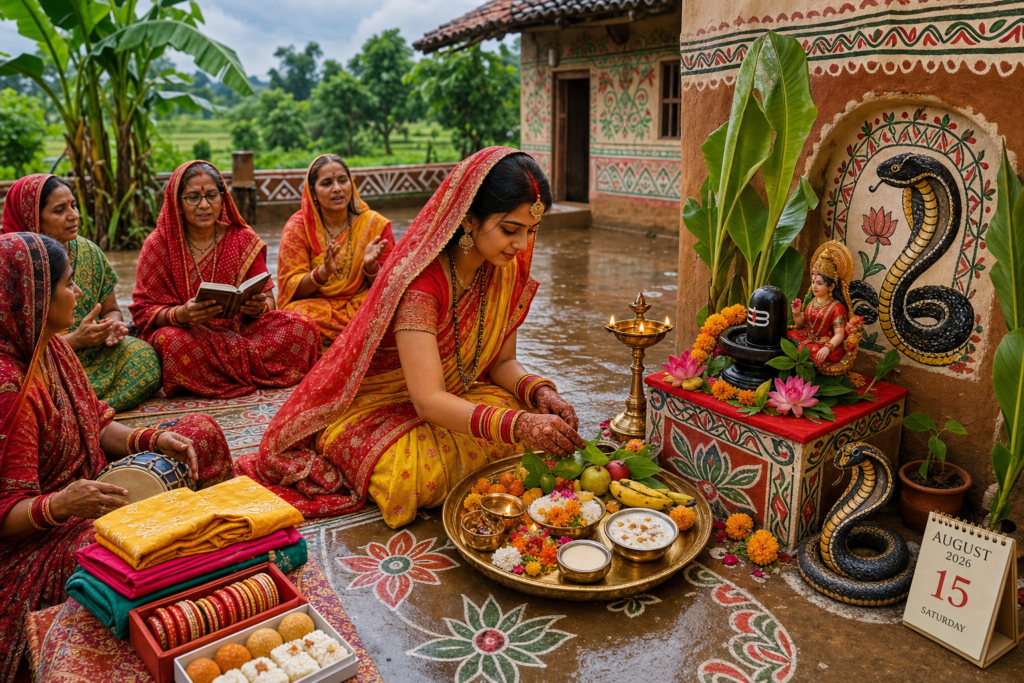
The first month of the Malayalam calendar is Chingam, generally corresponding to August-September in the Gregorian calendar. It follows Karkidakam, a month traditionally associated with heavy monsoon rains, Ramayana recitation, austerity, healing, and household discipline. The arrival of Chingam therefore carries emotional and seasonal force. It signals a movement from the inwardness of Karkidakam into renewal, prosperity, temple festivity, and public celebration. For many Malayali households, this transition is felt not only through calendar calculations but also through atmosphere: cleaner courtyards, renewed devotional activity, and anticipation of Onam.
Chingam 1 is also known in wider Indic calendrical language as Simha Sankranti, because it is tied to the Sun’s entry into Simha. Sankranti, in Sanskritic usage, denotes the solar passage from one rasi into another. In Kerala’s local idiom, this movement is expressed through the beginning of Chingam, the first month of the Kollavarsham year. The same event therefore carries multiple names depending on whether it is described through Sanskritic astrology, Malayalam civil usage, temple practice, or household tradition.
A careful reading of Chingam 1 also helps resolve a common question: is Malayalam New Year Vishu or Chingam 1? The answer depends on the calendar frame being used. Vishu, observed around April 14 or 15 during Medam, remains a major traditional New Year observance in Kerala, deeply linked with auspicious sight, seasonal balance, and the solar movement into Mesha. Chingam 1, however, marks the beginning of the Kollavarsham year in the Malayalam calendar. Both observances are meaningful, and together they illustrate the plural and layered nature of Hindu time reckoning in Kerala.
This coexistence of Vishu and Chingam 1 is not a contradiction but a feature of Indian calendrical civilization. Hindu calendar systems often preserve regional, ritual, solar, lunar, agricultural, and civil markers side by side. The Tamil New Year, Bengali New Year, Odia New Year, Ugadi, Gudi Padwa, Vishu, and Chingam 1 each reflect distinctive regional calculations while participating in a broader dharmic understanding of time as cyclical, sacred, and socially meaningful. Such diversity is one reason Indian cultural traditions remain resilient across centuries.
In 2026, Chingam 1 on August 17 becomes especially relevant for those following Malayalam panchangam references for festivals, vows, temple events, and family observances across the 2026-2027 cycle. The date marks the beginning of Kolla Varsham 1202, and from this point the months proceed through Kanni, Thulam, Vrischikam, Dhanu, Makaram, Kumbham, Meenam, Medam, Edavam, Midhunam, and Karkidakam. This month sequence is central to Kerala’s ritual and cultural rhythm, including Onam, Makaravilakku, Vishu, and many regional temple festivals.
Onam is the most prominent festival associated with Chingam month. Although Onam is not identical to Chingam 1, the opening of Chingam establishes the festive season in which Onam is celebrated. The festival is connected with King Mahabali, prosperity, ethical kingship, harvest symbolism, and the cherished memory of social harmony. In Kerala and among Malayali communities across the world, the Chingam season becomes a time of family gatherings, floral arrangements, temple visits, community meals, cultural performances, and renewed connection with ancestral identity.
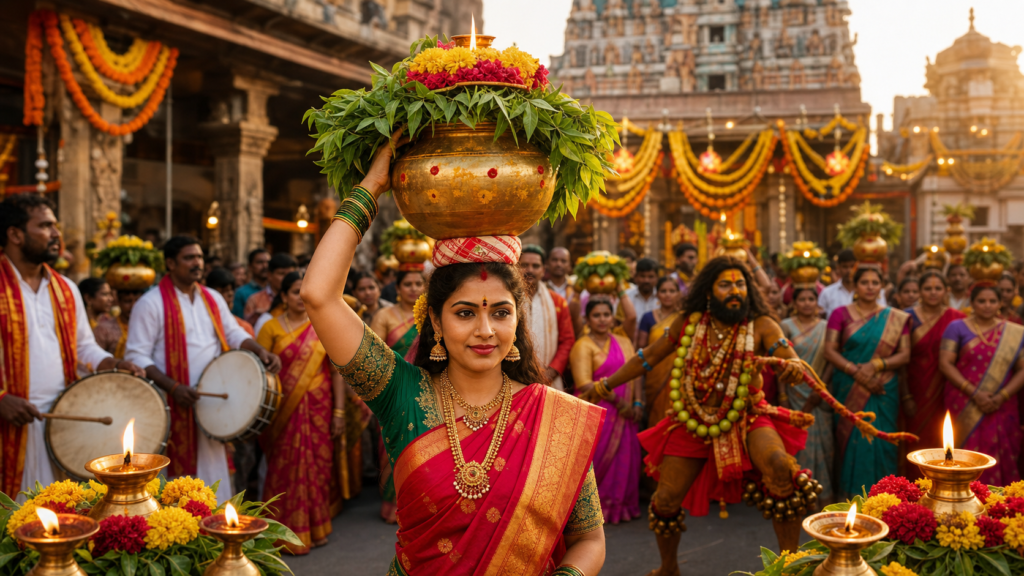
Temples in Kerala often observe Chingam 1 with special prayers, auspicious rituals, and renewed devotional activity. The day is not only a calendrical reset but also a moment of recommitment to dharma, gratitude, and disciplined living. The temple setting gives the date a communal dimension: individuals enter the new year not as isolated observers but as participants in a shared sacred order. This is why Chingam 1 continues to be meaningful even among Malayali families living outside Kerala, where temple communities and cultural associations recreate the rhythm of the homeland.
From an agricultural perspective, Chingam has long been associated with renewed abundance after the difficult monsoon phase. Kerala’s calendar is deeply tied to rain, paddy cultivation, rivers, household economy, and seasonal food practices. The emotional tone of Chingam therefore differs from purely administrative New Year celebrations. It evokes relief after Karkidakam, hope for prosperity, and confidence that nature’s cycles continue to support household and community life. This practical link between calendar and ecology is a valuable feature of traditional time reckoning.
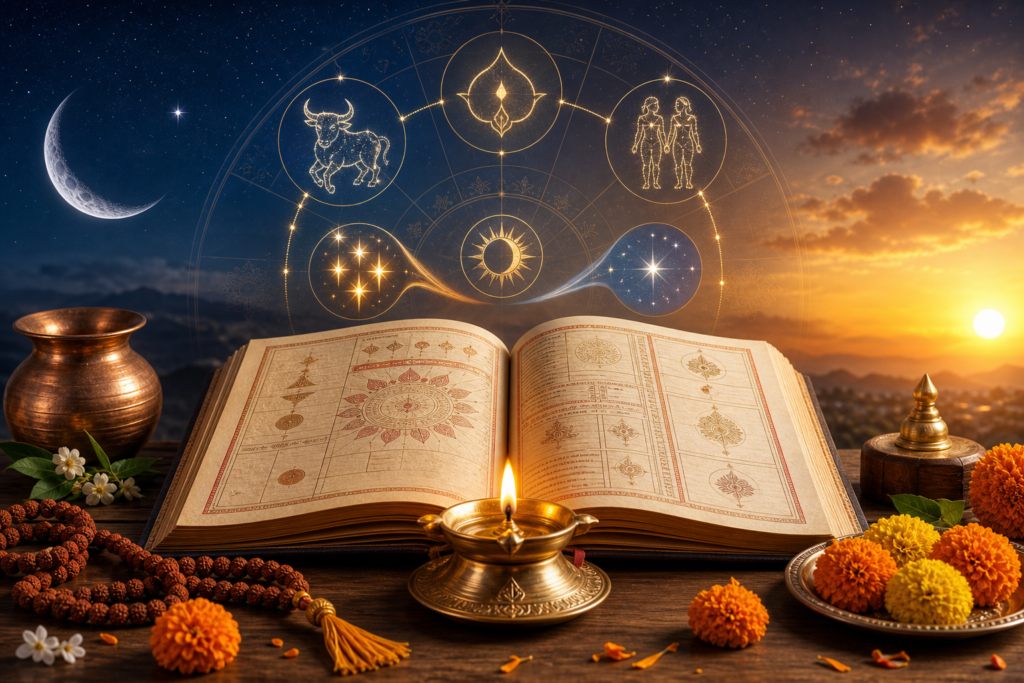
The technical structure of the Malayalam calendar also deserves attention. Unlike purely lunar calendars, the Malayalam calendar is solar in orientation, with months connected to the Sun’s movement through zodiacal signs. Chingam corresponds to Simha, Kanni to Kanya, Thulam to Tula, and so on. This makes Chingam 1 a solar threshold. Exact timings of the solar transition may be interpreted through regional panchangam rules, and local sunrise conventions can matter for ritual observance. For practical purposes, however, August 17, 2026 is the accepted date for Chingam 1 in the 2026-2027 Malayalam calendar cycle.
The broader significance of Kolla Varsham 1202 lies in continuity. A calendar is never only a method of counting days; it is a cultural archive. It remembers kings, ports, temples, trade networks, agricultural seasons, family duties, and sacred observances. Kerala’s Kollavarsham tradition links the local history of the Malabar coast with a living system of ritual time. Each new year therefore renews not only a numerical count but also a civilizational relationship with place, language, memory, and sacred practice.
For the global Malayali diaspora, Chingam 1 increasingly serves as a cultural anchor. Families in North America, Europe, the Gulf, and other regions may not experience Kerala’s monsoon or agricultural landscape directly, yet they often preserve the date through temple visits, greetings, cultural programs, and preparation for Onam. In this sense, Chingam 1 becomes a bridge between geography and identity. It allows younger generations to encounter Kerala tradition through a calendar that speaks of both astronomy and belonging.
Chingam 1 also reflects the inclusive spirit of dharmic traditions. Hinduism, Buddhism, Jainism, and Sikhism all preserve rich ways of relating time to ethics, discipline, remembrance, and renewal. While the Malayalam New Year belongs specifically to Kerala’s Hindu cultural and regional calendar framework, its deeper message is widely intelligible across dharmic life: time is an opportunity for purification, gratitude, community responsibility, and alignment with higher principles. Such observances strengthen unity without flattening regional diversity.
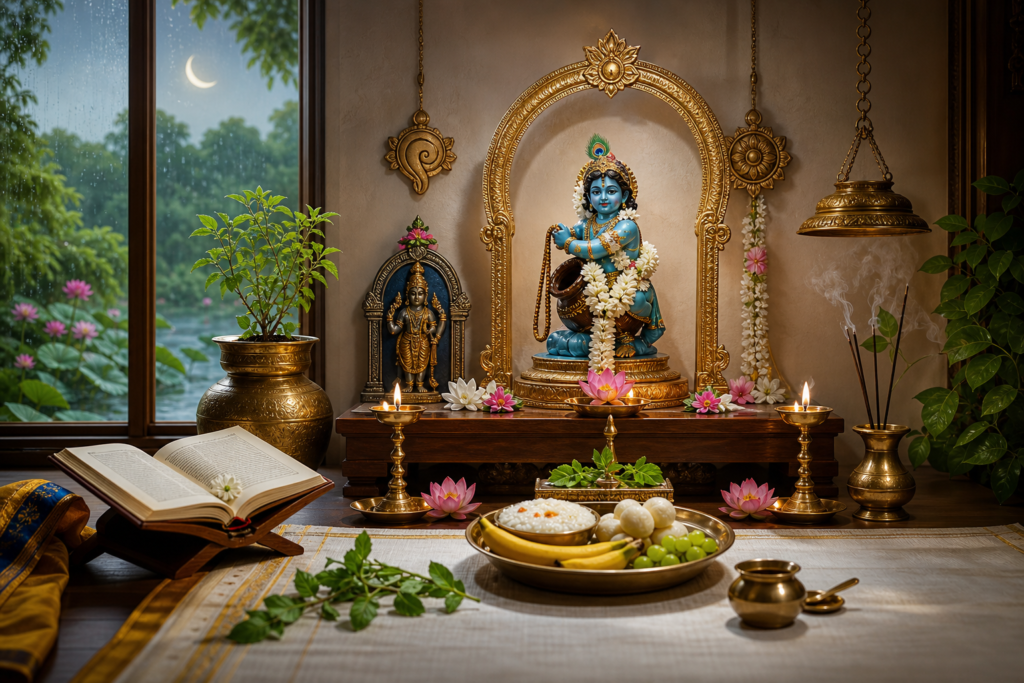
In household practice, Chingam 1 can be approached through simple and meaningful observances. Families may clean the home, light a lamp, offer prayers to the family deity, visit a temple, remember ancestors, begin charitable acts, or review personal duties for the coming year. The academic study of calendars explains the structure of the date, but lived tradition explains its emotional power. A new year becomes real when people use it to renew conduct, speech, relationships, and devotion.
The distinction between civil, ritual, and festival calendars is especially important for researchers and devotees alike. Chingam 1 begins the Kollavarsham year. Vishu remains a major traditional New Year festival associated with Medam. Onam becomes the most celebrated festival within Chingam month. These three points should not be confused, but they should also not be placed in rivalry. Together they show how Kerala’s sacred calendar distributes meaning across the year rather than concentrating all renewal into one date.
Therefore, Chingam 1 in 2026 should be understood as August 17, the opening day of Chingam month, the beginning of Malayalam New Year 2026-2027 in the Kollavarsham system, and the start of Kolla Varsham 1202. It marks the Sun’s transition into Chingam rasi or Simha rasi from Karkidakam rasi or Karka rasi, and it prepares the cultural ground for the Onam season. Its value lies in a rare combination of astronomy, regional history, temple practice, ecological memory, and family continuity.
Chingam 1 endures because it gives time a human and sacred form. It transforms a solar transition into a shared moment of renewal. It reminds Kerala’s communities that prosperity is not merely material, but also ethical, cultural, familial, and spiritual. As Kolla Varsham 1202 begins on August 17, 2026, the date invites reflection on continuity, gratitude, and the responsibility to preserve dharmic traditions with clarity, humility, and unity.
Inspired by this post on Hindu Pad.




Leave a Reply
You must be logged in to post a comment.