

The ordered investigation into the reported conversion of a government building into a church at Bapuji Nagar in Solapur has become more than a local administrative dispute. It now stands as a serious test of public-property governance, municipal accountability, and the ability of public institutions to maintain communal harmony while respecting religious freedom.
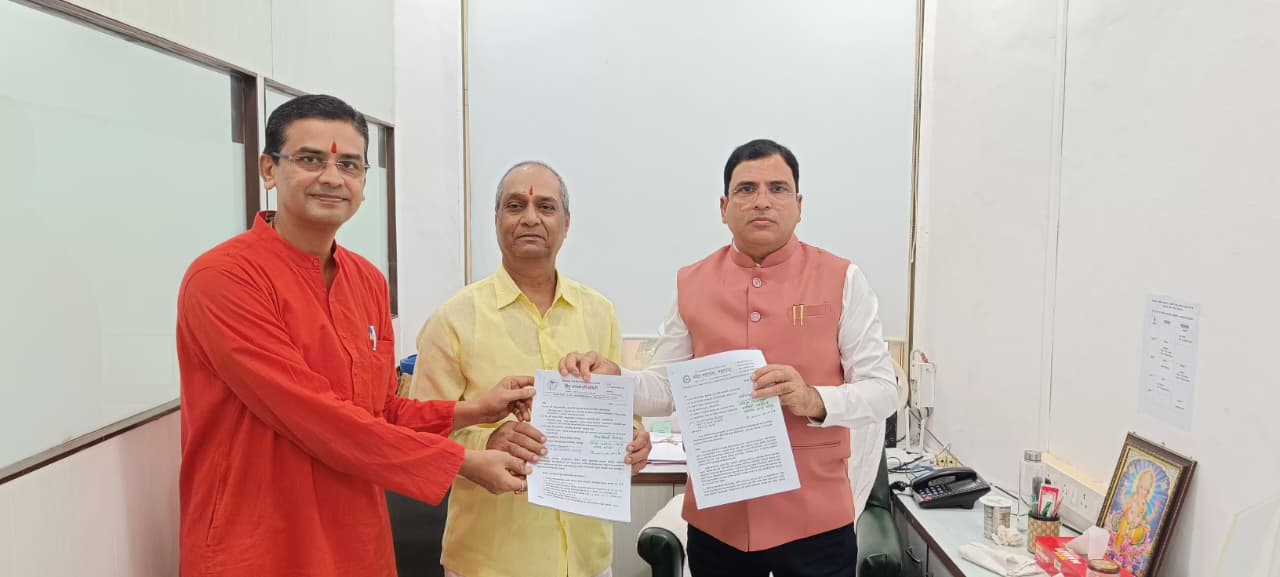
According to the available account, sustained follow-up by the Hindu Janajagruti Samiti and Hindu Rashtra Sena led to an inquiry into allegations that a government building was used in an unauthorised manner for religious purposes. The same probe is also expected to examine allegations against a Solapur Municipal Corporation health department clerk, including reservation fraud, misuse of public property, and conduct said to have affected regional communal harmony.
At this stage, the matter must be understood as an investigation into allegations, not as a final finding of guilt. That distinction is essential in any lawful society. Public concern may be legitimate, particularly when government property and public employment are involved, but administrative fairness requires documentary scrutiny, a proper hearing, and evidence-based conclusions.
The first technical issue is the status of the building itself. If the structure is government-owned or controlled by a municipal or public authority, its use is normally governed by allocation records, departmental permissions, land-use rules, and administrative orders. A government building cannot ordinarily be converted into a place of worship, office, residence, or private facility merely by occupation or repeated use. Public property exists for a defined public purpose, and any change in use must pass through lawful procedure.
This is why the Solapur case matters beyond one locality. When public buildings are used without clear authorisation, trust in local governance weakens. Citizens begin to ask whether rules are applied equally, whether public assets are being monitored, and whether officials are able to distinguish between private religious practice and the institutional use of state property.

Religious freedom remains a constitutional value in India, and it must be protected for every community. However, religious freedom does not automatically create a right to occupy or repurpose public property without permission. A lawful distinction must be maintained between private worship, which deserves protection, and unauthorised institutional use of public assets, which requires administrative review.
The second issue concerns the allegation of misconduct by a municipal employee. A public servant is expected to follow service rules, maintain neutrality, avoid conflicts of interest, and use public resources only for authorised purposes. If the employee is found to have used official access, municipal premises, or public status for private or sectarian activity, the matter could raise questions of disciplinary liability as well as administrative negligence.
The reported allegation of reservation fraud adds a separate and technically significant dimension. Reservation benefits in public employment are tied to legally verifiable eligibility. If a person has obtained appointment or advancement through false caste, community, or category claims, the matter generally requires verification through competent authorities, documentary examination, and a formal process. Such cases are not merely clerical disputes; they affect the integrity of social justice policy itself.
For communities that rely on reservation safeguards, fraudulent claims can feel deeply personal. They do not only distort employment records; they may also deprive eligible candidates of opportunities intended for historically disadvantaged groups. A credible investigation must therefore separate political rhetoric from verifiable evidence and determine whether any certificate, declaration, or service record was misused.
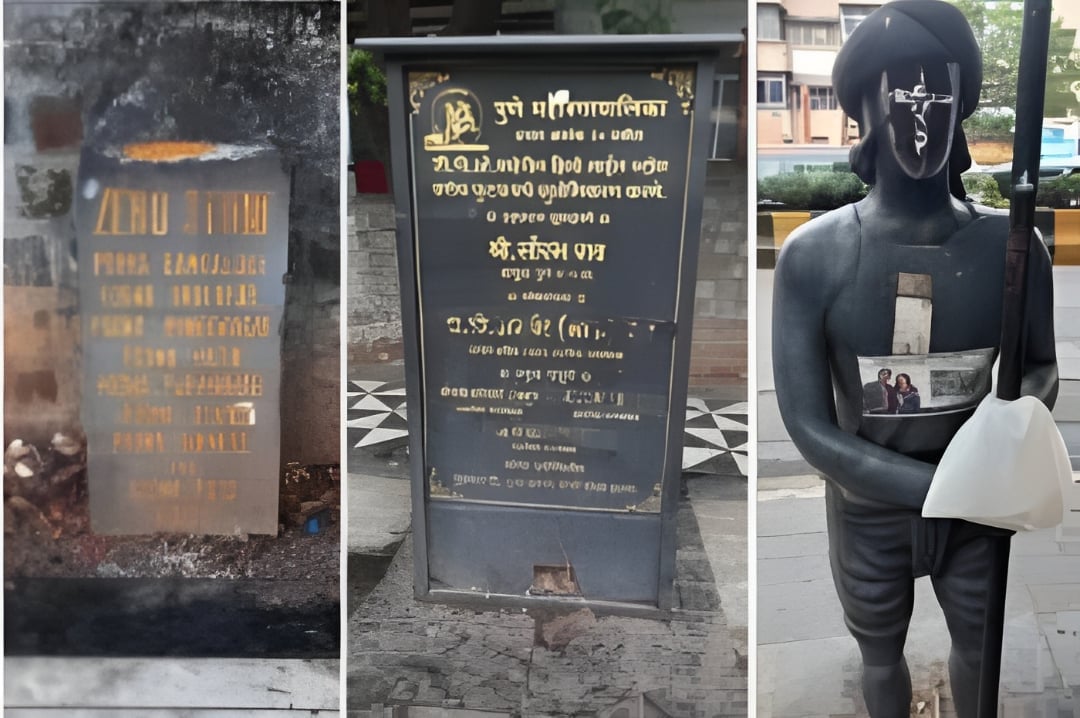
The third issue is communal harmony. In a diverse city like Solapur, allegations involving religious conversion, government property, and municipal officials can quickly become emotionally charged. This makes official transparency even more important. When facts remain unclear, public imagination fills the gap. When inquiry reports are delayed or vague, competing narratives harden. A timely and impartial probe can reduce tension by replacing speculation with evidence.
The role of Hindu organisations in raising the matter should be understood within the broader framework of civic vigilance. Groups such as the Hindu Janajagruti Samiti and Hindu Rashtra Sena may frame the issue in terms of Hindu rights, religious conversion, and protection of public spaces. Yet the strongest institutional argument is not sectarian; it is civic. Government property must be governed by law, and public servants must be accountable to the public.

A Dharmic reading of the issue also points toward order, fairness, and restraint. Hinduism, Buddhism, Jainism, and Sikhism all emphasise responsibility, truthfulness, and disciplined conduct in public life. The protection of community confidence does not require hostility toward any faith. It requires equal rules, transparent institutions, and the refusal to let state assets become instruments of private influence.
The investigation should therefore examine several concrete questions. Who owns the Bapuji Nagar building? What was its original sanctioned purpose? Was any written permission granted for religious use? Which department had custody of the premises? Were municipal records altered, ignored, or bypassed? Did any official permit, encourage, or fail to prevent the alleged unauthorised use?

Equally important is the service-record inquiry. Investigators should review the employee’s appointment documents, reservation eligibility records, departmental postings, access to the premises, and any official correspondence connected with the building. If allegations of fraud or misconduct are unsupported, the employee should not be publicly condemned. If evidence confirms wrongdoing, disciplinary action should be proportionate, documented, and legally sustainable.
The municipal administration also has a wider responsibility. Public bodies should maintain updated property registers, conduct periodic inspections, mark government buildings clearly, and create complaint mechanisms that allow citizens to flag unauthorised use without escalating tensions. Preventive governance is often more effective than reactive controversy.

The Solapur case also highlights a recurring problem in Indian local governance: weak asset management. Many municipal and government properties are poorly documented, informally occupied, or used for purposes that drift over time. Once such practices become normal, recovering public control becomes politically and socially difficult. Clear records and routine audits protect both citizens and officials.
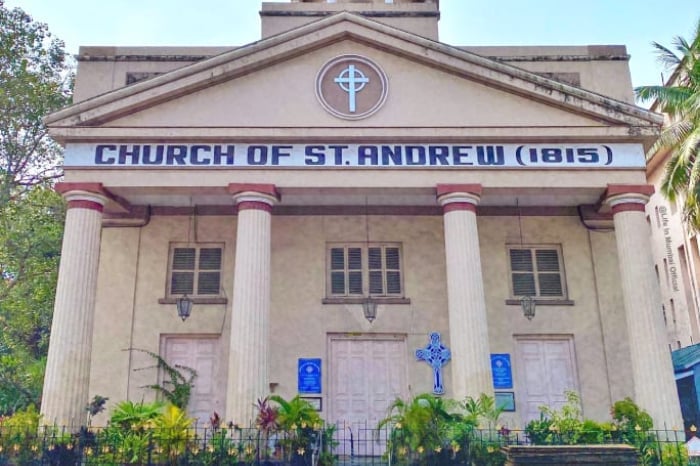
There is also a need for careful language in public discussion. The inquiry concerns alleged unauthorised conversion of a government building into a church and alleged misconduct by a municipal employee. It should not become an excuse to target ordinary Christians, nor should concerns raised by Hindu groups be dismissed without examination. A mature civic response must hold both principles together: no collective blame, and no administrative impunity.
For Solapur’s residents, the practical question is simple: can citizens trust that public property will remain public, that employment benefits will be lawfully claimed, and that municipal officials will act with neutrality? The answer depends on the quality of the probe. A credible inquiry will publish or formally record its findings, identify procedural failures, and recommend corrective action rather than merely calming the controversy temporarily.
The strongest outcome would be one that restores institutional confidence. If the building was misused, it should be returned to its authorised public purpose through lawful procedure. If officials failed in oversight, responsibility should be fixed. If reservation records were falsified, the appropriate legal and administrative process should follow. If some allegations are not proven, that too should be stated clearly.

Ultimately, this investigation is not only about one building in Bapuji Nagar. It is about the boundary between private faith and public authority, between social justice and fraudulent entitlement, and between communal suspicion and evidence-based governance. In a plural society, harmony is not preserved by silence over irregularities. It is preserved when rules are applied fairly, facts are examined honestly, and every community is assured that public institutions belong to all citizens.
Inspired by this post on Hindu Jagruti Samiti.










Leave a Reply
You must be logged in to post a comment.