Nakhayudha, sometimes rendered as nakhāyudha or nakhāstra, designates a singular category of divine weaponry in Hindu iconography: the nail or claw (nakha) as weapon (āyudha/āstra). Unlike forged arms crafted by artisans or celestial weapons ritually bestowed by deities, this is a natural, inherent instrument of protection and justice. In the visual and narrative traditions surrounding Lord Narasimha, the man-lion avatāra of Vishnu, nakhayudha stands as the emblem of a power that is immediate, unmanufactured, and unassailable.
In classical Hindu thought, weapons are often grouped as śastra (handheld) and astra (projectile, mantra-empowered). Nakhayudha eludes both categories by virtue of being embodied; it is neither forged metal nor hurled missile. This taxonomic anomaly is precisely the point in sacred art and scripture: dharma’s agency can arise without mediation by tools. The claws of Narasimha visualize that metaphysical axiom with uncompromising clarity.
The Puranic narrative centered on Hiranyakashipu’s boon famously enumerates constraints intended to render the asura invulnerableno death by man or beast, no death by day or night, no weapon, no killing inside or outside, neither on earth nor in the sky. Narasimha’s liminality unbinds each clause: a being who is neither only man nor only beast; twilight that is neither day nor night; a threshold that is neither inside nor outside; the lap that is neither ground nor sky; and, crucially, nakhayudhaclaws that are not a “weapon” in the conventional sense. Hindu sacred art encodes this juridical elegance in stone, bronze, and painted manuscripts, making the claws an unmistakable theological signature.
Beyond narrative logic, nakhayudha signals a doctrinal insight: protection (rakṣaṇa) and justice (dharma) can be both spontaneous and proportionate. The absence of a forged implement implies that the divine will does not require external instruments to act; agency inheres in being itself. This is why hymns and kavachas in the Vaishnava liturgy frequently address Narasimha with epithets such as “vajra-nakha” and “vajra-daṁṣṭra,” praising thunderbolt-like claws and fangs as manifestations of uncompromised resolve tempered by compassion for devotees.
Iconographically, the claws are never a casual detail. In ugra depictions (Ugra Narasimha, Jvala Narasimha), the fingertips curve forward with heightened articulation, their tips crisp and tapered so the gaze naturally follows them toward the act of protection or subjugation. In śānta forms (Lakshmi Narasimha), claws remain visible yet restrained, integrated with abhaya and varada mudrās that reassure rather than terrify. In Yoga Narasimha, where the deity is seated in yogic composure, the claws retain definition to index latent power, signaling disciplined kṣatra harmonized by tapas.
Shilpa-śāstra treatises and Vaishnava āgamas (e.g., Manasāra, Śilparatna, Vaikhānasa and Pāñcarātra traditions) provide a grammar for these forms: facial leonine features (kesara or mane) with raised hairlines, pronounced canines (daṁṣṭra), and carefully measured talon length proportional to the phalanges. The nakhāgra (claw-tip) is sculpted with an emphasis on sharpness balanced by anatomical plausibility. Prabhāmaṇḍala (aureole) and kīrtimukha frames often intensify the radiance of the hands, drawing attention to the claws as focal vectors of energy.
Multiple form-types organize the visual repertoire. Veera or Ugra Narasimha often shows the asura restrained across the deity’s thigh, the right hand’s claws emphasizing the decisive act while the other hands brandish attributes or gesture mudrās. In Lakshmi Narasimha, Śrī (Lakshmi) is seated upon the left thigh; the deity’s expression softens, yet the nails remain crisply delineated to assert watchful protection. Yoga Narasimha compresses outward ferocity into inner stillness, the claws symbolizing potentiality rather than immediate action. The Nava-Narasimha cluster worshiped at AhobilamAhobila, Jvala, Malola, Kroḍa, Karanja, Bhargava, Yogananda, Chatravata, and Pavanacollectively illustrates how nakhayudha is recontextualized from wrathful to benevolent registers without surrendering its semantic core.
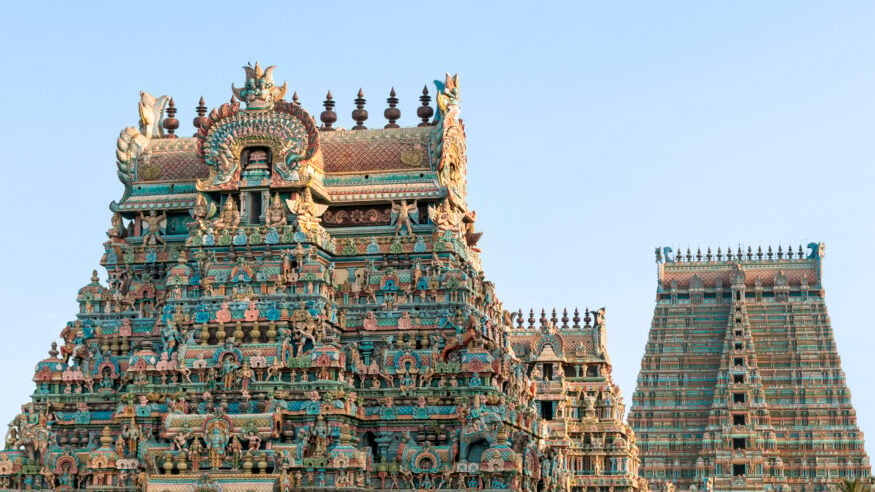
Regional schools give nakhayudha their own sculptural dialects. The Vijayanagara monolith at Hampi (popularly called Ugra Narasimha) exaggerates hand scale and finger articulation, so the claws command the viewer’s eye from a distance. In coastal Andhra, the Varaha Lakshmi Narasimha Temple at Simhachalam integrates the boar and man-lion motifs; the stylization of tusks and claws together refracts a layered message about natural, non-forged instruments of rescue. Tamil sites such as Padalathri Narasimhar Temple, Singaperumal Koil, present dynamic standing forms where the leonine physiognomy and claw definition align with Pallava-Chola lineages of high relief carving.
Hoysala ateliers at Belur and Halebidu translate nakhayudha into soapstone’s micro-detail. There, the nails taper with surgical precision, sometimes only a few millimeters long yet optically dominant because of strategic undercutting and shadow play. In mobile bronzes (utsava mūrtis), practical concerns of procession reduce talon length, but ciselé finishing and repoussé ornament along the fingers keep the semantic emphasis intact. Across mediagranite, chloritic schist, panchalohathe sculptural solution remains constant: the claws must read unmistakably as the instrument of divine jurisprudence.
Literary culture amplifies the visual message. Vaishnava hymnsNṛsiṁha kavachas and nakha-stutis within the broader bhakti corpusinvoke the claws as metaphors of enlightened discernment (viveka) that rends ignorance (avidyā). The trope is philosophically economical: just as nails separate and clarify by cutting, wisdom separates the real from the unreal (sat–asat viveka). Iconography and liturgy thus converge; the image teaches what the mantra sings.
Comparative iconology across the avatāra cycle further sharpens the point. Varāha’s tusks, like Narasimha’s claws, are natural extensions of form and functionorgans of rescue rather than artifacts of war. By contrast, Sudarśana Chakra and Kaumodakī Gadā are bestowed or held; they presuppose acquisition and technique. Nakhayudha belongs to the theological register of “sahaja-āyudha,” a weapon that is coextensive with being, reinforcing the idea that ultimate protection is innate to the divine nature.
Parallel motifs within the wider dharmic sphere support a unifying civilizational reading. The lion (siṁha) frames the Buddha’s “siṁhanāda” (lion’s roar) and the simhāsana (lion-throne) in Buddhist art; in Jainism, the lion is the emblem associated with Mahāvīra and an enduring marker of fearlessness; in the Sikh tradition, “Singh” (lion) encodes valor, while the kirpan expresses righteous protection. These cognate symbols illuminate a shared ethic: courage serves compassion, and power is ethically tethered to restraint. Read this way, nakhayudha becomes not a sectarian emblem of violence but a pan-dharmic meditation on protective strength grounded in dharma.
For pilgrims, museum-goers, and students of Hindu sculpture, the experiential register is striking. Standing before a Narasimha murtiwhether the intense drama of an ugra scene or the poised serenity of Yoga Narasimhaobservers often report a simultaneous quickening and calming. The eyes track the hands; the mind recognizes the paradox of a fearsome instrument made meaningful by the vow to protect devotees like Prahlāda. The emotional arc of the imageterror transmuted into refugemirrors the theological arc of the story.
From a technical viewpoint, several cues assist close looking. Note the proportional system (tāla) that fixes finger segment lengths; inspect how the sculptor differentiates claw from fingertip through a crisp arris; observe the choreography of hands relative to the prabhāmaṇḍala that funnels attention forward. Even where time has abraded details, surviving undercuts around the nails usually reveal the original intent: make the claws legible at multiple viewing distances, from ambulatory circumambulation to ritual darśan.
Ritually, alankāra (ornamentation) practices accentuate the hands with sandalwood paste, kumkuma, or gilding, visually reiterating their doctrinal weight. During Narasimha Jayanti and other Vaishnava festivals, stotras foreground rakṣaṇa, weaving together script, image, and chant into a unified aesthetic theology. The result is a living iconography: nakhayudha is not only observed; it is sung, touched, bathed, and remembered.
Historically, surviving Narasimha sculptures across South and Southeast Asiafrom Hampi and Ahobilam to Simhachalam and beyondchart the continuity and adaptability of this theme. Khmer and other Southeast Asian Vaishnava programs incorporated the man-lion with regional styles, confirming that the semiotics of the claw traveled well beyond the subcontinent while retaining core meaning.
Taken together, these strandsmythic logic, āgamic prescription, sculptural technique, liturgical poetry, and cross-dharmic symbolismexplain why nakhayudha has endured as a primary key to understanding Hindu iconography. It condenses metaphysics into anatomy, jurisprudence into gesture, and devotion into design. The sacred claws of Narasimha do not merely defeat a boon; they articulate, with crystalline economy, a civilizational ideal: strength serves truth, and truth protects all.
Inspired by this post on Hindu Blog.