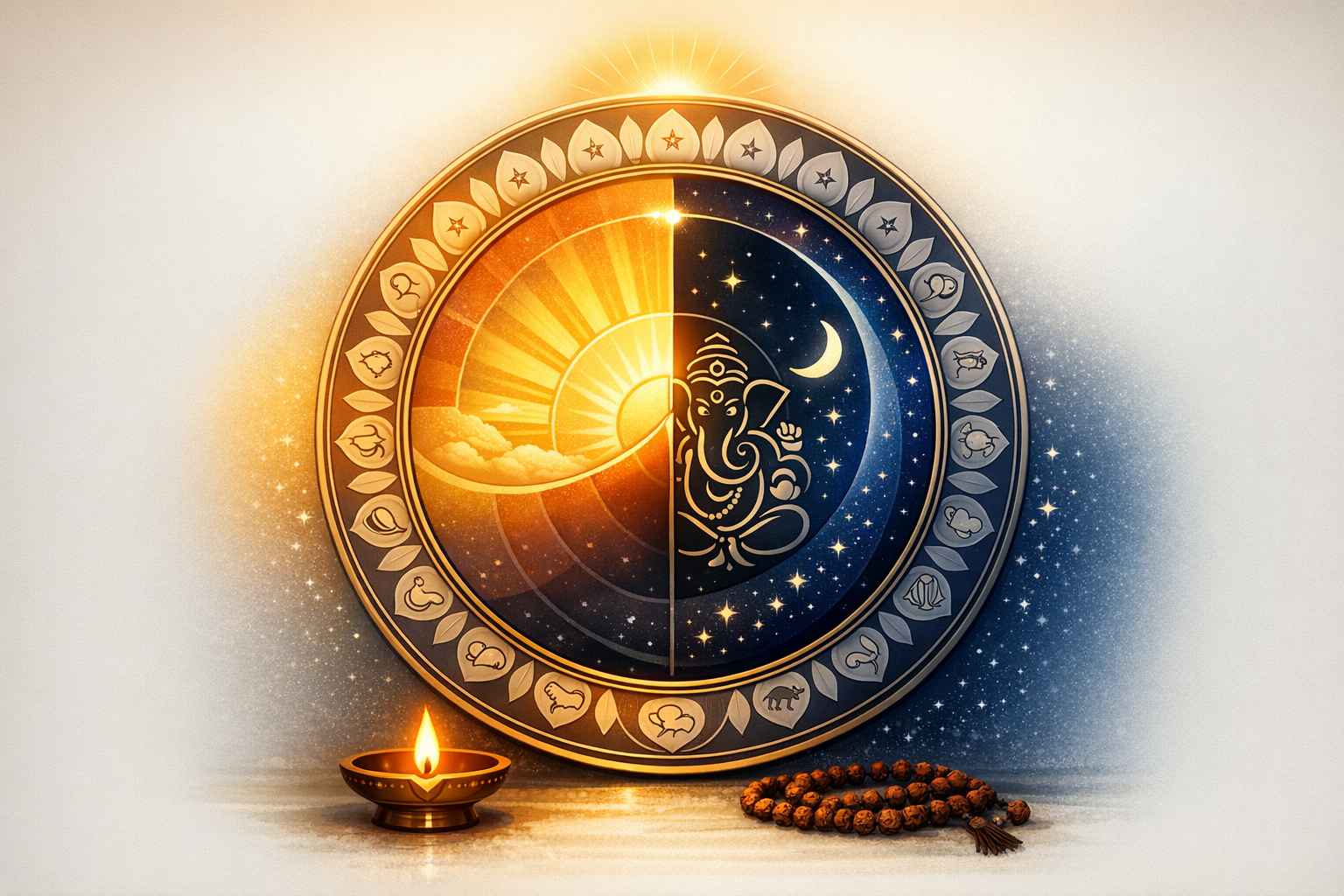
On Tuesday, May 19, 2026, the Hindu calendar (Panchang) notes Shukla Paksha Tritiya tithithe third lunar day in the waxing phaseprevailing until 6:19 PM in most regions. From that point onward, Shukla Paksha Chaturthi tithithe fourth lunar day of the waxing phasebegins. This transition shapes the devotional rhythm of the day and guides those seeking Shubh Muhurat for worship, study, and auspicious undertakings.
In technical terms, a tithi is determined by the longitudinal angular difference between the Moon and the Sun; each tithi spans 12 degrees. When the Moon–Sun elongation crosses successive 12° thresholds, the tithi changes. Because this motion is continuous and location-sensitive (sunrise/sunset and civil dates vary by place), a tithi can begin or end at any hour, explaining why Tritiya concludes at 6:19 PM (local time, most regions) on this date.
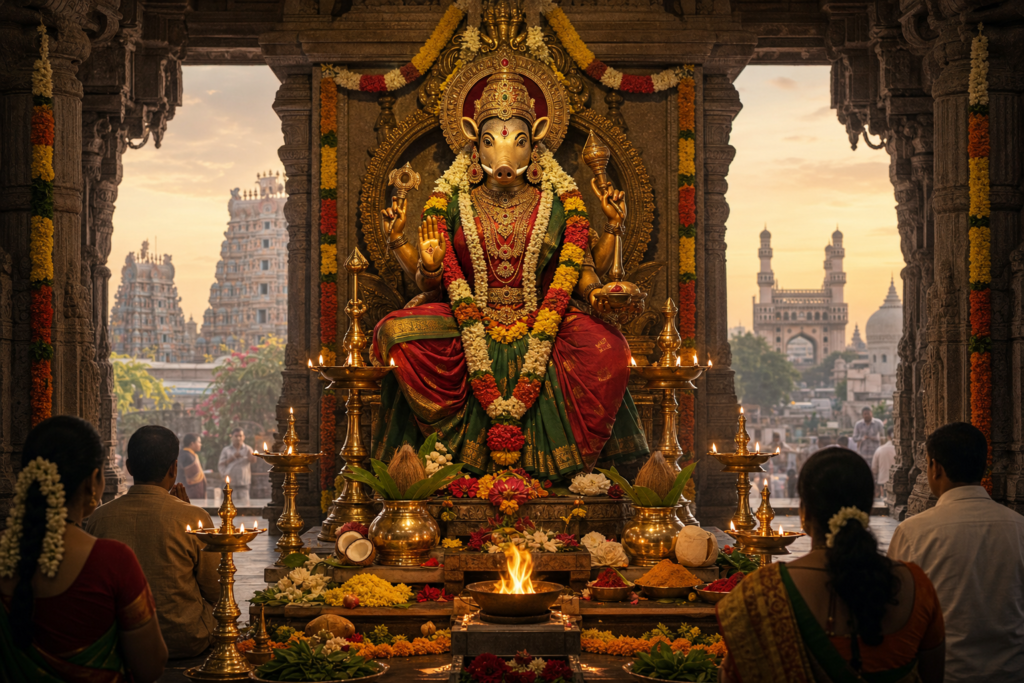
Shukla Paksha, the bright fortnight, is traditionally associated with growth, clarity, and upward momentum. Tritiya, the third day, carries a gentle auspiciousness suitable for learning, giving (dāna), and initiating tasks that benefit from steady, sustainable progress. In some regional traditions, particular Shukla Tritiya dates are linked with prosperity-oriented worship; observance always aligns with the local almanac and community guidance.
The shift to Chaturthi after 6:19 PM brings a complementary emphasis: Chaturthi is closely associated with Vighna-nāśaka Ganesha, the remover of obstacles. While many practitioners prefer to commence new ventures during Tritiya, the Chaturthi portion of the evening is often chosen for focused Ganesha worship (japa of “Om Gam Ganapataye Namah,” simple offerings, and quiet reflection), inviting clarity before moving ahead with plans on subsequent days.
Practical muhurta selection on May 19, 2026, can follow widely accepted Panchang frameworks. Abhijit Muhurtacentered on the local solar noonis often treated as universally empowering for short, purposeful acts (sankalpa, brief japa, or initiating study). For contemplative practice, Brahma Muhurtaroughly 1.5 to 2 hours before local sunriseis prized for meditation, pranayama, and scriptural recitation, as the mind is naturally quieter and more receptive then.
Equally important is the avoidance of inauspicious windows such as Rahu Kalam, Yamaganda, and Gulika Kalam for initiating new undertakings. These periods are computed by dividing daylight into eight equal parts and assigning weekday-specific segments to each dosha. On Tuesdays, Rahu Kalam typically occupies the seventh diurnal segment; Yamaganda and Gulika also fall into fixed segments by weekday. Because exact spans depend on local sunrise and day length, verification with a region-specific Panchang is recommended before scheduling.
While the headline guidance for the day is anchored in Tithi, Panchang assessment also considers Nakshatra (the Moon’s mansion) and the Moon’s Rashi (sign). Nakshatra divides the ecliptic into 27 equal arcs of 13°20′ each, and the Moon’s placement in a particular Nakshatra colors the day’s qualitative energy (vocation, travel, study, healing). Moon Rashione of 12 signsprovides an additional layer of mood and temperament for collective and personal activities. As Nakshatra and Rashi may shift at times that vary by location, checking a locale-specific Panchang ensures accuracy.
Two more Panchang elementsYoga and Karanacomplete the classical fivefold assessment (Vāra, Tithi, Nakshatra, Yoga, Karana). Yoga is computed from the sum of the Sun’s and Moon’s longitudes and is used to judge the day’s inherent harmony or friction. Karana (half-tithi segments) refines selection for starts and completions of tasks. Together, these parameters allow householders, students, and professionals to tune intentions to the day’s celestial cadence with greater precision.
As a weekday, Tuesday (Maṅgalavāra) is traditionally linked with Mars (Maṅgala), symbolizing initiative, discipline, and courage. Many find that routine responsibilities requiring focus and endurance progress well on Tuesdays. Balancing this vigor with the receptive quality of Shukla Paksha Tritiya encourages measured effort in the first part of the day, while the advent of Chaturthi in the evening favors introspection and Ganesha worship to remove inner and outer impediments.
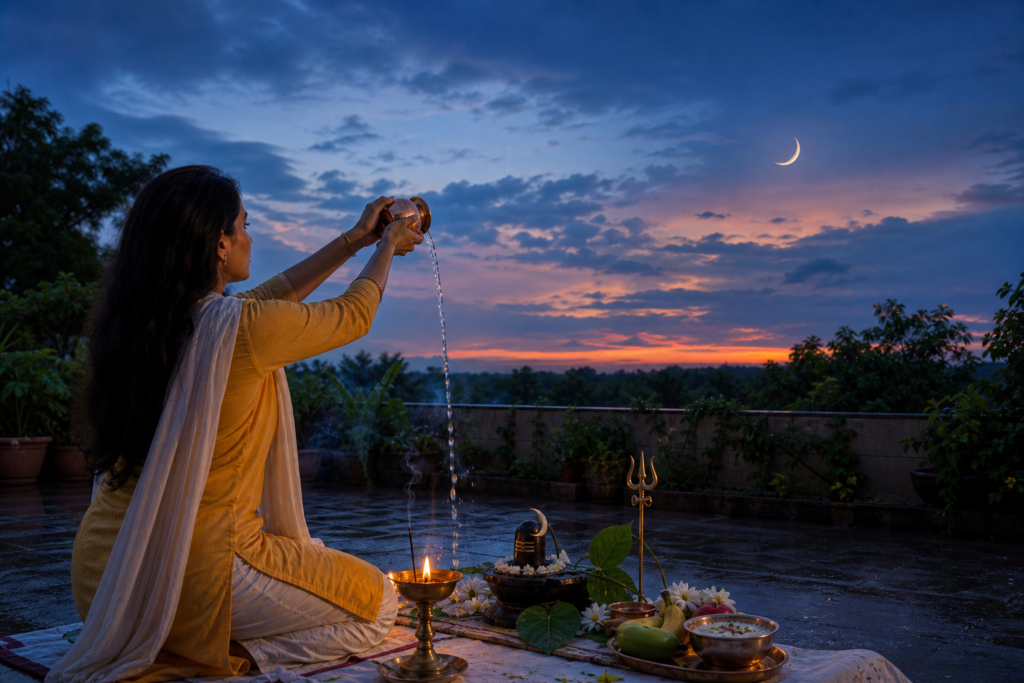
Householders often report that simple, consistent practices make the most difference on mixed-tithi days. Lighting a diya at sunrise or during the evening twilight (sandhyā), reciting a brief stotra, or offering a few moments of silent gratitude can stabilize attention and uplift mood. Many gently structure the day so that new commitments or purchases occur during the Tritiya portion, and then dedicate the Chaturthi portion after 6:19 PM to clearing overdue tasks, forgiving resentments, and renewing resolve through quiet japa and reflection.
Although the Panchang is rooted in the Hindu calendar, its lunar mindfulness resonates across Dharmic traditions. Buddhists have long observed Uposatha aligned to lunar phases; Jains coordinate vratas and community observances by tithi; many Sikh households, while following the Nanakshahi calendar for gurpurabs, also keep an eye on regional Panchang rhythms for family customs. This shared attentiveness to time as a moral and spiritual ally underscores a living unity in diversity across Hinduism, Buddhism, Jainism, and Sikhism.
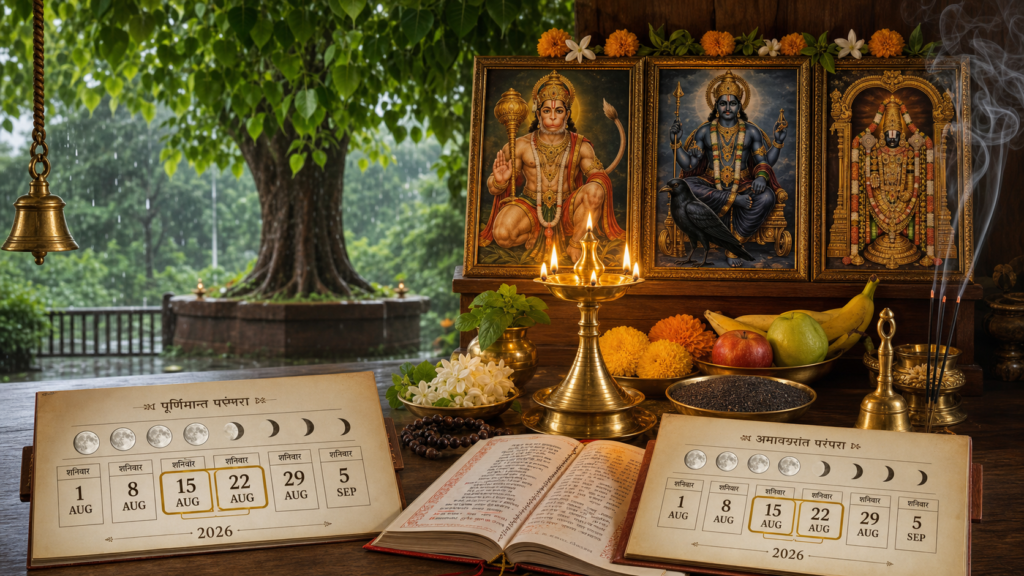
Regional variation remains intrinsic to Panchang practice. Differences such as Amānta versus Purnimānta month reckoning, local sunrise/sunset, and daylight saving adjustments can shift when a tithi is observed or when a specific muhurta is deemed active. The statement “in most regions” is therefore critical: May 19, 2026 holds Shukla Paksha Tritiya until 6:19 PM and Chaturthi thereafter for most places, yet exact boundaries for Nakshatra, Rashi, and dosha periods require a locality-specific almanac.
In summary, May 19, 2026 offers a clear two-part structure: use the Tritiya window (until 6:19 PM) for constructive starts, learning, and acts of generosity; greet the Chaturthi window (after 6:19 PM) with Ganesha-centered practice to remove obstacles and cultivate steadiness. Selecting Shubh Muhurat via Abhijit and early-morning practice, and steering clear of Rahu Kalam, Yamaganda, and Gulika, provides a sound, time-tested method. Approached this way, the day becomes both productive and reflectivean elegant balance at the heart of the Hindu calendar’s Panchang wisdom.
Inspired by this post on Hindu Blog.