An update circulated with the greeting “Hare Krsna dear devotees,” informs the global community that His Holiness Mukunda Goswami is at Gold Coast University Hospital (Queensland, Australia) and is scheduled today, Tuesday 24th March 2026, for a planned neurosurgical procedure to remove an accumulation of blood around the brain. This health update also notes that the case is not being classified as an emergency because, encouragingly, his overall condition remains stable.
This development has naturally drawn attention from the worldwide Hare Krishna (Hare Krsna) community and from well-wishers across allied dharmic traditions, reflecting the broad impact of his decades of service.
Many devotees recall encounters with his kirtan, lectures, and pastoral guidance, memories that now serve as sources of steadiness and empathy. Collective remembrance often provides a calm center of gravity during periods of clinical uncertainty.
In clinical terms, “blood around the brain” generally denotes an extra-axial intracranial collection that can exert mass effect on neural tissue. Management is guided by neurological examination and brain imagingmost commonly computed tomography (CT)with surgery considered when there is symptomatic progression, radiographic mass effect, or other findings indicating benefit from evacuation. The planned timing described is consistent with a situation in which the patient is stable enough for measured preparation while meeting criteria for timely intervention.
Standard surgical strategies include burr-hole evacuation with placement of a drain to facilitate continuous decompression, or, in select cases, a limited craniotomy to allow wider visualization and hemostasis. Perioperative priorities typically encompass precise blood pressure control, prudent management of any anticoagulation, maintenance of oxygenation and ventilation targets, and vigilant neuro-monitoring. Postoperative care commonly features interval imaging to confirm decompression, assessment for recurrence, and early mobilization with rehabilitative support as indicated.
The distinction between emergency and planned urgent surgery is operationally significant. Emergency designation signals rapidly evolving neurological compromise demanding immediate operative access; a planned urgent pathway indicates clinical stability sufficient to complete standardized preoperative checks and coordinate multidisciplinary teams, while proceeding without undue delay. The current description aligns with the latter, a cautiously reassuring clinical frame.
Gold Coast University Hospital functions as a major tertiary center with neurosurgical capability, intensive and acute care services, and coordinated postoperative pathways. Such settings are designed to optimize outcomes through integrated anesthesia, neurosurgery, nursing, and allied health expertise.
Outcomes after evacuation of extra-axial collections depend on age, comorbidities, neurological status at presentation, and intraoperative findings. Across published cohorts, timely surgery in clinically stable patients is associated with symptomatic relief and functional recovery, while acknowledging recognized risks including recurrence, infection, seizures, or reaccumulation. The non-emergent framing in this case therefore represents a positive prognostic indicator, albeit one that always warrants respectful caution.
Only limited clinical details are public at this time. Accordingly, further inferences about etiology, operative technique, or individualized risk are best left to the treating clinicians. Responsible information stewardshiprelying on verified updates and avoiding speculationsupports caregivers and allows the medical team to focus on safe, effective care.
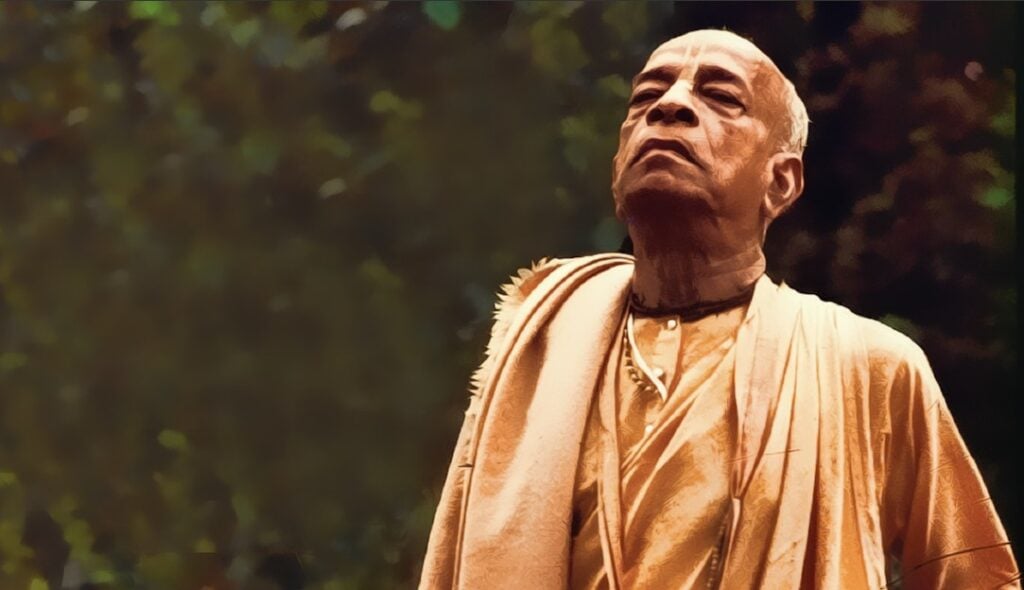
His Holiness Mukunda Goswami is widely recognized within ISKCON (International Society For Krishna Consciousness) for formative contributions to global outreach, devotional music, and communications, helping introduce bhakti practice to broader audiences. His leadership and mentorship have shaped communities across continents, making his wellbeing a matter of sincere concern for devotees and well-wishers worldwide.
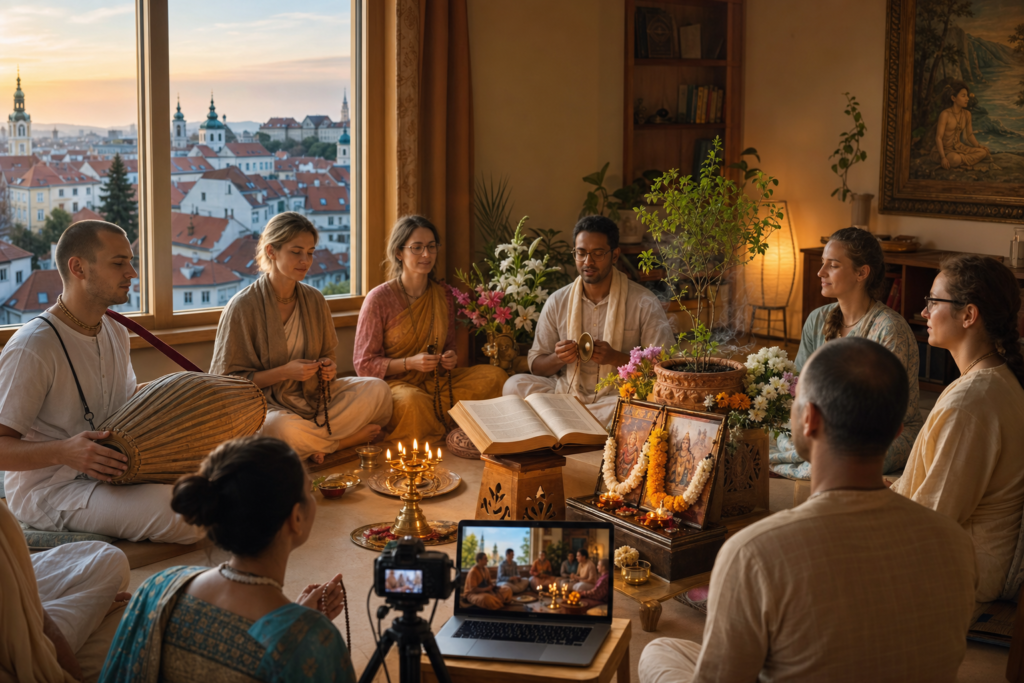
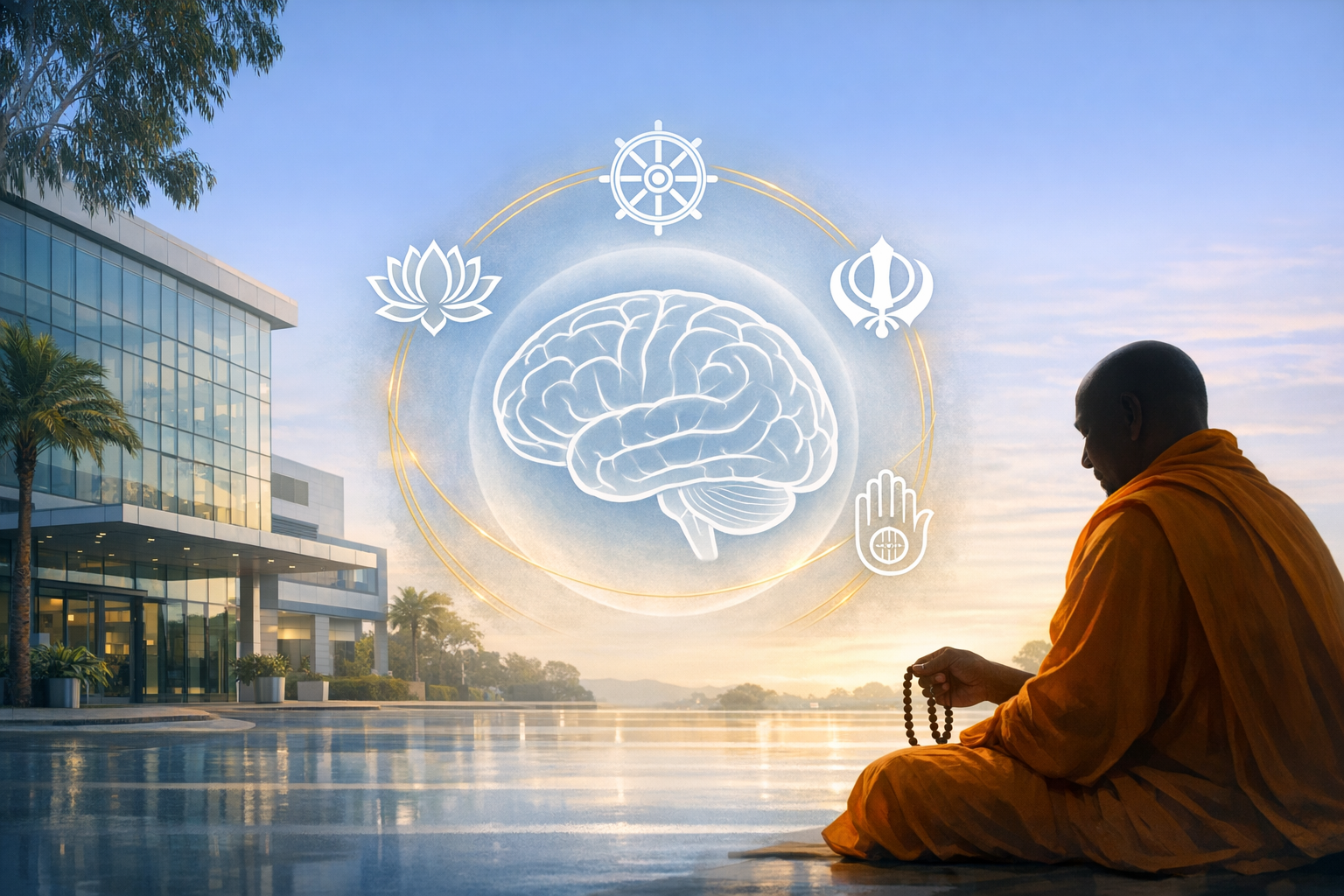
Moments of health challenge invite a shared ethic of compassion across dharmic paths. In Hindu settings, many quietly turn to japa and kirtan; in Buddhist traditions, metta practices cultivate loving-kindness; in Jain traditions, maitri-bhavana nurtures universal friendship; and in the Sikh tradition, Ardas focuses collective attention on courage, humility, and healing. Diverse disciplines thus converge on a common value: compassionate concern grounded in dignity and hope.
Without issuing any call to action, it is acknowledged that individuals and communities often choose to respond through reflective practice, ethical conduct (ahimsa), and seva for those in need. This inclusive, non-sectarian posture resonates with the aim of unity among Hindu, Buddhist, Jain, and Sikh traditionsaffirming that many paths can uphold care, restraint, and goodwill during a health challenge.
As of Tuesday 24th March 2026, the procedure is scheduled for the day. Subsequent clinical updateswhen shared by authorized caretakerswill clarify intraoperative findings and the immediate postoperative course. Until then, the original message’s emphasis remains salient: the situation is not an emergency, and overall status is reported as still well.
With measured optimism, the community remains attentive and composed, recognizing both the gravity and the careful planning that characterize this moment. Quiet solidarity, accurate information, and patient confidence in skilled clinical teams provide the most constructive accompaniment to expert medical care.
Inspired by this post on Dandavats.